What does Numbers 7:26 mean?
“One golden spoon of ten shekels, full of incense:” — Numbers 7:26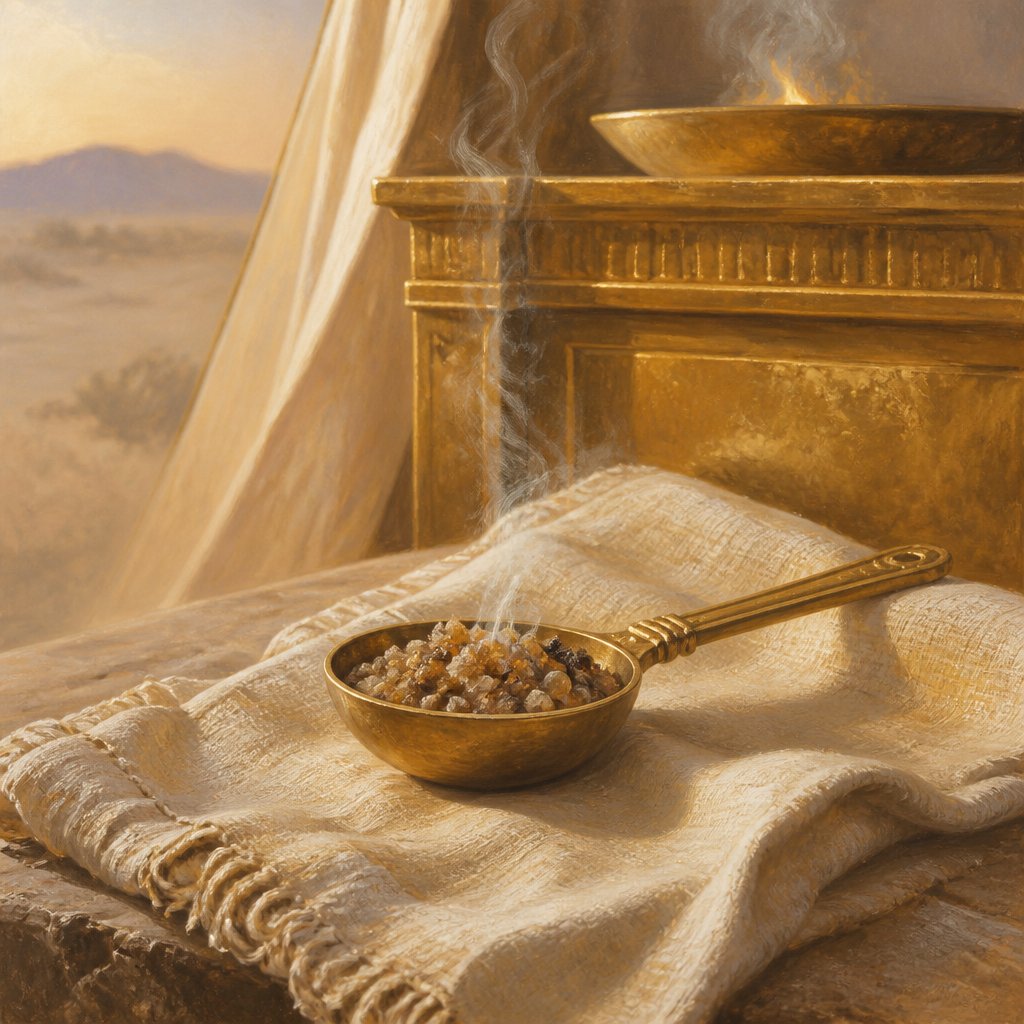
Numbers 7:26 in the King James Version of the Bible reads, “One golden spoon of ten shekels, full of incense.” This verse is one of many in the book of Numbers that describes the offerings that were to be made for the consecration of the Tabernacle and its furnishings. This particular verse refers to the offering made by the tribe of Naphtali.
In order to fully understand the significance of this verse, it is important to consider the context in which it is found. The book of Numbers is primarily concerned with the organization of the Israelite camp and the establishment of the priesthood. In this specific chapter, the leaders of each tribe are making offerings for the consecration of the altar. These offerings include a variety of items such as silver platters, bowls, and golden spoons, all of which are filled with fine flour, oil, and incense.
The offering described in Numbers 7:26 is a golden spoon filled with incense. Incense was an important part of the Israelite religious rituals, as its smoke was believed to carry prayers and offerings to God. The act of burning incense was a symbol of the people's desire for their prayers to be heard and their offerings to be accepted. In this verse, the use of a golden spoon to hold the incense symbolizes the preciousness of the offering and the reverence the people had for the act of worship.
The use of gold in this verse is also significant. Gold was considered a valuable and precious metal, often associated with royalty and divinity. By using a golden spoon for the incense, the Israelites were demonstrating their willingness to offer the very best of what they had to God. This act of sacrificial giving was an important aspect of their faith and was believed to bring them closer to God.
Furthermore, the specific weight of the spoon - ten shekels - is worth noting. In ancient times, shekels were a unit of weight used for transactions and offerings. The fact that the spoon was to hold ten shekels of incense indicates a specific and intentional measurement for this particular offering. This attention to detail underscores the importance of precision and care in the act of worship.
In a broader sense, the verse also speaks to the theme of communal worship and the role of each tribe within the larger community of Israel. Each tribe had its own unique offering to make, reflecting its individual identity and contribution to the whole. This emphasis on communal participation and shared responsibility highlights the unity and cooperation necessary for the people of Israel to fulfill their calling as a chosen nation.
Overall, Numbers 7:26 serves as a reminder of the Israelites' devoted worship and their desire to honor God with their best offerings. The use of the golden spoon, the value of the incense, and the precise measurement all convey the idea of sincere and heartfelt worship. The verse also underscores the importance of unity and shared purpose within the community of faith. These themes are central to the broader message of the book of Numbers and the biblical narrative as a whole.
Get our apps


Artwork for Numbers 7:26

Numbers 7:26 - "One golden spoon of ten shekels, full of incense:"
"One golden spoon of ten shekels, full of incense:" - Numbers 7:26
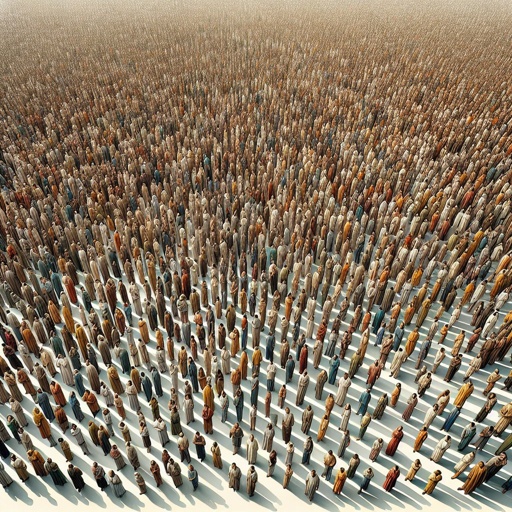
Numbers 26:7 - "These are the families of the Reubenites: and they that were numbered of them were forty and three thousand and seven hundred and thirty."
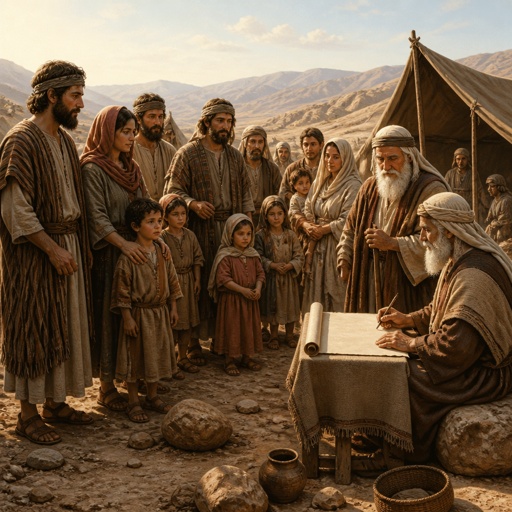
"These are the families of the Reubenites: and they that were numbered of them were forty and three thousand and seven hundred and thirty." - Numbers 26:7

Numbers 11:16-26

Numbers 26:8 - "And the sons of Pallu; Eliab."

Numbers 26:26 - "¶ Of the sons of Zebulun after their families: of Sered, the family of the Sardites: of Elon, the family of the Elonites: of Jahleel, the family of the Jahleelites."

Numbers 26:46 - "And the name of the daughter of Asher was Sarah."

Numbers 26:11 - "Notwithstanding the children of Korah died not."

Numbers 33:26 - "And they removed from Makheloth, and encamped at Tahath."

Israelites taking census in Numbers 26

Numbers 26:52 - "¶ And the LORD spake unto Moses, saying,"

Numbers 26:36 - "And these are the sons of Shuthelah: of Eran, the family of the Eranites."

Numbers 26:53 - "Unto these the land shall be divided for an inheritance according to the number of names."

Numbers 26:39 - "Of Shupham, the family of the Shuphamites: of Hupham, the family of the Huphamites."

Numbers 26:31 - "And of Asriel, the family of the Asrielites: and of Shechem, the family of the Shechemites:"

Numbers 26:6 - "Of Hezron, the family of the Hezronites: of Carmi, the family of the Carmites."

Numbers 26:49 - "Of Jezer, the family of the Jezerites: of Shillem, the family of the Shillemites."

Numbers 26:24 - "Of Jashub, the family of the Jashubites: of Shimron, the family of the Shimronites."

Numbers 26:17 - "Of Arod, the family of the Arodites: of Areli, the family of the Arelites."

Numbers 26:13 - "Of Zerah, the family of the Zarhites: of Shaul, the family of the Shaulites."

Numbers 26:32 - "And of Shemida, the family of the Shemidaites: and of Hepher, the family of the Hepherites."

Numbers 26:16 - "Of Ozni, the family of the Oznites: of Eri, the family of the Erites:"

Numbers 26:60 - "And unto Aaron was born Nadab, and Abihu, Eleazar, and Ithamar."

Numbers 26:14 - "These are the families of the Simeonites, twenty and two thousand and two hundred."

Numbers 26:28 - "¶ The sons of Joseph after their families were Manasseh and Ephraim."

Numbers 14:26 - "¶ And the LORD spake unto Moses and unto Aaron, saying,"

Numbers 34:26 - "And the prince of the tribe of the children of Issachar, Paltiel the son of Azzan."

"And the sons of Pallu; Eliab." - Numbers 26:8