What does Numbers 7:39 mean?
“One young bullock, one ram, one lamb of the first year, for a burnt offering:” — Numbers 7:39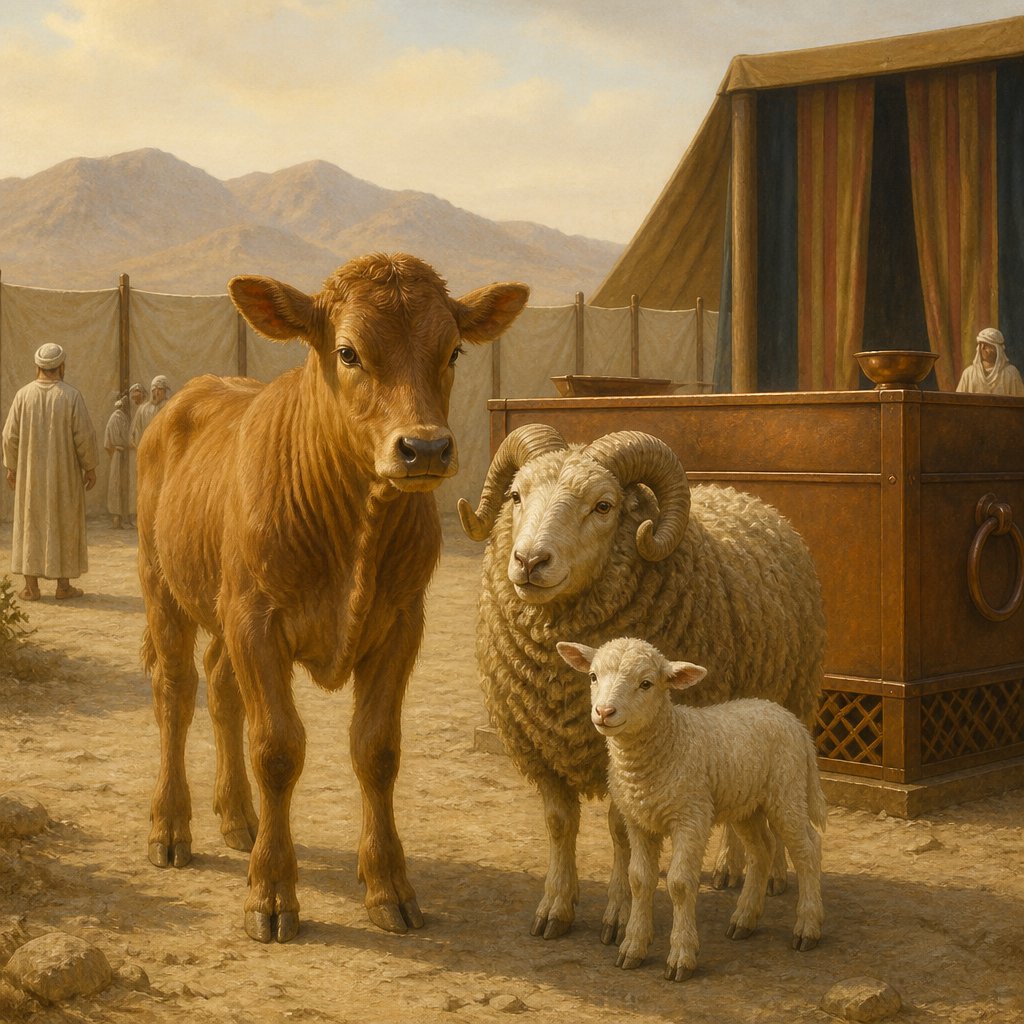
Numbers 7:39 (KJV) states, "One bull from the herd, one ram, one male lamb a year old, for a burnt offering." This verse is part of the detailed account of the offerings that the leaders of the twelve tribes of Israel brought to the tabernacle during its dedication. The context of this verse is important in understanding its significance within the larger narrative of the book of Numbers.
The book of Numbers is the fourth book of the Hebrew Bible and the Old Testament. It gives an account of the Israelites as they journey through the wilderness following their exodus from Egypt. The book is named "Numbers" because it begins with a census of the people, which was taken to prepare for their organization and to understand the size and strength of the fighting force. The book also includes laws and regulations for the community, as well as a narrative of their journey and experiences.
In Numbers 7, the leaders of the twelve tribes of Israel bring offerings to the tabernacle as part of its dedication. Each day, one leader brings his offering, which is the same for each tribe. The offerings include silver and gold items, as well as animals for sacrifices. The verse in question, Numbers 7:39, details the animals that were to be offered as burnt offerings: one bull from the herd, one ram, and one male lamb a year old.
The burnt offering was a type of sacrifice that was completely consumed by fire on the altar. It was a voluntary offering that symbolized complete submission and devotion to God. The burnt offering was seen as a sweet aroma to the Lord and was intended to atone for sin and express dedication to God. In this verse, the specific animals chosen for the burnt offering hold symbolic significance.
The bull was a symbol of strength, power, and leadership. In ancient Israelite culture, the bull was often associated with agricultural work and providing for the community. Thus, offering a bull as a burnt offering symbolized the submission of the leaders and the tribes' strength and power to God.
The ram, with its association with sacrifice and wisdom, symbolized humility, submission, and leadership. It was often used as a sacrificial animal in ancient Israelite rituals, and its inclusion in the burnt offering represents the leaders' willingness to humble themselves before God and seek His wisdom and guidance.
The male lamb, specifically one year old, was also a common sacrificial animal in ancient Israel. It symbolized innocence, purity, and obedience. The inclusion of the male lamb in the burnt offering emphasizes the leaders' desire to approach God with a pure heart and to be obedient to His commandments.
The offering of these specific animals as burnt offerings by the leaders of the tribes of Israel signifies their commitment to leading their people in obedience and submission to God. It also foreshadows the ultimate sacrifice of Jesus Christ, who is often referred to as the "Lamb of God" in the New Testament. This verse, therefore, serves as a precursor to the ultimate sacrifice of Jesus for the atonement of sin and the restoration of humanity's relationship with God.
Overall, Numbers 7:39, within the larger context of the book of Numbers, symbolizes the leaders' commitment to submit and dedicate themselves to God through the offering of specific animals as burnt offerings. The verse also echoes themes of strength, humility, purity, and obedience, which are central to the relationship between God and His people. Additionally, it sets the stage for the ultimate sacrifice of Jesus Christ as the Lamb of God, who would atone for the sins of humanity and bring restoration and reconciliation with God.
Get our apps


Artwork for Numbers 7:39

Numbers 7:39 - "One young bullock, one ram, one lamb of the first year, for a burnt offering:"
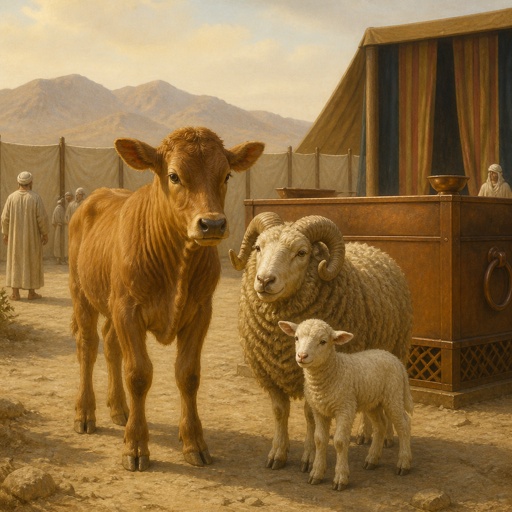
"One young bullock, one ram, one lamb of the first year, for a burnt offering:" - Numbers 7:39

Numbers 26:39 - "Of Shupham, the family of the Shuphamites: of Hupham, the family of the Huphamites."

John 7:37-39

John 7:37-39

Numbers 22:39 - "And Balaam went with Balak, and they came unto Kirjath-huzoth."

Scene from book of numbers 14:39-45

Numbers 32:39 - "And the children of Machir the son of Manasseh went to Gilead, and took it, and dispossessed the Amorite which was in it."

Numbers 14:39 - "And Moses told these sayings unto all the children of Israel: and the people mourned greatly."

Numbers 1:39 - "Those that were numbered of them, even of the tribe of Dan, were threescore and two thousand and seven hundred."

Numbers 31:39 - "And the asses were thirty thousand and five hundred; of which the LORD'S tribute was threescore and one."

Numbers 33:39 - "And Aaron was an hundred and twenty and three years old when he died in mount Hor."

1 Chronicles 7:39 - "And the sons of Ulla; Arah, and Haniel, and Rezia."

"Of Shupham, the family of the Shuphamites: of Hupham, the family of the Huphamites." - Numbers 26:39

Psalms 39:7 - "And now, Lord, what wait I for? my hope is in thee."

Numbers 16:39 - "And Eleazar the priest took the brasen censers, wherewith they that were burnt had offered; and they were made broad plates for a covering of the altar:"

"And Balaam went with Balak, and they came unto Kirjath-huzoth." - Numbers 22:39

Nehemiah 7:39 - "¶ The priests: the children of Jedaiah, of the house of Jeshua, nine hundred seventy and three."

Job 39:7 - "He scorneth the multitude of the city, neither regardeth he the crying of the driver."

Numbers 4:39 - "From thirty years old and upward even unto fifty years old, every one that entereth into the service, for the work in the tabernacle of the congregation,"

Numbers 3:39 - "All that were numbered of the Levites, which Moses and Aaron numbered at the commandment of the LORD, throughout their families, all the males from a month old and upward, were twenty and two thousand."

Jeremiah 39:7 - "Moreover he put out Zedekiah's eyes, and bound him with chains, to carry him to Babylon."

Exodus 39:7 - "And he put them on the shoulders of the ephod, that they should be stones for a memorial to the children of Israel; as the LORD commanded Moses."

Acts 7:39 - "To whom our fathers would not obey, but thrust him from them, and in their hearts turned back again into Egypt,"

"And the children of Machir the son of Manasseh went to Gilead, and took it, and dispossessed the Amorite which was in it." - Numbers 32:39
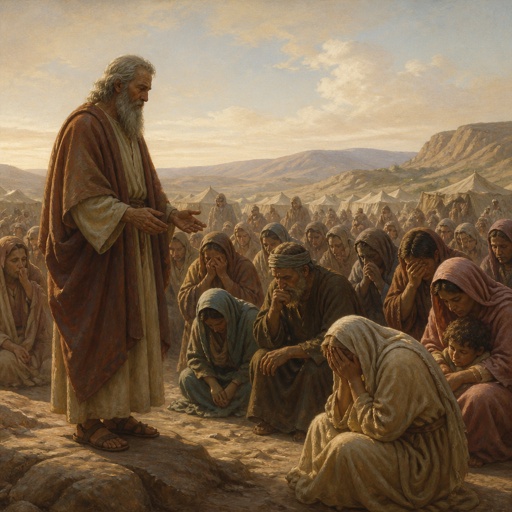
"And Moses told these sayings unto all the children of Israel: and the people mourned greatly." - Numbers 14:39

"And the sons of Ulla; Arah, and Haniel, and Rezia." - 1 Chronicles 7:39

Numbers 29:7

Numbers 4:7
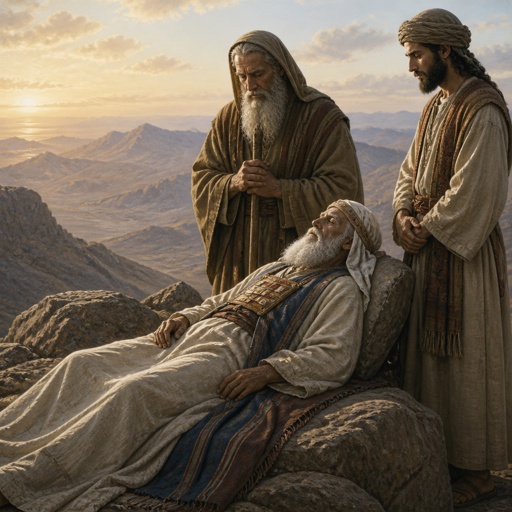
"And Aaron was an hundred and twenty and three years old when he died in mount Hor." - Numbers 33:39