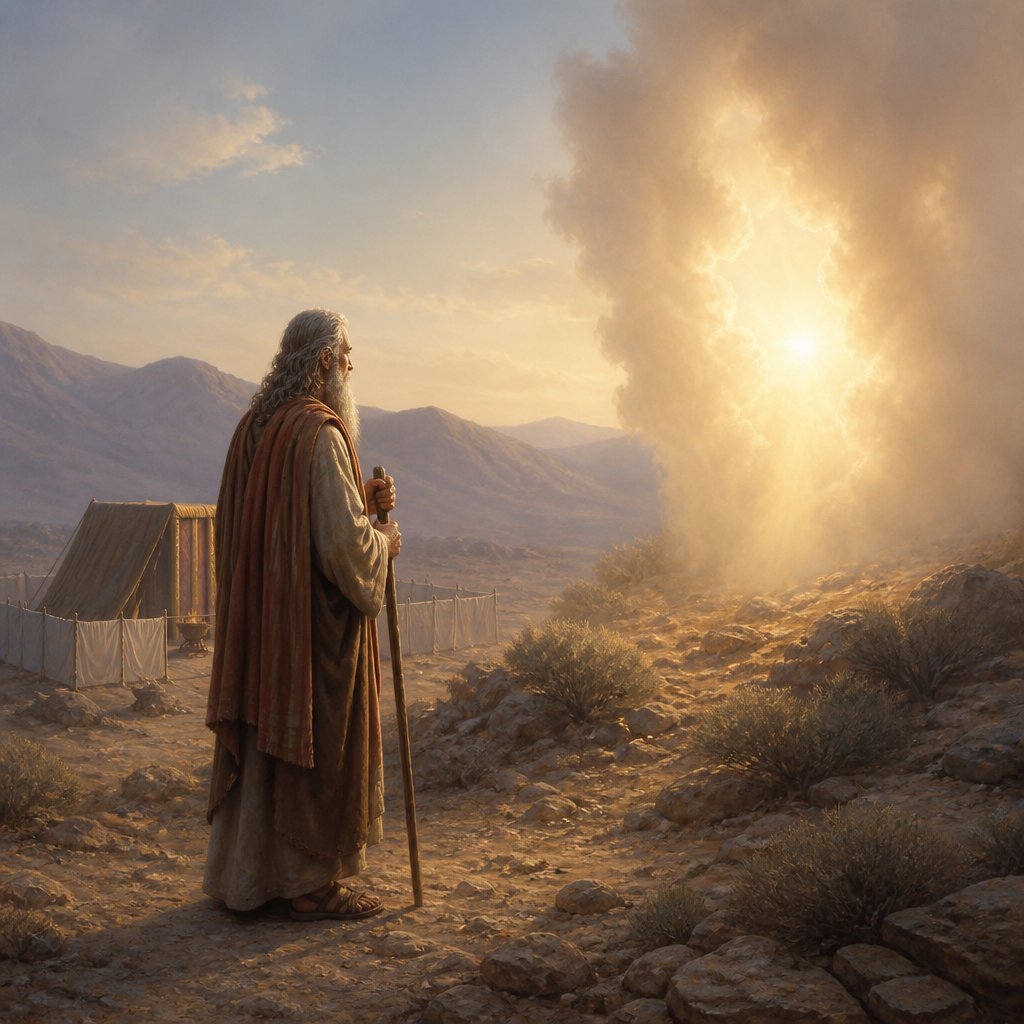
Numbers 8:5 (KJV) states: "And the Lord spake unto Moses, saying,"
This seemingly simple verse holds profound meaning within the broader context of the Bible. To truly understand the significance of this verse, we must first examine the themes, context, and symbolism found within the book of Numbers as a whole.
The book of Numbers is the fourth book of the Bible and is often thought of as a continuation of the story found in the book of Exodus. It details the Israelites' journey through the wilderness after their exodus from Egypt. This period of wandering is a time of testing, challenges, and growth for the Israelites as they learn to trust and depend on God for their survival and guidance.
The overarching theme of the book of Numbers is the idea of faith and obedience. The Israelites are constantly tested in their faith and their willingness to obey God's commands. This theme is especially prominent in the chapters leading up to Numbers 8:5, as the Israelites are instructed to consecrate and prepare themselves for service to the Lord.
In the immediate context of Numbers 8:5, we find the Lord speaking to Moses about the cleansing and dedication of the Levites for their service in the tabernacle. The Levites were chosen by God to serve as priests and caretakers of the tabernacle, and their consecration was of utmost importance. This process involved rites of purification, dedication, and ordination, symbolizing their commitment to serve the Lord in a holy and set-apart manner.
Now, let us delve into the symbolism and deeper meaning of Numbers 8:5. The fact that the Lord is speaking directly to Moses is significant in itself. Throughout the Bible, communication between God and humanity is a central theme, and the role of prophets like Moses is crucial in conveying divine messages to the people. The Lord's direct address to Moses emphasizes the importance and authority of the message being delivered.
Furthermore, the act of the Lord speaking represents divine revelation and guidance. This demonstrates the Lord's continual involvement in the lives of his people, providing them with the wisdom and direction they need to fulfill their purpose. It also reinforces the idea that the Israelites are not alone in their journey but are continuously being led by the Lord.
In a broader theological context, Numbers 8:5 can be seen as a reminder of the importance of spiritual consecration and dedication. Just as the Levites were called to be set apart for sacred service, believers are called to consecrate themselves to God, offering their lives as living sacrifices for his glory. This verse serves as a call to all Christians to continuously seek the presence of the Lord and to be open to receiving his guidance and direction in their lives.
In conclusion, Numbers 8:5 holds rich theological meaning within the broader context of the book of Numbers and the Bible as a whole. It symbolizes the ongoing communication between God and humanity, the significance of spiritual consecration, and the Lord's guidance and involvement in the lives of his people. As believers, we are called to heed the words spoken by the Lord and to dedicate ourselves to serving him with faith and obedience. This verse serves as a timeless reminder of the unwavering presence and guidance of the Lord in the lives of his people.
Get our apps


Artwork for Numbers 8:5

Numbers 8:5 - "¶ And the LORD spake unto Moses, saying,"

"¶ And the LORD spake unto Moses, saying," - Numbers 8:5

"Create a detailed and artistic mosaic image that depicts various scenes from the biblical book of Numbers (Bamidbar) chapters 8:1 to 12:1. The image should be divided into sections, each representing different events within these chapters, in a style that reflects traditional Jewish art and avoids Christian or Catholic imagery. Numbers 8:1-4: Show the lighting of the Menorah in the Tabernacle (Mishkan). Aaron, the High Priest, should be lighting the Menorah. Ensure that the seven-branched Menorah is prominently displayed. Numbers 8:5-26: Depict the consecration of the Levites (Leviím). Show the Levites being presented before the Tent of Meeting, having their heads shaved and being sprinkled with purifying water. Include elements such as offerings and the elders of Israel laying their hands on the Levites. Numbers 9:1-14: Illustrate the Israelites observing the Passover (Pesach) in the wilderness. Show families gathered around the Passover meal, with symbols of matzah and lamb. Also, include the people who were impure because of contact with a dead body and how they are consulting Moses about observing the Passover later. Numbers 9:15-23: Display the cloud covering the Tabernacle by day and the appearance of fire by night. Show the Israelites encamped around the Tabernacle, with their tents in the background, and the divine cloud and fire above. Numbers 10:1-10: Illustrate the making and use of the silver trumpets (chatzotzrot). Show the priests blowing the trumpets to signal the Israelites' movements and gather the assembly. Numbers 10:11-36: Depict the Israelites setting out from the wilderness of Sinai, following the cloud of the Lord. Show the ark of the covenant being carried by the Levites, leading the people. Numbers 11:1-35: Portray the incidents of the people's complaints and God's provision of quail. Include scenes of the people gathering quail and a representation of the fire that consumed some of the camp due to their complaints. Show Moses speaking to God, but ensure Moses' face is not visible. Numbers 12:1: Show the scene where Miriam and Aaron speak against Moses because of the Cushite woman he had married. Depict Miriam and Aaron in discussion, but do not show Moses' face. The entire mosaic should be harmonious and cohesive, with no individual faces of Moses visible and no words or numbers in the artwork. The style should reflect traditional Jewish artistic sensibilities and avoid any Christian or Catholic symbols."

"Create a detailed and artistic mosaic image that depicts various scenes from the biblical book of Numbers (Bamidbar) chapters 8:1 to 12:1. The image should be divided into sections, each representing different events within these chapters, in a style that reflects traditional Jewish art and avoids Christian or Catholic imagery. Numbers 8:1-4: Show the lighting of the Menorah in the Tabernacle (Mishkan). Aaron, the High Priest, should be lighting the Menorah. Ensure that the seven-branched Menorah is prominently displayed. Numbers 8:5-26: Depict the consecration of the Levites (Leviím). Show the Levites being presented before the Tent of Meeting, having their heads shaved and being sprinkled with purifying water. Include elements such as offerings and the elders of Israel laying their hands on the Levites. Numbers 9:1-14: Illustrate the Israelites observing the Passover (Pesach) in the wilderness. Show families gathered around the Passover meal, with symbols of matzah and lamb. Also, include the people who were impure because of contact with a dead body and how they are consulting Moses about observing the Passover later. Numbers 9:15-23: Display the cloud covering the Tabernacle by day and the appearance of fire by night. Show the Israelites encamped around the Tabernacle, with their tents in the background, and the divine cloud and fire above. Numbers 10:1-10: Illustrate the making and use of the silver trumpets (chatzotzrot). Show the priests blowing the trumpets to signal the Israelites' movements and gather the assembly. Numbers 10:11-36: Depict the Israelites setting out from the wilderness of Sinai, following the cloud of the Lord. Show the ark of the covenant being carried by the Levites, leading the people. Numbers 11:1-35: Portray the incidents of the people's complaints and God's provision of quail. Include scenes of the people gathering quail and a representation of the fire that consumed some of the camp due to their complaints. Show Moses speaking to God, but ensure Moses' face is not visible. Numbers 12:1: Show the scene where Miriam and Aaron speak against Moses because of the Cushite woman he had married. Depict Miriam and Aaron in discussion, but do not show Moses' face. The entire mosaic should be harmonious and cohesive, with no individual faces of Moses visible and no words or numbers in the artwork. The style should reflect traditional Jewish artistic sensibilities and avoid any Christian or Catholic symbols."

Numbers 5:8 - "But if the man have no kinsman to recompense the trespass unto, let the trespass be recompensed unto the LORD, even to the priest; beside the ram of the atonement, whereby an atonement shall be made for him."

Numbers 5:5 - "¶ And the LORD spake unto Moses, saying,"

Numbers 14:8

Numbers 14:8

numbers 25:8

numbers 25:8

Numbers 14:8

Numbers 4:8

Numbers 11:5

Numbers 26:8 - "And the sons of Pallu; Eliab."

"For ye were sometimes darkness, but now are ye light in the Lord: walk as children of light:" - Ephesians 5:8

Numbers 4:7-8

Numbers 1:8 - "Of Issachar; Nethaneel the son of Zuar."

Numbers 13:8 - "Of the tribe of Ephraim, Oshea the son of Nun."

"¶ And the LORD spake unto Moses, saying," - Numbers 5:5

Numbers 8:1 - "And the LORD spake unto Moses, saying,"

Numbers 8:23 - "¶ And the LORD spake unto Moses, saying,"

Numbers 13:5 - "Of the tribe of Simeon, Shaphat the son of Hori."

Numbers 5:1 - "And the LORD spake unto Moses, saying,"

Numbers 3:5 - "¶ And the LORD spake unto Moses, saying,"

Numbers 27:5 - "And Moses brought their cause before the LORD."

Numbers 5:11 - "¶ And the LORD spake unto Moses, saying,"

Luke 8:5-8

"And the sons of Pallu; Eliab." - Numbers 26:8

Numbers 33:5 - "And the children of Israel removed from Rameses, and pitched in Succoth."

Numbers 6:8 - "All the days of his separation he is holy unto the LORD."