What does Philippians 3:20-21 mean?
“For our conversation is in heaven; from whence also we look for the Saviour, the Lord Jesus Christ: Who shall change our vile body, that it may be fashioned like unto his glorious body, according to the working whereby he is able even to subdue all things unto himself.” — Philippians 3:20-21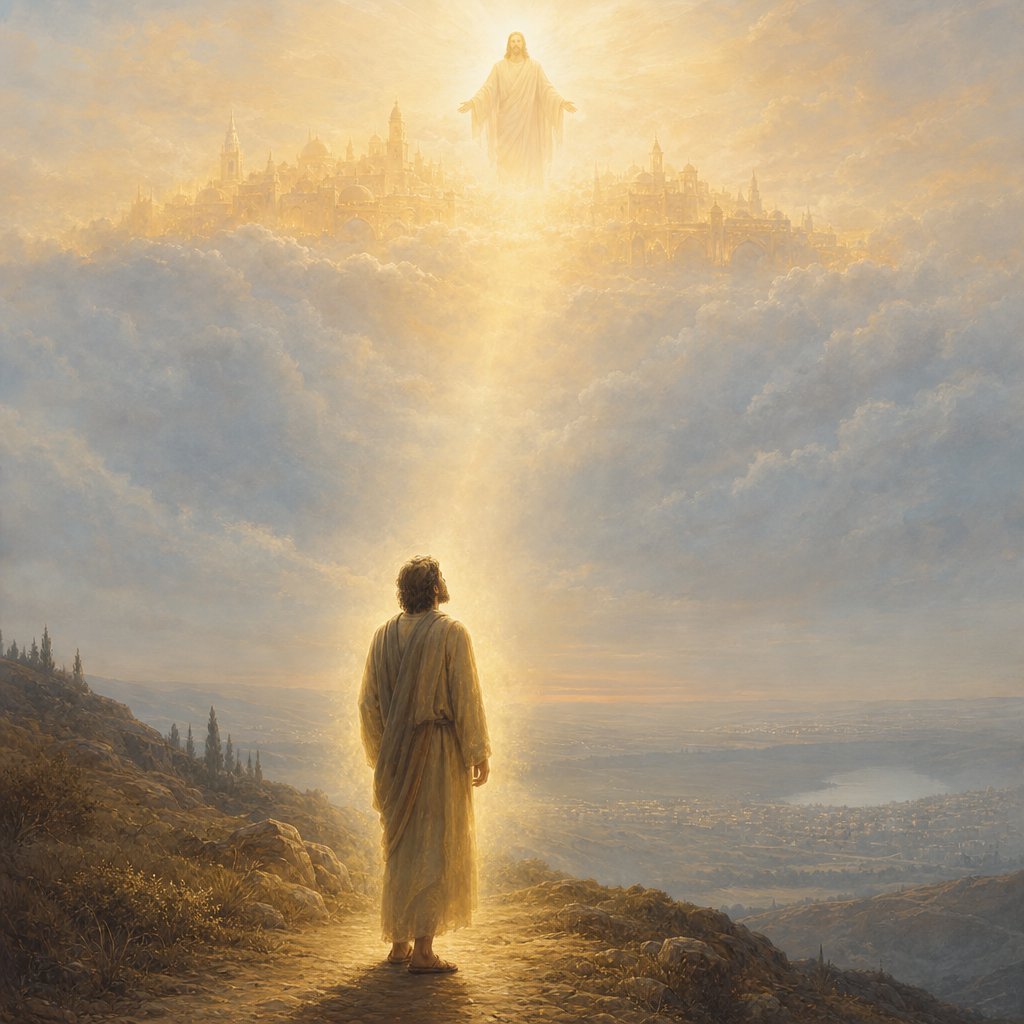
Philippians 3:20–21 stands near the end of a chapter where Paul is urging the Philippian believers to resist the pull of a life defined by earthly status, earthly appetites, and earthly pride, and to keep pressing toward Christ as their only true righteousness and hope. In the verses just before, he contrasts two ways of living: there are those who “mind earthly things,” whose “end is destruction,” whose “god is their belly,” and whose “glory is in their shame” (Philippians 3:19, KJV). Against that dark portrait, Paul places the church’s true identity and future in Christ, and he does it with language that lifts the reader’s eyes from the visible present to the promised coming of the Lord.
“For our conversation is in heaven” (Philippians 3:20, KJV) does not mean merely that Christians should speak religiously, but that their whole manner of life, their conduct, their belonging and allegiance, are anchored in heaven. The word “conversation” in the KJV carries the sense of one’s way of life and citizenship, and Paul is writing to a Roman colony where citizenship mattered. Philippi, populated with those proud of Roman status, would immediately feel the force of the comparison: believers have a higher commonwealth, a truer homeland, and their loyalties cannot be reduced to the values of the surrounding world. This heavenly “conversation” is not escapism, but a declaration of identity; it is to live on earth as people who already belong to another kingdom.
He then adds, “from whence also we look for the Saviour, the Lord Jesus Christ” (Philippians 3:20, KJV). Heaven is not only where the believer’s citizenship is; it is also the direction of the believer’s hope. To “look for” the Saviour is to live in expectation, to wait with watchfulness for the return of the reigning Christ. Calling Him “the Saviour” highlights deliverance—not merely from guilt in the past, but from the full reach of sin and decay that still marks the present. Calling Him “the Lord Jesus Christ” gathers up His authority and His identity: the One who saves is not a distant helper but the sovereign Lord, the anointed Messiah, Jesus Himself. The verse makes waiting an act of faith. Christians are not simply enduring time; they are oriented toward a coming Person.
Paul then explains what the Saviour will do when He comes: “Who shall change our vile body, that it may be fashioned like unto his glorious body” (Philippians 3:21, KJV). The phrase “vile body” speaks to the body as it exists under weakness, corruption, mortality, and humiliation in a fallen world. It is not saying the body is worthless as God’s creation, but that it is presently marked by decay and frailty and subject to death. In contrast, Christ’s “glorious body” points to His resurrected state, the body in which He rose, conquered death, and entered glory. The promise is not that believers will become bodiless spirits, but that their bodies will be transformed, refashioned, made like His—still truly bodily, yet no longer subject to corruption. The imagery is deeply personal and deeply hopeful: redemption reaches all the way to what is most vulnerable and mortal in human life, and it ends not in mere survival but in likeness to the risen Christ.
This transformation is not presented as a vague spiritual metaphor; it is grounded in Christ’s power and rule: “according to the working whereby he is able even to subdue all things unto himself” (Philippians 3:21, KJV). The same “working” that will change the believer’s body is the working by which Christ subdues “all things” to Himself. The verse ties personal resurrection hope to cosmic lordship. Jesus does not renovate the believer’s future by borrowed strength; He does it by His own sovereign ability, the authority that brings every opposing power into submission. In that light, the believer’s coming transformation is not wishful thinking but a consequence of Christ’s reigning capability. If He can subdue all things, He can certainly raise and refashion His people.
Taken together, Philippians 3:20–21 sets out a tightly woven set of themes: identity, allegiance, hope, and transformation. It calls the church to live now as citizens of heaven in the midst of a world that can easily become the believer’s horizon. It interprets the Christian life as a waiting that is active and directed, “looking for the Saviour.” It frames the body’s present weakness as temporary and meaningful, not ultimate, because it will be changed. And it anchors every promise in the person and power of Christ, whose resurrection glory becomes the pattern for His people and whose sovereign working makes the promise certain. In the flow of the chapter, these verses are the bright conclusion to Paul’s warning about “earthly things”: the answer to minds fixed on earth is not merely better discipline, but a higher citizenship and a coming King whose return will complete what He began, until even the believer’s mortal body is fashioned like His glorious body.
Get our apps


Artwork for Philippians 3:20-21

Philippians 3:20-21 - "For our citizenship is in heaven, from which we also eagerly wait for the Savior, the Lord Jesus Christ, who will transform our lowly body that it may be conformed to His glorious body, according to the working by which He is able even to subdue all things to Himself."
"For our citizenship is in heaven, from which we also eagerly wait for the Savior, the Lord Jesus Christ, who will transform our lowly body that it may be conformed to His glorious body, according to the working by which He is able even to subdue all things to Himself." - Philippians 3:20-21

Philippians 3:15-21 mature spirituality

Job 3:20-21 - "Job 3:20-21: Why is light given to those in misery, and life to the bitter of soul, to those who long for death that does not come, who search for it more than for hidden treasure?"

Philippians 3:20 - "For our conversation is in heaven; from whence also we look for the Saviour, the Lord Jesus Christ:"

Philippians 1:20-21 - "I eagerly expect and hope that I will in no way be ashamed, but will have sufficient courage so that now as always Christ will be exalted in my body, whether by life or by death. For to me, to live is Christ and to die is gain."

Philippians 4:14-20

Philippians 4: 10-20

Philippians 1:19-21

Philippians 1:19-21

"Job 3:20-21: Why is light given to those in misery, and life to the bitter of soul, to those who long for death that does not come, who search for it more than for hidden treasure?" - Job 3:20-21

Colossians 3:20-21 - "Children, obey your parents in everything, for this pleases the Lord. Fathers, do not embitter your children, or they will become discouraged."

Philippians 3:21 - "Who shall change our vile body, that it may be fashioned like unto his glorious body, according to the working whereby he is able even to subdue all things unto himself."

Philippians 1:19-21

Philippians 4:14-20

Philippians 4:14-20

Philippians 4:14-20

Philippians (1:21) For to me, living is Christ and dying is gain.

Philippians 1:21 - "For to me to live is Christ, and to die is gain."

Philippians 1:3
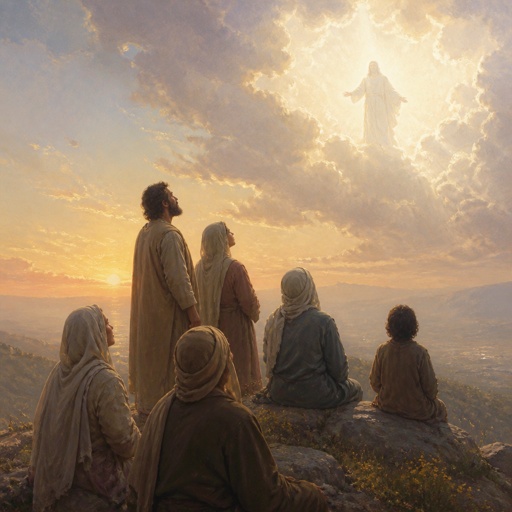
"For our conversation is in heaven; from whence also we look for the Saviour, the Lord Jesus Christ:" - Philippians 3:20

pHILIPPIANS 3:10

Philippians 3:8

Philippians 2:3

Philippians 2:3

Philippians 3:2

Philippians 3:14

Philippians 2:3

Philippians 3:14

Philippians 2:21 - "For all seek their own, not the things which are Jesus Christ's."