What does Proverbs 10:22 mean?
“The blessing of the LORD, it maketh rich, and he addeth no sorrow with it.” — Proverbs 10:22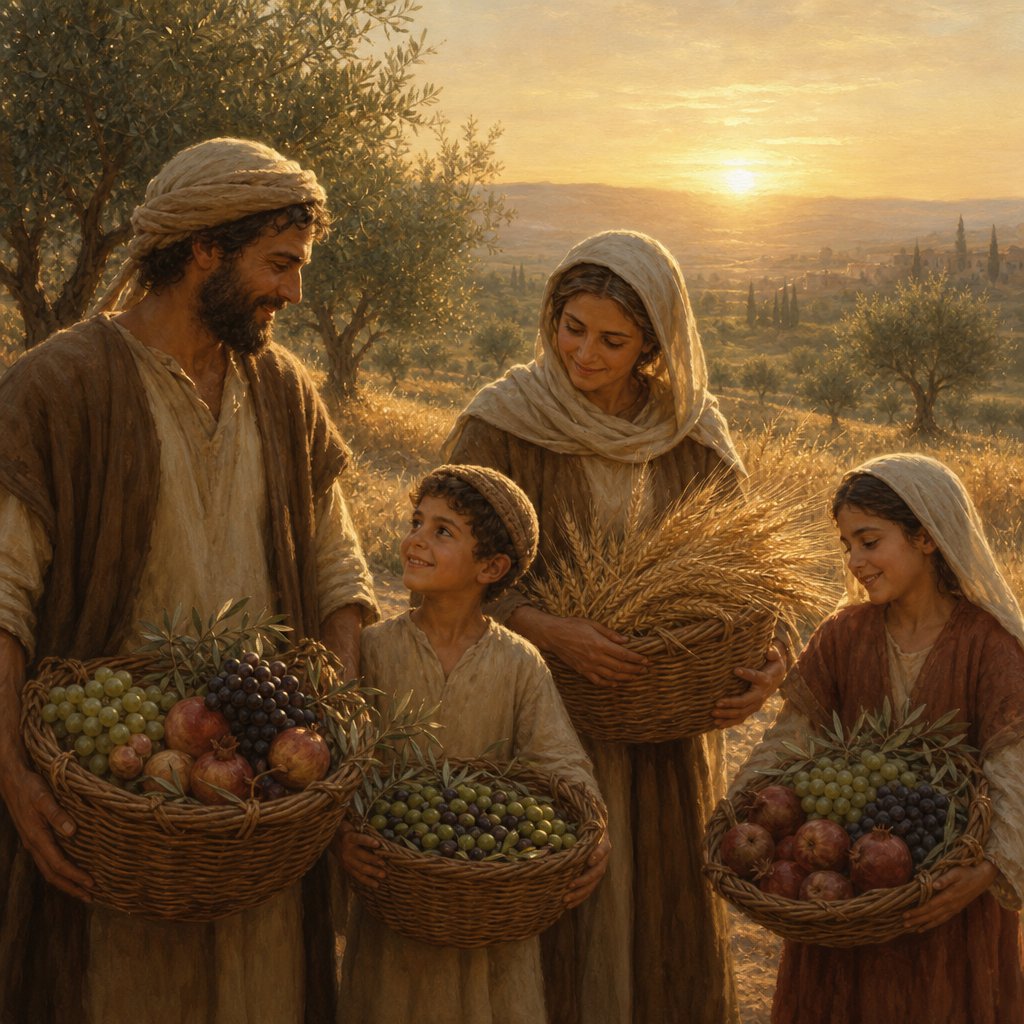
“Proverbs 10:22” in the King James Version reads, “The blessing of the LORD, it maketh rich, and he addeth no sorrow with it.”
In its setting, this saying stands at the beginning of a long series of short, weighty sentences that run through Proverbs 10 and onward, traditionally associated with “the proverbs of Solomon.” The chapter repeatedly contrasts two ways of life: wisdom and folly, righteousness and wickedness, diligence and sloth, truth and deceit. Within that stream of contrasts, Proverbs 10:22 functions as a corrective to a common human assumption: that “rich” means simply the accumulation of goods, and that the way one gets there does not matter. The proverb insists that there is a kind of wealth that is not merely material and not merely the product of human striving. The richest life, in the deepest sense, comes from “the blessing of the LORD.”
The verse begins with “The blessing of the LORD,” placing the source of true enrichment outside human control and locating it in God’s favor and providence. In Proverbs, “the LORD” is not an abstract force but the covenant God who sees the heart, weighs the path, and orders the end of things. “Blessing” in this sense is more than a pleasant feeling or a lucky outcome. It carries the idea of God’s active benevolence resting upon a person’s life, work, relationships, and future. It implies that what is gained is gained under God’s smile, not merely under human calculation. In the world Proverbs describes, there are many ways to get “increase,” including wicked shortcuts and oppressive practices, but the proverb draws a sharp line between possessions that come as a gift under God’s approval and possessions gained in ways that oppose God’s righteousness.
When it says, “it maketh rich,” the proverb is not teaching that every righteous person will always be wealthy in the narrow, earthly sense, nor that poverty always signals divine displeasure. Proverbs offers general truths about life as God designed it, not a mechanical formula that removes all mystery from providence. “Rich” here can certainly include material provision, because the book often treats honest labor, wise planning, and prudent speech as means by which God ordinarily provides. Yet the word “rich” also naturally extends to the broader idea of a life made full: a household at peace, a conscience unburdened, a reputation not built on lies, strength for one’s calling, and a sense of sufficiency that is not dependent on constant acquisition. The proverb’s force is that God’s blessing produces a kind of abundance that is real, stable, and ultimately good.
The second clause deepens the meaning: “and he addeth no sorrow with it.” This distinguishes the LORD’s enrichment from the kind of “riches” that arrive entangled with grief. Some gains carry sorrow because they are won by sin and therefore bring God’s judgment, inner torment, broken relationships, fear of exposure, or the violence of consequences. Even when no one else sees, ill-gotten increase often adds “sorrow” through guilt, restlessness, and the continual need to defend what was taken unjustly. Other gains carry sorrow because they become a burden: wealth that masters the owner, breeds anxiety, invites ruinous envy, or fractures the soul through pride and forgetfulness of God. The proverb does not deny that any life, even a blessed one, can include affliction; Scripture elsewhere makes plain that the righteous can suffer. Rather, it says that the blessing itself is not mixed with the kind of sorrow that comes from cursed gain. What God gives as blessing is not poisoned at its root. It is not accompanied by the sting of moral compromise or the inward misery that follows a path contrary to God.
Symbolically, “riches” in Proverbs often stand for more than currency. They can represent security, power, and the ability to shape one’s future. The proverb therefore speaks to the human desire for control. It redirects that desire: the safest “security” is not self-made independence but God-given sufficiency. Likewise, “sorrow” stands as the shadow that frequently follows human attempts to secure life apart from God—an emblem of the cost hidden within certain successes. The proverb’s imagery is simple but penetrating: there is a way of increase that is clean, and there is a way of increase that hurts. God’s blessing is the clean way.
In the immediate neighborhood of Proverbs 10, this thought harmonizes with the chapter’s recurring pattern: righteousness tends toward life, wickedness tends toward trouble. The verse is a succinct summary of that moral architecture. It teaches that the best enrichment is not merely “more,” but “more without grief”—increase that can be received with gratitude, enjoyed without dread, and used without shame. It invites the reader to evaluate not only what is gained, but what is carried along with it: peace or torment, integrity or compromise, freedom or bondage.
The significance of Proverbs 10:22, then, is that it anchors the pursuit of prosperity—whether material, relational, or vocational—within reverence for God. It does not romanticize poverty or condemn possessions, but it does sanctify the definition of “rich.” Richness is ultimately measured by whether it flows from “the blessing of the LORD” and whether it arrives unmarred by the sorrow that accompanies gain apart from Him. The proverb calls the heart away from anxious self-sufficiency and toward trust: if the LORD blesses, the enrichment He gives is genuinely good, and it does not come with the hidden grief that so often rides alongside the world’s version of success.
Get our apps


Artwork for Proverbs 10:22

Proverbs 10:22 - "The blessing of the LORD, it maketh rich, and he addeth no sorrow with it."

"The blessing of the LORD, it maketh rich, and he addeth no sorrow with it." - Proverbs 10:22
"The blessing of the LORD, it maketh rich, and he addeth no sorrow with it." - Proverbs 10:22

"The blessing of the LORD, it maketh rich, and he addeth no sorrow with it." - Proverbs 10:22

Proverbs 22:10 - "Cast out the scorner, and contention shall go out; yea, strife and reproach shall cease."

Proverbs 22
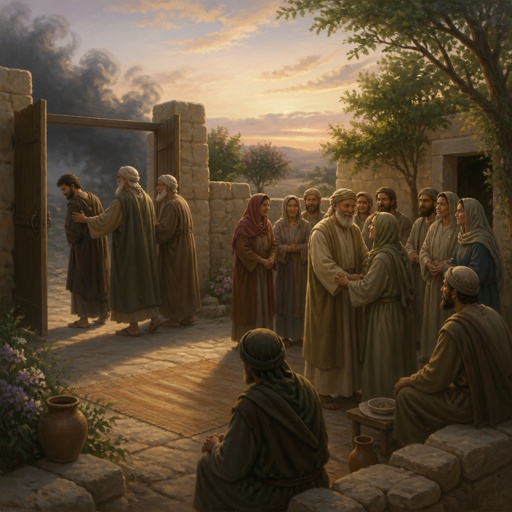
"Cast out the scorner, and contention shall go out; yea, strife and reproach shall cease." - Proverbs 22:10

Proverbs 22:9

Proverbs 22:22 - "Rob not the poor, because he is poor: neither oppress the afflicted in the gate:"

Proverbs 8:22-31

Proverbs 8:22-36

Proverbs 10

Proverbs 18 10

Proverbs 18 10

Proverbs 22:4 - "By humility and the fear of the LORD are riches, and honour, and life."

Proverbs 10:10 - "He that winketh with the eye causeth sorrow: but a prating fool shall fall."

Proverbs 15:22 - "Without counsel purposes are disappointed: but in the multitude of counsellors they are established."

Proverbs 22:7 - "The rich ruleth over the poor, and the borrower is servant to the lender."

Proverbs 10:1 - "The proverbs of Solomon. A wise son maketh a glad father: but a foolish son is the heaviness of his mother."

Proverbs 12:22 - "Lying lips are abomination to the LORD: but they that deal truly are his delight."

Proverbs 22:23 - "For the LORD will plead their cause, and spoil the soul of those that spoiled them."

Proverbs 22:20 - "Have not I written to thee excellent things in counsels and knowledge,"

Proverbs 26:22 - "The words of a talebearer are as wounds, and they go down into the innermost parts of the belly."

Proverbs 22:28 - "Remove not the ancient landmark, which thy fathers have set."

Proverbs 22:12 - "The eyes of the LORD preserve knowledge, and he overthroweth the words of the transgressor."

Proverbs 8:22-31 – Wisdom’s role in creation.

Proverbs 22:26 - "Be not thou one of them that strike hands, or of them that are sureties for debts."

Proverbs 4:22 - "For they are life unto those that find them, and health to all their flesh."

Proverbs 22:2 - "The rich and poor meet together: the LORD is the maker of them all."

Proverbs 3:9-10