What does Proverbs 11:26 mean?
“He that withholdeth corn, the people shall curse him: but blessing shall be upon the head of him that selleth it.” — Proverbs 11:26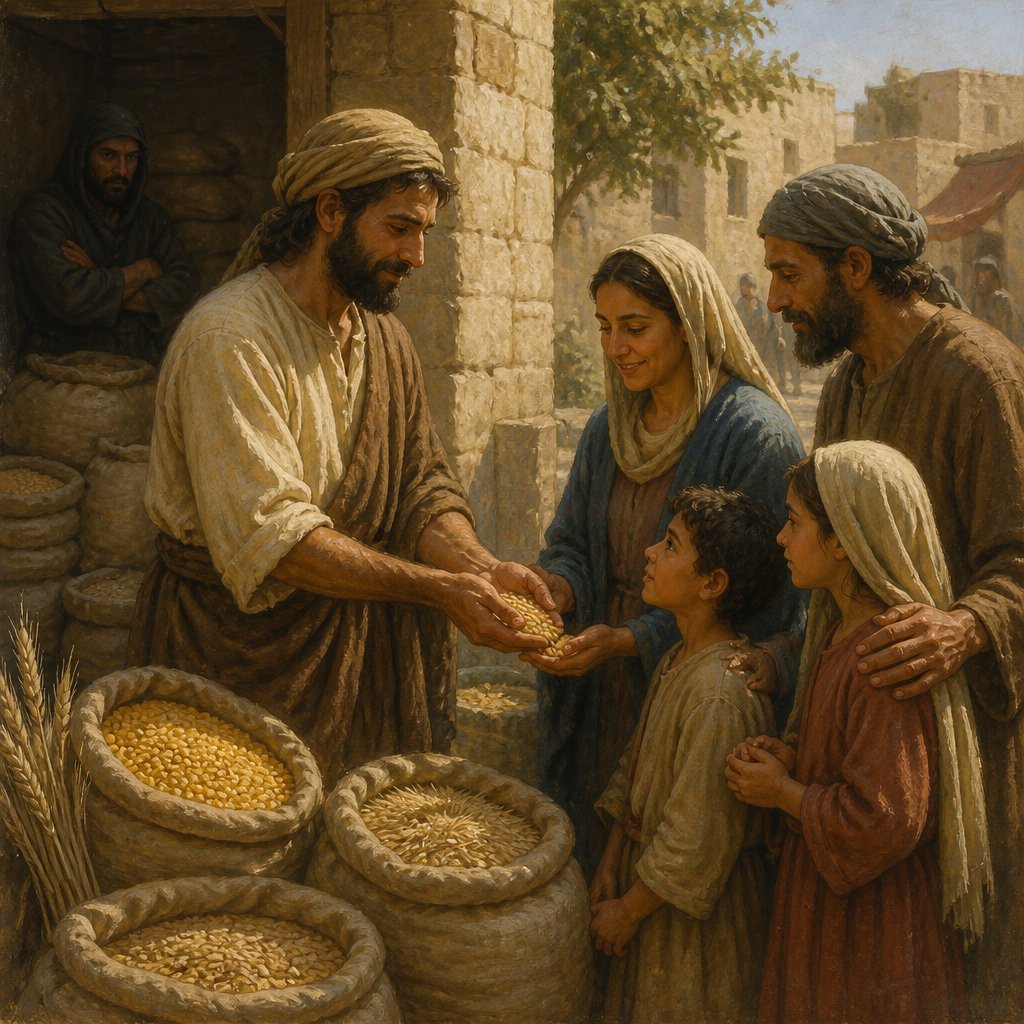
The Bible verse Proverbs 11:26 from the King James Version (KJV) states, "He that withholdeth corn, the people shall curse him: but blessing shall be upon the head of him that selleth it." This verse is a part of the Book of Proverbs, which is a collection of wise sayings and teachings attributed to King Solomon, known for his wisdom in the Hebrew Bible. Proverbs 11:26 is a short but powerful verse that explores the themes of generosity, selfishness, and the consequences of one's actions.
In this verse, the act of withholding corn from the people is presented as detrimental, as it will lead to the people cursing the one who withholds it. This is reflective of the idea that when someone has the means to provide for others, particularly in times of need, and chooses not to do so, they will face dissatisfaction and backlash from those they could have helped. The act of withholding something essential like corn carries a sense of selfishness and greed, as it prioritizes one's own interests over the well-being of others.
On the other hand, the verse contrasts this selfish behavior with the act of selling the corn, which is described as bringing blessing upon the seller. This highlights the value of generosity and the positive outcomes that result from sharing one's resources with others. By choosing to sell the corn, the individual is providing for the needs of the people and in turn receives blessings for their benevolent actions.
The theme of generosity and compassion is prevalent throughout the Bible, and this verse is no exception. It emphasizes the importance of giving and helping others, as opposed to hoarding and selfishness. The verse also encourages individuals to consider the impact of their actions on the community and to prioritize the well-being of others over their own desires.
In a broader context, Proverbs 11:26 can be seen as a reflection of the social and economic dynamics within a community. It addresses the disparities between those who have resources and those who are in need, and the moral obligations that come with the possession of such resources. This verse challenges individuals to consider how they use their wealth and resources, and the ethical implications of their choices.
Symbolically, the verse can be interpreted as a representation of the moral and spiritual consequences of one's actions. The withholding of corn symbolizes selfishness, greed, and a lack of compassion, while the act of selling it represents generosity, empathy, and benevolence. The curses and blessings mentioned in the verse are indicative of the outcomes that result from these differing attitudes and behaviors.
Overall, Proverbs 11:26 serves as a moral lesson about the importance of generosity and selflessness, and the impact of one's actions on others. It prompts individuals to consider the ethical implications of their choices and to prioritize the well-being of the community. Through its timeless wisdom, this verse continues to offer guidance on living a virtuous and compassionate life.
Get our apps


Artwork for Proverbs 11:26

Proverbs 11:26 - "He that withholdeth corn, the people shall curse him: but blessing shall be upon the head of him that selleth it."
"He that withholdeth corn, the people shall curse him: but blessing shall be upon the head of him that selleth it." - Proverbs 11:26

Proverbs 26:11 - "As a dog returneth to his vomit, so a fool returneth to his folly."

Proverbs 11:2

Proverbs 11:2

Proverbs 11:2
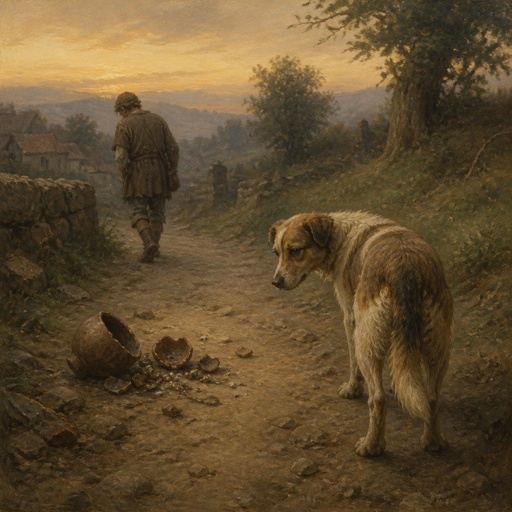
"As a dog returneth to his vomit, so a fool returneth to his folly." - Proverbs 26:11

Proverbs 11:7

Proverbs 11:2

Proverbs 11:2

Proverbs 11:2

Proverbs 11:2

Proverbs 7:26
Proverbs 26:20

Proverbs 26:26 - "Whose hatred is covered by deceit, his wickedness shall be shewed before the whole congregation."

Proverbs 7:26-27

Proverbs 30:26 - "The conies are but a feeble folk, yet make they their houses in the rocks;"

Proverbs 27:26 - "The lambs are for thy clothing, and the goats are the price of the field."

Proverbs 26:18 - "As a mad man who casteth firebrands, arrows, and death,"

Proverbs 26:7 - "The legs of the lame are not equal: so is a parable in the mouth of fools."

Proverbs 26:3 - "A whip for the horse, a bridle for the ass, and a rod for the fool's back."

Proverbs 26:13 - "The slothful man saith, There is a lion in the way; a lion is in the streets."

Proverbs 11:11 - "By the blessing of the upright the city is exalted: but it is overthrown by the mouth of the wicked."

Proverbs 15:26 - "The thoughts of the wicked are an abomination to the LORD: but the words of the pure are pleasant words."

Proverbs 16:26 - "He that laboureth laboureth for himself; for his mouth craveth it of him."

Proverbs 20:26 - "A wise king scattereth the wicked, and bringeth the wheel over them."

Proverbs 26:1 - "As snow in summer, and as rain in harvest, so honour is not seemly for a fool."

Proverbs 26:22 - "The words of a talebearer are as wounds, and they go down into the innermost parts of the belly."

Proverbs 22:26 - "Be not thou one of them that strike hands, or of them that are sureties for debts."

Proverbs 17:26 - "Also to punish the just is not good, nor to strike princes for equity."