What does Proverbs 11:29 mean?
“He that troubleth his own house shall inherit the wind: and the fool shall be servant to the wise of heart.” — Proverbs 11:29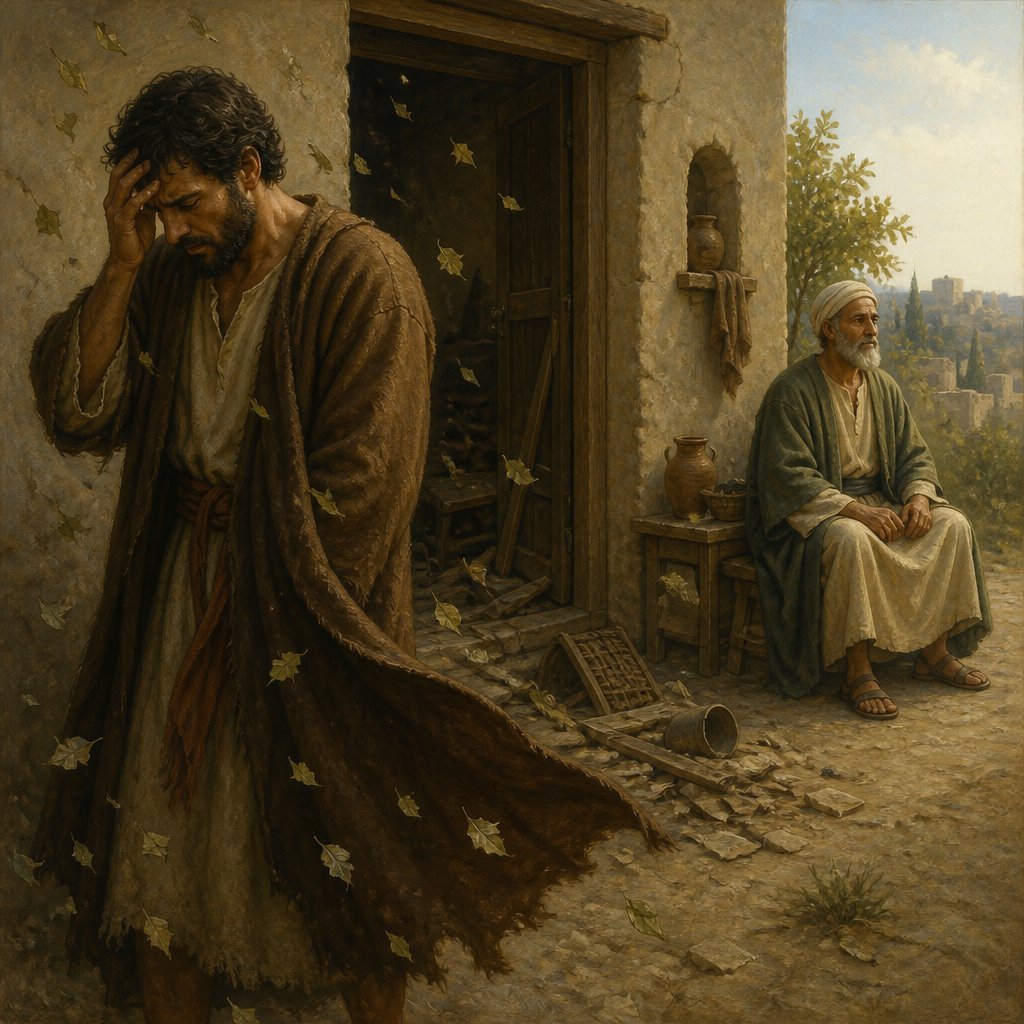
Proverbs 11:29 from the King James Version of the Bible states, "He that troubleth his own house shall inherit the wind: and the fool shall be servant to the wise of heart." This verse is a part of the Old Testament wisdom literature and offers guidance on how to live a righteous and fulfilling life.
First, it is important to understand the context in which this verse is written. The Book of Proverbs is commonly attributed to King Solomon, who is known for his wisdom and understanding. The book is a collection of wise sayings and teachings that aim to provide guidance for living a virtuous and prosperous life. The verses in Proverbs are often written in a poetic and metaphorical style, using vivid imagery to convey their message.
In Proverbs 11:29, the concept of causing trouble in one's own household is presented. This can be interpreted in various ways, such as through actions that bring discord and conflict within the family, or by neglecting responsibilities and causing hardship for loved ones. The phrase "shall inherit the wind" suggests that those who cause trouble in their own household will ultimately gain nothing of value. Just as the wind cannot be possessed or controlled, so too will the troubles caused by one's actions lead to a fruitless and unfulfilling life. This serves as a warning against self-destructive behavior and the consequences it can bring.
The latter part of the verse offers a contrast between the foolish and the wise. It states that the fool will serve the wise of heart. This highlights the importance of wisdom and understanding in achieving success and respect. The fool, in this context, is someone who lacks discernment and acts without consideration for the consequences of their actions. On the other hand, the wise of heart possess insight and good judgment, leading them to make sound decisions and live a fulfilling life. The idea of the fool serving the wise suggests that those who lack wisdom will ultimately be subordinate to those who possess it.
The themes of wisdom, folly, and consequences are prevalent in this verse. It underscores the importance of making wise choices and living in harmony with others. The verse also emphasizes the interconnectedness of one's actions and their effects on both themselves and those around them. It serves as a reminder to consider the impact of our choices on our own lives and the lives of others.
Symbolism also plays a significant role in interpreting this verse. The wind, often depicted as uncontrollable and fleeting, represents the emptiness and futility of causing trouble in one's own household. Just as the wind cannot be grasped or held onto, so too will the troublemaker gain nothing of value. The contrast between the fool and the wise of heart symbolizes the dichotomy between ignorance and insight. The fool represents those who lack understanding and make poor decisions, while the wise embody those who possess discernment and live according to righteous principles.
In conclusion, Proverbs 11:29 offers timeless wisdom on the consequences of causing trouble within one's household, the contrast between folly and wisdom, and the importance of wise living. The verse serves as a reminder to consider the impact of our actions and to strive for discernment and righteousness in our lives. It provides valuable insight into human nature and the interconnectedness of our choices and their consequences. Ultimately, it encourages us to seek wisdom and understanding in order to live a fulfilling and prosperous life.
Get our apps


Artwork for Proverbs 11:29

Proverbs 11:29 - "He that troubleth his own house shall inherit the wind: and the fool shall be servant to the wise of heart."
"He that troubleth his own house shall inherit the wind: and the fool shall be servant to the wise of heart." - Proverbs 11:29

Proverbs 29:11 - "A fool uttereth all his mind: but a wise man keepeth it in till afterwards."

Proverbs 11:2

Proverbs 11:2

Proverbs 11:2
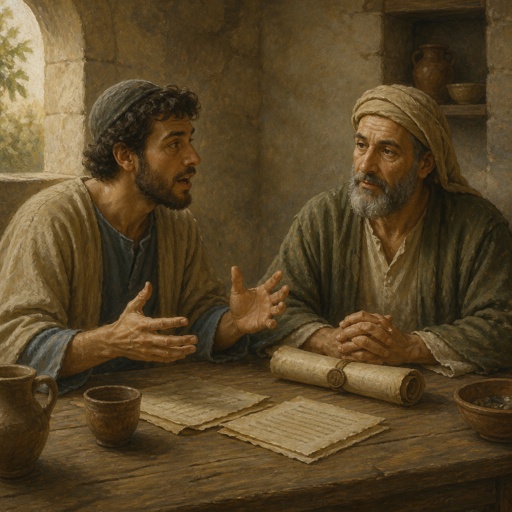
"A fool uttereth all his mind: but a wise man keepeth it in till afterwards." - Proverbs 29:11

Proverbs 11:7

Proverbs 11:2

Proverbs 11:2

Proverbs 11:2

Proverbs 11:2

Proverbs 19:29 - "Judgments are prepared for scorners, and stripes for the back of fools."

Proverbs 1:29 - "For that they hated knowledge, and did not choose the fear of the LORD:"

Proverbs 29:10 - "The bloodthirsty hate the upright: but the just seek his soul."

Proverbs 29:12 - "If a ruler hearken to lies, all his servants are wicked."

Proverbs 29:7 - "The righteous considereth the cause of the poor: but the wicked regardeth not to know it."

Proverbs 29:5 - "A man that flattereth his neighbour spreadeth a net for his feet."

Proverbs 10:29 - "The way of the LORD is strength to the upright: but destruction shall be to the workers of iniquity."

Jeremiah 29:11-13

Jeremiah 29:11-13

Proverbs 29:4 - "The king by judgment establisheth the land: but he that receiveth gifts overthroweth it."

Proverbs 29:6 - "In the transgression of an evil man there is a snare: but the righteous doth sing and rejoice."

Proverbs 15:29 - "The LORD is far from the wicked: but he heareth the prayer of the righteous."

Proverbs 29:19 - "A servant will not be corrected by words: for though he understand he will not answer."

Jeremiah 29:11-13

Jeremiah 29:11-13

Proverbs 20:29 - "The glory of young men is their strength: and the beauty of old men is the gray head."

Proverbs 29:14 - "The king that faithfully judgeth the poor, his throne shall be established for ever."
Proverbs 30:29 - "There be three things which go well, yea, four are comely in going:"