What does Proverbs 13:12 mean?
“Hope deferred maketh the heart sick: but when the desire cometh, it is a tree of life.” — Proverbs 13:12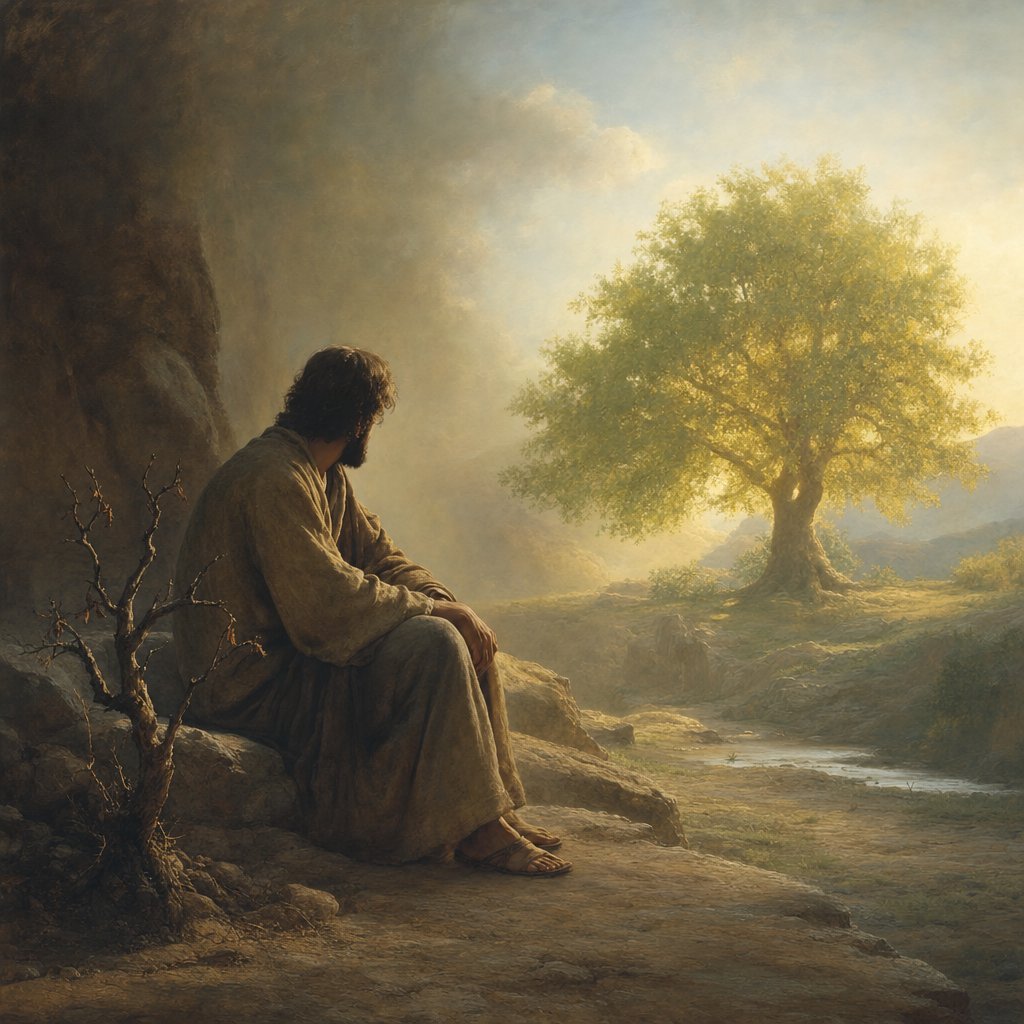
“Hope deferred maketh the heart sick: but when the desire cometh, it is a tree of life.” Proverbs 13:12 (KJV).
In Proverbs 13:12 the wisdom of God describes, in plain human terms, what prolonged waiting does to a person and what fulfilled longing restores. The verse is built on a deliberate contrast. On one side is hope that is “deferred,” not denied outright but postponed, held off, and stretched out past expectation. On the other side is “the desire” that “cometh,” the longed‑for thing arriving in its proper season. The proverb is not merely observing mood; it is speaking about spiritual and emotional vitality, the inward life that either weakens under drawn‑out disappointment or revives when God grants an answer.
The first line, “Hope deferred maketh the heart sick,” uses the “heart” in the biblical sense: the inner person where thoughts, will, affections, and courage reside. When hope is repeatedly pushed back, the heart becomes “sick,” not necessarily in the medical sense, but in the sense of being worn down, heavy, discouraged, and weakened. Scripture often treats the heart as the seat of strength and direction; when it is sick, a person’s perspective, patience, and ability to persevere are affected. The proverb captures a common spiritual danger: delay can tempt someone to lose courage, to interpret silence as abandonment, or to reach for substitutes that promise quick relief. By naming the sickness, the verse validates the reality that waiting hurts. Wisdom does not pretend that longing is painless.
The second line reverses the condition: “but when the desire cometh, it is a tree of life.” “Desire” here is not mere craving or sinful lust; in the parallel it stands for the hoped‑for good—an answered prayer, a righteous goal, a needed provision, a promise realized. When it “cometh,” the proverb does not simply say the heart feels better; it describes the result as “a tree of life,” a rich biblical symbol of vitality, restoration, and enduring blessing. A tree does not merely give a momentary rush; it is living, rooted, and fruitful. It offers shade, nourishment, continuity, and the sense that life has been renewed from within. In the language of Proverbs, “tree of life” imagery signals something that strengthens and sustains a person beyond the immediate event. The fulfillment of a rightly ordered desire can restore joy, stabilize faith, and produce fruit in character, relationships, and renewed diligence.
Within the broader context of Proverbs 13, the chapter repeatedly contrasts outcomes: wise and foolish, diligent and negligent, truthful and deceitful, righteous and wicked. Proverbs 13:12 fits this moral landscape by addressing the inner consequences of longing and fulfillment. Wisdom literature is practical theology: it teaches how life ordinarily works under God’s moral order. The proverb assumes that people live by hopes and goals, and it implies that delays test the heart. In that testing, a person must guard against bitterness and against taking shortcuts that violate righteousness. The verse does not promise that every hope will be fulfilled immediately, or even in the way expected, but it teaches that delayed expectation has a real cost and that fulfillment, when granted, is life‑giving.
Symbolically, the verse sets “deferred” against “cometh,” “heart sick” against “tree of life,” and in doing so it sketches a movement from weakness to renewal. The sickness is an inward withering; the tree is an inward flourishing. The imagery suggests that time matters: prolonged postponement drains, but arrival restores. It also hints at the importance of the object of hope. A “tree of life” is not attached to empty vanity; it is tied to desires that align with life, not death—desires that, once realized, can rightly be received as a blessing rather than an idol.
The significance of Proverbs 13:12 is that it gives language for the spiritual experience of waiting, warning that extended delay can wear down the inner person, while also affirming that God’s granting of a good desire can restore and sustain life like a fruitful tree. It invites patience without denying pain, and it quietly teaches discernment: to hold hopes in such a way that delay does not destroy the heart, and to receive fulfillment as something meant to renew life and bear fruit, not merely to satisfy a momentary longing.
Get our apps


Artwork for Proverbs 13:12
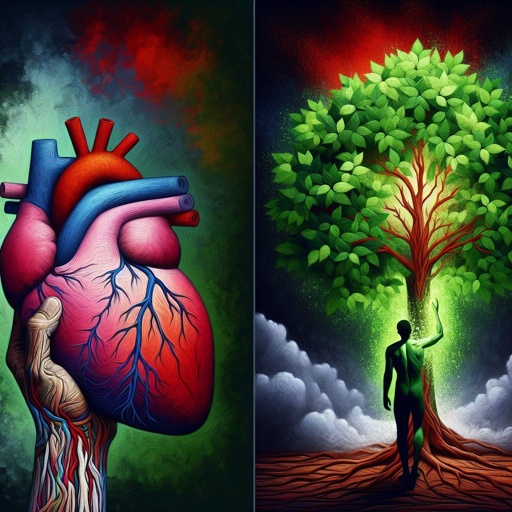
Proverbs 13:12 - "Hope deferred maketh the heart sick: but when the desire cometh, it is a tree of life."
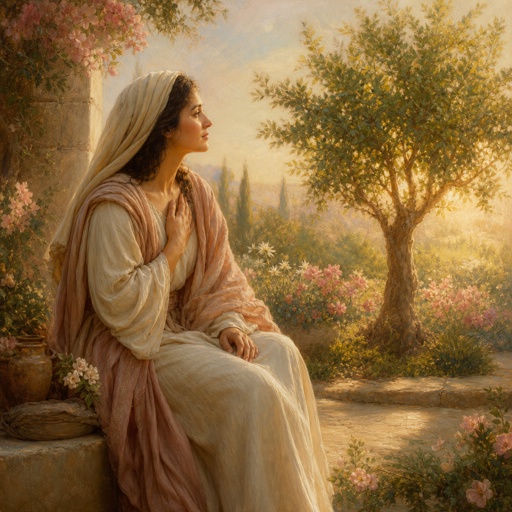
"Hope deferred maketh the heart sick: but when the desire cometh, it is a tree of life." - Proverbs 13:12
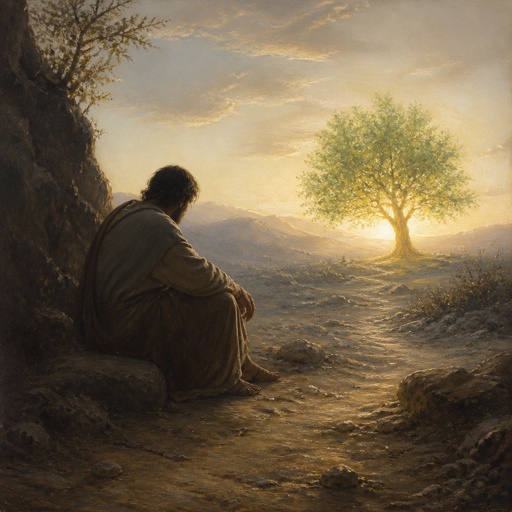
"Hope deferred maketh the heart sick: but when the desire cometh, it is a tree of life." - Proverbs 13:12
!["Hope deferred maketh the heart sick: but [when] the desire cometh, [it is] a tree of life." - Proverbs 13:12](https://media.bible.art/dba28b25-774d-4bd7-a435-a51ce8de7593-thumbnail.jpg)
"Hope deferred maketh the heart sick: but [when] the desire cometh, [it is] a tree of life." - Proverbs 13:12

Proverbs 12:13 - "The wicked is snared by the transgression of his lips: but the just shall come out of trouble."
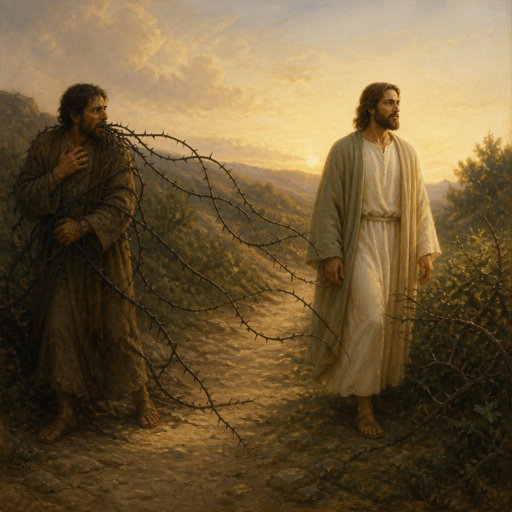
"The wicked is snared by the transgression of his lips: but the just shall come out of trouble." - Proverbs 12:13

proverbs 5:12

Proverbs 12:5

proverbs 5:12

Proverbs 12:12 - "The wicked desireth the net of evil men: but the root of the righteous yieldeth fruit."

Proverbs 13:13 - "Whoso despiseth the word shall be destroyed: but he that feareth the commandment shall be rewarded."

proverbs 5:11-12

proverbs 5:11-12

Proverbs 12:5 - "The thoughts of the righteous are right: but the counsels of the wicked are deceit."

Proverbs 12:7 - "The wicked are overthrown, and are not: but the house of the righteous shall stand."

Proverbs 12:28 - "In the way of righteousness is life; and in the pathway thereof there is no death."

Proverbs 3:13 - "¶ Happy is the man that findeth wisdom, and the man that getteth understanding."

Proverbs 13:21 - "Evil pursueth sinners: but to the righteous good shall be repayed."

Proverbs 26:13 - "The slothful man saith, There is a lion in the way; a lion is in the streets."

Proverbs 13:15 - "Good understanding giveth favour: but the way of transgressors is hard."

Proverbs 13:17 - "A wicked messenger falleth into mischief: but a faithful ambassador is health."

Proverbs 9:13 - "A foolish woman is clamorous: she is simple, and knoweth nothing."

Proverbs 14:13 - "Even in laughter the heart is sorrowful; and the end of that mirth is heaviness."

Proverbs 13:23 - "Much food is in the tillage of the poor: but there is that is destroyed for want of judgment."

Proverbs 2:13 - "Who leave the paths of uprightness, to walk in the ways of darkness;"

Proverbs 13:10 - "Only by pride cometh contention: but with the well advised is wisdom."

Proverbs 16:12 - "It is an abomination to kings to commit wickedness: for the throne is established by righteousness."

Proverbs 6:12 - "¶ A naughty person, a wicked man, walketh with a froward mouth."

Proverbs 29:12 - "If a ruler hearken to lies, all his servants are wicked."

Proverbs 12:18 - "There is that speaketh like the piercings of a sword: but the tongue of the wise is health."