What does Proverbs 17:2 mean?
“A wise servant shall have rule over a son that causeth shame, and shall have part of the inheritance among the brethren.” — Proverbs 17:2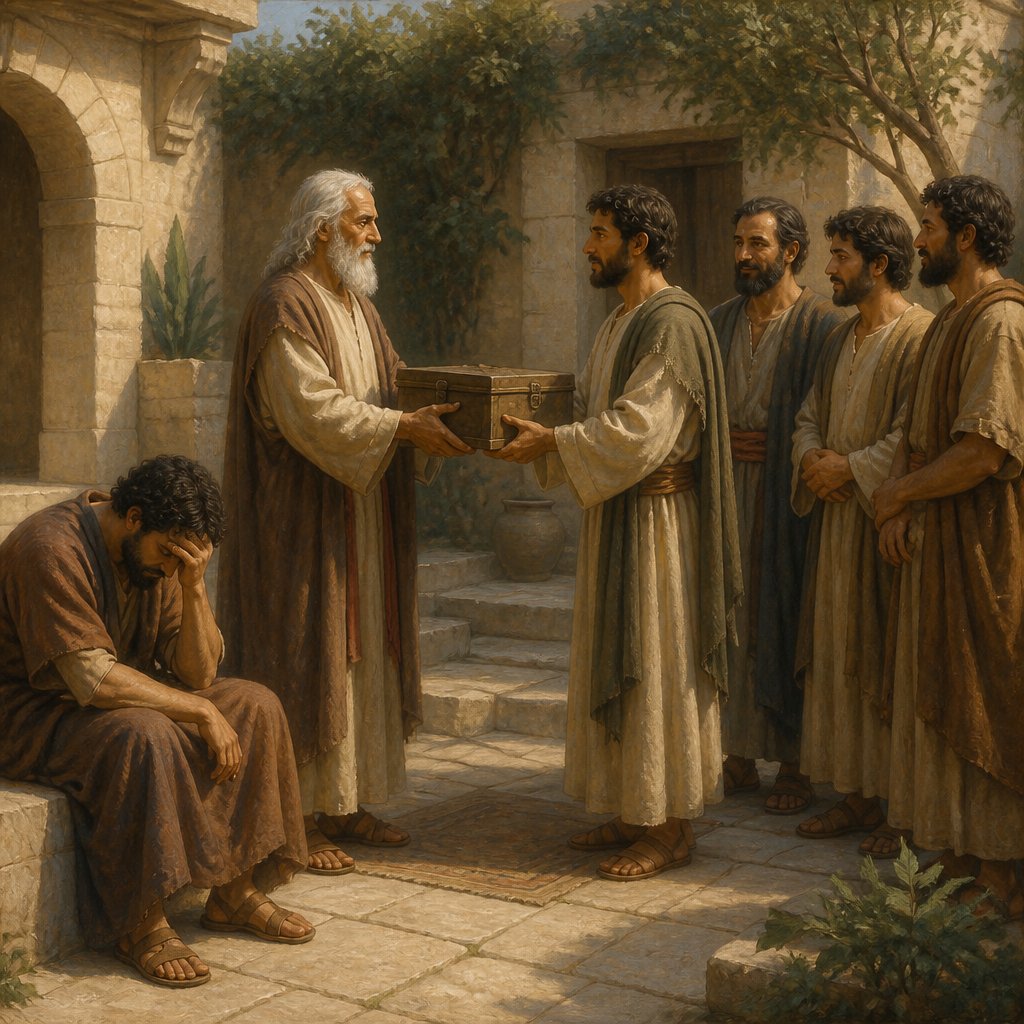
The verse Proverbs 17:2 in the King James Version of the Bible reads, "A wise servant shall have rule over a son that causeth shame, and shall have part of the inheritance among the brethren." This verse offers insight into the dynamics of family and the significance of wisdom in leadership and inheritance.
In this verse, the contrast is drawn between a wise servant and a shameful son. The verse suggests that a wise servant will ultimately have more authority and inheritance than a son who brings shame upon his family. This may seem counterintuitive in a society where lineage and familial ties typically determine one's position and inheritance, but the wisdom and actions of an individual have greater implications than mere lineage.
The theme of wisdom is central to this verse. In the context of the ancient Near East, wisdom was highly esteemed and was often associated with leadership and authority. The wise servant in this verse is someone who has proven themselves capable and responsible, making them more worthy of respect and inheritance than a son who has brought shame upon the family. This reflects the biblical emphasis on the value of wisdom and its superiority over mere familial ties.
Furthermore, the verse highlights the contrast between deserving and undeserving heirs. The wise servant is portrayed as deserving of rule and inheritance, as they have earned it through their actions and character. On the other hand, the son who brings shame upon the family is shown as undeserving of authority and inheritance, as their actions have discredited them. This serves as a cautionary tale, emphasizing the consequences of one's actions and the importance of integrity in determining one's worthiness.
The verse also speaks to the idea of responsibility and accountability. The wise servant is presented as someone who has demonstrated their capability to lead and manage, and as a result, they are entrusted with rule and inheritance. This suggests that responsibility and accountability are key components of leadership and authority. In contrast, the son who causes shame is seen as lacking in these qualities, and therefore is not deemed worthy of ruling or receiving inheritance.
The symbolic significance of the verse lies in the deeper spiritual implications of wisdom and character. In a broader sense, the wise servant represents those who are wise and faithful in their service to God, and the son who causes shame represents those who bring dishonor to God through their actions. The verse can be interpreted as a reflection of spiritual inheritance, where those who are faithful and wise in their service to God will receive greater blessings and authority, while those who bring shame through their disobedience will be denied such blessings.
Overall, Proverbs 17:2 conveys a profound message about the value of wisdom, responsibility, and accountability. It presents a stark contrast between deserving and undeserving heirs, emphasizing the importance of character and actions in determining one's worthiness. The verse also carries symbolic significance, pointing to the spiritual implications of wisdom and faithful service to God. It serves as a timeless reminder of the timeless truth that wisdom and integrity are more valuable than mere lineage and blood ties.
Get our apps


Artwork for Proverbs 17:2
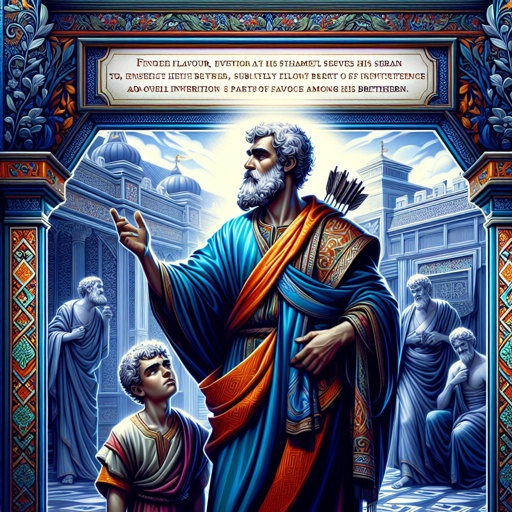
Proverbs 17:2 - "A wise servant shall have rule over a son that causeth shame, and shall have part of the inheritance among the brethren."
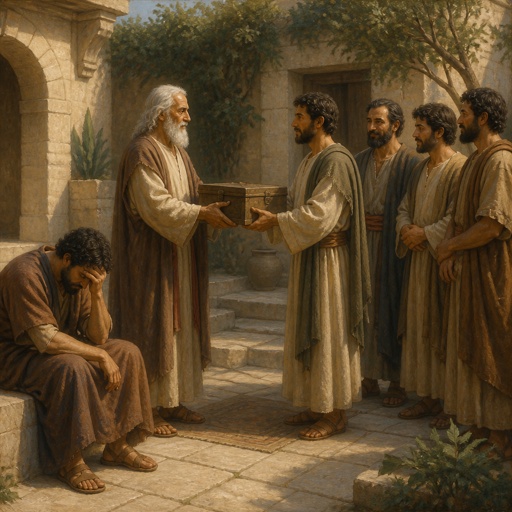
"A wise servant shall have rule over a son that causeth shame, and shall have part of the inheritance among the brethren." - Proverbs 17:2

Proverbs 2:17 - "Which forsaketh the guide of her youth, and forgetteth the covenant of her God."

Proverbs 17:17 - "A friend loveth at all times, and a brother is born for adversity."
"Which forsaketh the guide of her youth, and forgetteth the covenant of her God." - Proverbs 2:17

Proverbs 17:6

Proverbs 27:17

Proverbs 27:17

Proverbs 17:27-28

Proverbs 17:27-28

Proverbs 17:27-28

Proverbs 4:17 - "For they eat the bread of wickedness, and drink the wine of violence."

"A friend loveth at all times, and a brother is born for adversity." - Proverbs 17:17

Proverbs 5:17 - "Let them be only thine own, and not strangers' with thee."

Proverbs 1:17 - "Surely in vain the net is spread in the sight of any bird."
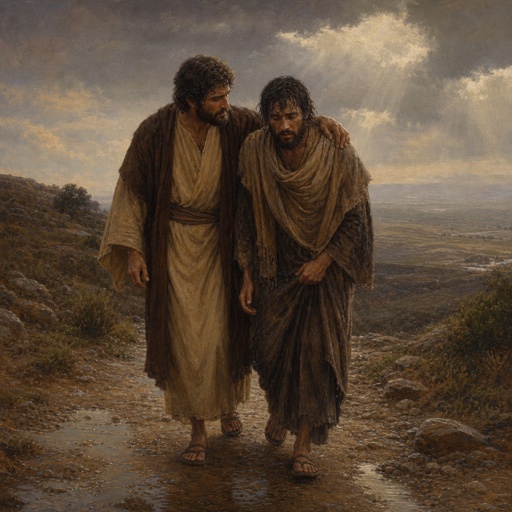
"A friend loveth at all times, and a brother is born for adversity." - Proverbs 17:17

Proverbs 10:17 - "He is in the way of life that keepeth instruction: but he that refuseth reproof erreth."

Proverbs 9:17 - "Stolen waters are sweet, and bread eaten in secret is pleasant."

Proverbs 13:17 - "A wicked messenger falleth into mischief: but a faithful ambassador is health."

Proverbs 17:3 - "The fining pot is for silver, and the furnace for gold: but the LORD trieth the hearts."

Proverbs 17:6 - "Children's children are the crown of old men; and the glory of children are their fathers."

Proverbs 6:17 - "A proud look, a lying tongue, and hands that shed innocent blood,"

Proverbs 7:17 - "I have perfumed my bed with myrrh, aloes, and cinnamon."

Proverbs 3:17 - "Her ways are ways of pleasantness, and all her paths are peace."

Proverbs 17:26 - "Also to punish the just is not good, nor to strike princes for equity."

Proverbs 31:17 - "She girdeth her loins with strength, and strengtheneth her arms."

Proverbs 17:25 - "A foolish son is a grief to his father, and bitterness to her that bare him."

Proverbs 12:17 - "He that speaketh truth sheweth forth righteousness: but a false witness deceit."

Proverbs 17:24 - "Wisdom is before him that hath understanding; but the eyes of a fool are in the ends of the earth."

Proverbs 17:8 - "A gift is as a precious stone in the eyes of him that hath it: whithersoever it turneth, it prospereth."