What does Proverbs 19:22 mean?
“The desire of a man is his kindness: and a poor man is better than a liar.” — Proverbs 19:22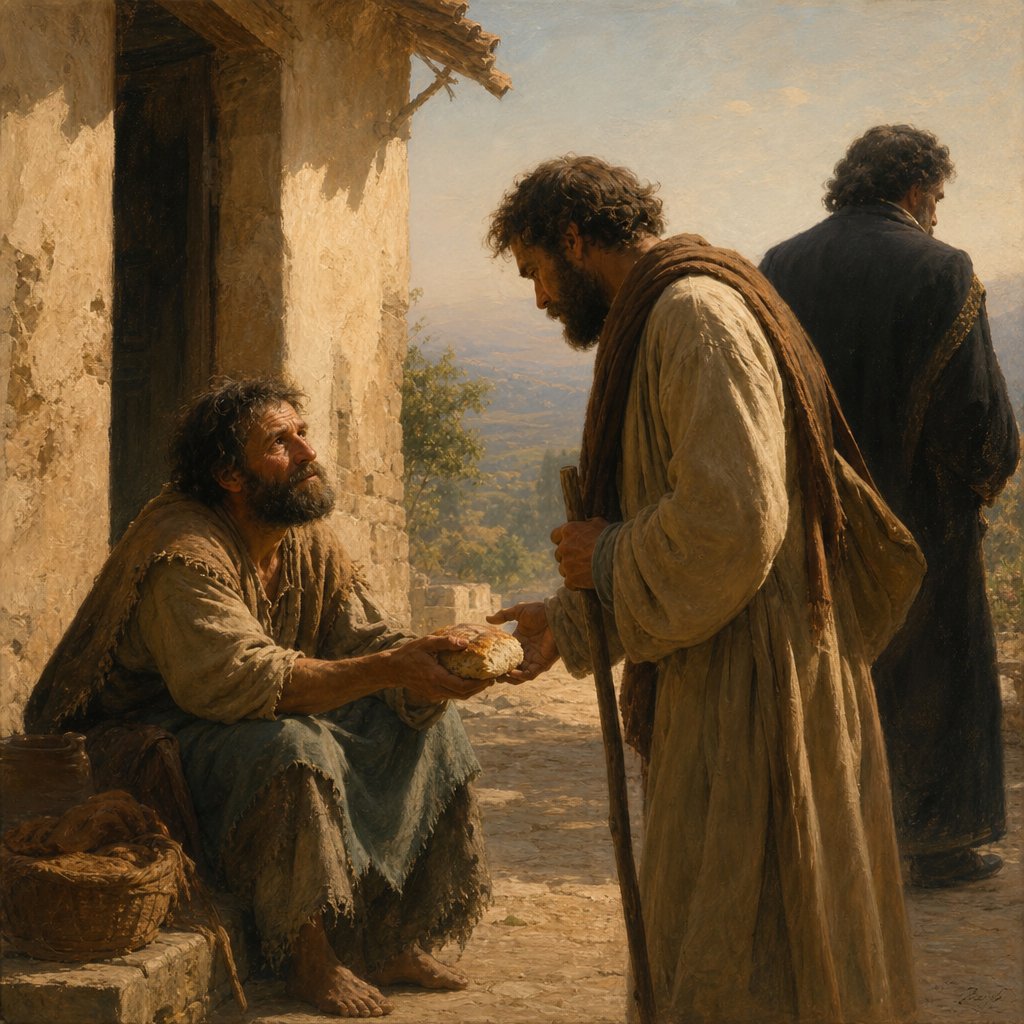
Proverbs 19:22 in the King James Version reads, “The desire of a man is his kindness: and a poor man is better than a liar.” In a single sentence it draws a moral portrait of what makes a person truly valuable, what people rightly long for in others, and what God esteems when He weighs character.
The opening phrase, “The desire of a man is his kindness,” speaks to what is most to be wished for in a person and what, at the deepest level, should be the aim and “desire” of a person’s life. In the world of Proverbs, “desire” is not mere appetite but what the heart reaches toward as a mark of good character. “Kindness” here carries the idea of faithful goodness, benevolence, and a disposition that does not merely feel sympathy but acts for another’s good. It is the sort of character quality that makes a person trustworthy and safe to be around. Proverbs regularly places weight on inward moral qualities that express themselves outwardly in speech and action; therefore, kindness is not presented as optional softness but as a defining excellence. It is the kind of virtue that others “desire” to encounter because it brings relief, stability, and peace. It is also what makes a man desirable in God’s moral economy: power, cleverness, and wealth are treated in Proverbs as unstable measures of worth, but kindness is a lasting measure.
The second clause, “and a poor man is better than a liar,” grounds the first clause with a striking comparison. Proverbs often teaches by contrast, setting two lives beside each other to reveal what is truly better. Poverty, in itself, is not praised as a virtue, nor is wealth automatically condemned; rather, the verse insists that material lack does not make a person contemptible. In fact, even the humiliations and limitations of being “poor” do not sink a man’s worth beneath the wickedness of falsehood. A “liar” in Proverbs is not merely someone who misspeaks; it is a person whose words are unfaithful, who manipulates reality for advantage, who cannot be trusted in covenant, commerce, testimony, or friendship. Since Proverbs is deeply concerned with the power of speech to create or destroy life in community, lying represents a direct threat to social and spiritual order. By saying a poor man is better than a liar, the proverb teaches that integrity is more valuable than advantage, and that truthfulness is more foundational than possessions.
Read together, the two lines reinforce a unified theme: what people most need from one another, and what makes life livable, is not impressive resources but reliable character. Kindness is presented as the substance behind truly “desirable” humanity, and truthfulness is implied as part of that kindness, because unkindness is often carried on the tongue through deceit. There is symbolism in the contrast between “poor” and “liar.” The poor man symbolizes outward deficiency, what the world easily scorns, while the liar symbolizes inward corruption, what may be hidden for a time but ultimately poisons relationships. The proverb overturns a common human instinct to measure “better” by visible status. It teaches that the better life is the honest one, even if it is materially stripped, because it is aligned with wisdom and with God’s standard.
In its larger context, Proverbs 19 is filled with sayings that compare the value of integrity to the fragility of wealth, and that warn against foolish speech, false testimony, and hasty living. The chapter repeatedly returns to the idea that words reveal the heart and that moral defects in speech lead to ruin. Proverbs 19:22 fits into that stream by highlighting two pillars of righteous living: a heart inclined to do good to others, and a mouth committed to truth. It also implicitly comforts those who lack means: you are not defined by scarcity, and you are not excluded from being “better” in the eyes of wisdom. At the same time, it confronts those who maintain an image of success while bending the truth: no prosperity can purchase the moral standing that honesty and kindness provide.
The significance of the verse, then, is both ethical and spiritual. Ethically, it calls for a life in which kindness is not accidental but desired, chosen, and cultivated, and in which truth is guarded even when lying would seem to bring relief or gain. Spiritually, it aligns with Proverbs’ larger insistence that “the fear of the LORD” shapes character; kindness and truth are not merely social graces but expressions of a heart ordered by wisdom. Proverbs 19:22 teaches that the most admirable desire in a man is steadfast kindness, and that it is better to be poor with integrity than to be secure by deceit, because God’s measure of “better” is moral faithfulness rather than outward plenty.
Get our apps


Artwork for Proverbs 19:22

Proverbs 19:22 - "The desire of a man is his kindness: and a poor man is better than a liar."

"The desire of a man is his kindness: and a poor man is better than a liar." - Proverbs 19:22
"The desire of a man is his kindness: and a poor man is better than a liar." - Proverbs 19:22

Proverbs 22:19 - "That thy trust may be in the LORD, I have made known to thee this day, even to thee."

"That thy trust may be in the LORD, I have made known to thee this day, even to thee." - Proverbs 22:19

Proverbs 22

Proverbs 22:9

Proverbs 22:22 - "Rob not the poor, because he is poor: neither oppress the afflicted in the gate:"

Proverbs 19:8

Proverbs 19:8

Proverbs 8:22-31

Proverbs 8:22-36

Proverbs 19:19 - "A man of great wrath shall suffer punishment: for if thou deliver him, yet thou must do it again."

Proverbs 22:4 - "By humility and the fear of the LORD are riches, and honour, and life."

Genesis 22:19

Proverbs 19:29 - "Judgments are prepared for scorners, and stripes for the back of fools."

Proverbs 4:19 - "The way of the wicked is as darkness: they know not at what they stumble."

Proverbs 7:19 - "For the goodman is not at home, he is gone a long journey:"

Genesis 19-22

Proverbs 15:22 - "Without counsel purposes are disappointed: but in the multitude of counsellors they are established."

Proverbs 10:22 - "The blessing of the LORD, it maketh rich, and he addeth no sorrow with it."

Proverbs 22:7 - "The rich ruleth over the poor, and the borrower is servant to the lender."

Proverbs 21:19 - "It is better to dwell in the wilderness, than with a contentious and an angry woman."

Proverbs 14:19 - "The evil bow before the good; and the wicked at the gates of the righteous."

Proverbs 12:22 - "Lying lips are abomination to the LORD: but they that deal truly are his delight."

Proverbs 22:23 - "For the LORD will plead their cause, and spoil the soul of those that spoiled them."

Proverbs 22:20 - "Have not I written to thee excellent things in counsels and knowledge,"

Proverbs 22:12 - "The eyes of the LORD preserve knowledge, and he overthroweth the words of the transgressor."

Proverbs 22:28 - "Remove not the ancient landmark, which thy fathers have set."

Proverbs 26:22 - "The words of a talebearer are as wounds, and they go down into the innermost parts of the belly."