What does Proverbs 19:5 mean?
“A false witness shall not be unpunished, and he that speaketh lies shall not escape.” — Proverbs 19:5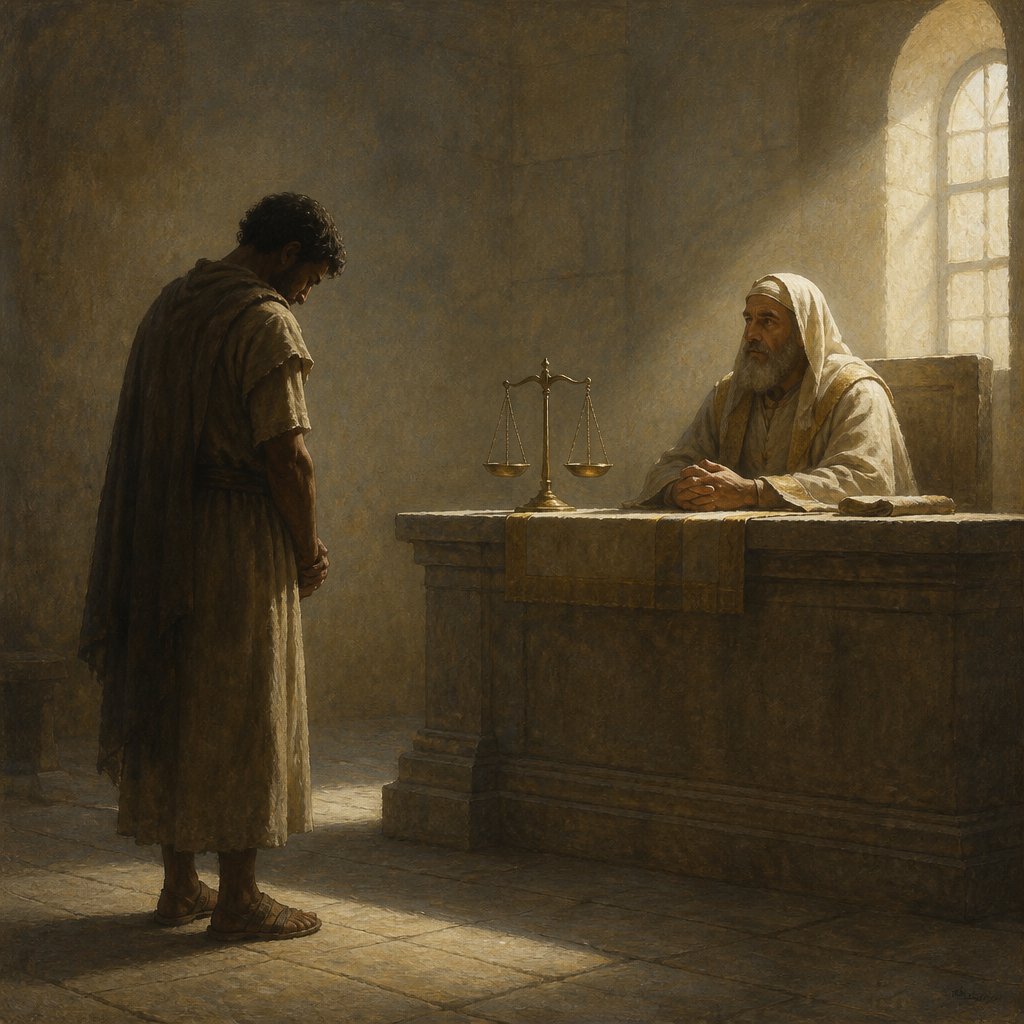
Proverbs 19:5 (KJV) states, "A false witness shall not be unpunished, and he that speaketh lies shall not escape." This verse is a powerful reminder of the consequences of dishonesty and deceit. It emphasizes the righteous judgment that awaits those who choose to bear false witness and speak lies.
The theme of honesty and integrity is prevalent throughout the Bible, and this verse aligns with that theme by warning against the evils of falsehood. In the broader context of the book of Proverbs, the verses seek to provide wisdom and guidance for living a righteous and virtuous life. In this particular verse, the emphasis is on the importance of truthfulness and the repercussions of deceit.
The initial part of the verse, "A false witness shall not be unpunished," highlights the notion that those who give false testimony or make deceptive claims will face consequences for their actions. In a legal and moral sense, bearing false witness goes against the principles of justice and righteousness. This can include providing false information in a court of law, spreading rumors or gossip, or misleading others through deceitful means. The verse makes it clear that such actions will not go unnoticed or unpunished.
The latter part of the verse, "he that speaketh lies shall not escape," further emphasizes the certainty of facing consequences for dishonesty. It conveys the idea that the falsehoods told by individuals will eventually catch up to them, and they will be held accountable for their deceitful words. This serves as a warning to those who engage in lying, reminding them that there is no escape from the truth and the repercussions of their actions.
The symbolic significance of this verse lies in its broader application to human behavior and character. It serves as a moral lesson about the importance of truthfulness and the inherent value of integrity. The verse also underscores the notion of divine justice, implying that God sees and knows all things, and will ultimately hold individuals accountable for their actions.
The contextual relevance of Proverbs 19:5 can be seen in the larger themes of the book of Proverbs. Throughout the book, there is a strong emphasis on the pursuit of wisdom, the fear of the Lord, and the practice of righteousness. The verse aligns with these themes by cautioning against dishonesty and highlighting the importance of truth and moral uprightness in the conduct of one's life.
In a broader theological context, this verse reinforces the biblical teachings on honesty and integrity. It is consistent with the Ten Commandments, which include the prohibition against bearing false witness and lying. It also resonates with the teachings of Jesus, who emphasized the importance of truthfulness and honesty in all aspects of life.
Ultimately, Proverbs 19:5 serves as a powerful admonition against the dangers of falsehood and the inevitability of facing consequences for dishonesty. It reinforces the timeless wisdom of living a life of integrity and truthfulness, and serves as a moral compass for navigating the complexities of human relationships and interactions. It is a reminder that honesty is a foundational principle of righteousness, and that the path of deceit ultimately leads to punishment and judgment.
Get our apps


Artwork for Proverbs 19:5

Proverbs 19:5 - "A false witness shall not be unpunished, and he that speaketh lies shall not escape."

"A false witness shall not be unpunished, and he that speaketh lies shall not escape." - Proverbs 19:5

Proverbs 19:8

Proverbs 19:8

Proverbs 1:5

Proverbs 19:19 - "A man of great wrath shall suffer punishment: for if thou deliver him, yet thou must do it again."

Proverbs 19:29 - "Judgments are prepared for scorners, and stripes for the back of fools."

Proverbs 1:5

Proverbs 1:5

Proverbs 1:5

Proverbs 1:5

Proverbs 1:5

Proverbs 4:19 - "The way of the wicked is as darkness: they know not at what they stumble."

Proverbs 1:5

Proverbs 1:5

Proverbs 1:5

Proverbs 1:5

Proverbs 1:5

proverbs 5:12

proverbs 5:11

Proverbs 12:5

Proverbs 1:5

proverbs 5:12

Proverbs 7:19 - "For the goodman is not at home, he is gone a long journey:"

Proverbs 21:19 - "It is better to dwell in the wilderness, than with a contentious and an angry woman."

Proverbs 14:19 - "The evil bow before the good; and the wicked at the gates of the righteous."

Proverbs 5:5 - "Her feet go down to death; her steps take hold on hell."

Proverbs 16:19 - "Better it is to be of an humble spirit with the lowly, than to divide the spoil with the proud."

Proverbs 19:14 - "House and riches are the inheritance of fathers: and a prudent wife is from the LORD."

Proverbs 29:19 - "A servant will not be corrected by words: for though he understand he will not answer."