What does Proverbs 20:24 mean?
“Man’s goings are of the LORD; how can a man then understand his own way?” — Proverbs 20:24
“Man’s goings are of the LORD; how can a man then understand his own way?” (Proverbs 20:24, KJV).
In the plain sense of the proverb, the verse declares two truths held together in one sentence. First, a person’s “goings,” meaning the steps he takes, the course his life actually follows, and the outcomes that attend his decisions, are “of the LORD.” Second, because the Lord is the One who governs and orders what ultimately comes to pass, a man is not able, by his own limited sight, to fully “understand his own way,” that is, to grasp with certainty the whole meaning, direction, and end of the path he is walking. The proverb is not merely saying that people sometimes feel confused. It is stating a principle about the creature’s limitations before the Creator’s providence: human life is real and active, yet not self-explained and not self-mastered.
The immediate context of Proverbs 20 emphasizes the practical wisdom of living under God’s moral rule while acknowledging the uncertainties and hidden workings that belong to Him. Surrounding sayings warn against the instability of drunkenness, the danger of strife, and the folly of lazy assumptions, and they commend integrity, right judgment, and the fear of the LORD. Within that landscape, Proverbs 20:24 functions like a reminder placed in the middle of everyday counsel: even when one acts wisely, diligence and prudence do not grant omniscience. One may choose a course with sincerity and skill and still find that the Lord’s larger design includes turns, delays, restraints, or open doors that were never anticipated. The proverb therefore tempers both presumption and despair. It restrains presumption by denying that a man can map his future with sovereign clarity; it restrains despair by affirming that there is a Lord who is not absent from the “goings” of man.
The language itself is symbolic and concrete. “Goings” evokes footsteps, a journey, a path—images Proverbs uses repeatedly to describe moral direction and life choices. A “way” in Proverbs is not only a set of actions but a settled course of life, often implying character, habits, and destiny. By speaking of “goings” and “way,” the verse portrays human life as travel: a man is moving, choosing, advancing, and yet he is not the final interpreter of where the road truly leads or what each bend means. The question, “how can a man then understand his own way?” is not asked because understanding is worthless, but because complete understanding is impossible apart from God. It is a rhetorical question that humbles the reader: if the Lord is the One from whom a man’s steps are, then the man cannot claim final insight into the full story of his own life.
One of the central themes here is divine providence. The KJV wording, “are of the LORD,” points to origin and governance. It does not reduce man to a puppet, because Proverbs consistently calls people to choose, to fear God, to speak truth, to work diligently, and to avoid evil; rather, it places human responsibility inside God’s larger rule. The proverb teaches that human planning and willing are real, but they are not ultimate. A man may intend one thing, yet the Lord may order the circumstances, limits, timing, and consequences in a way that serves a wiser end than the man could have devised. This is why the second half of the verse follows logically: if God orders the steps, then man cannot pretend that he fully understands his own way as though it were self-determined and self-interpreting.
Another theme is humility in self-knowledge. The proverb confronts a natural tendency to narrate our lives as if we were able to see the whole map. People often interpret their own “way” by immediate appearances: success looks like blessing, delay looks like denial, hardship looks like abandonment. Proverbs 20:24 cuts across such quick conclusions by reminding the reader that the Lord’s ordering of “goings” exceeds the present moment. The verse encourages a posture of teachableness: instead of demanding that life make immediate sense on our terms, wisdom submits to God’s lordship and waits for His purposes, trusting that the One who orders the steps is righteous and wise.
The verse also carries a theme of dependence. If a man cannot fully understand his own way, then he needs guidance beyond himself. Proverbs frequently presents the fear of the LORD as the beginning of wisdom, implying that true understanding starts not with self-confidence but with reverent reliance. Proverbs 20:24 therefore pushes the reader toward prayerful trust and obedient living: walk faithfully in what is known—truth, justice, mercy, diligence—while acknowledging that the Lord alone knows the full meaning and end of the path.
There is also an implied warning against fatalism and against arrogant certainty. Against fatalism, the verse does not say that man has no “goings” or that choices are irrelevant; it speaks of “man’s goings,” which presumes real movement, real decisions, real moral agency. Against arrogance, it denies that man can “understand his own way” in the sense of possessing exhaustive insight or control. Wisdom, in Proverbs’ world, is the middle road between these errors: act responsibly under God, but do not claim God’s vantage point.
In significance, Proverbs 20:24 gives a theological foundation for living wisely amid uncertainty. It validates the experience of not always knowing why a particular road is being taken, why plans change, why certain doors close and others open, and why outcomes sometimes differ from intentions. At the same time, it anchors that uncertainty in a confession: the Lord is Lord over the path. The proverb thus invites the reader to walk with reverence, patience, and integrity, trusting that while a man may not fully understand his own way, his “goings” are not random, and they are not outside the hand of the LORD.
Get our apps


Artwork for Proverbs 20:24
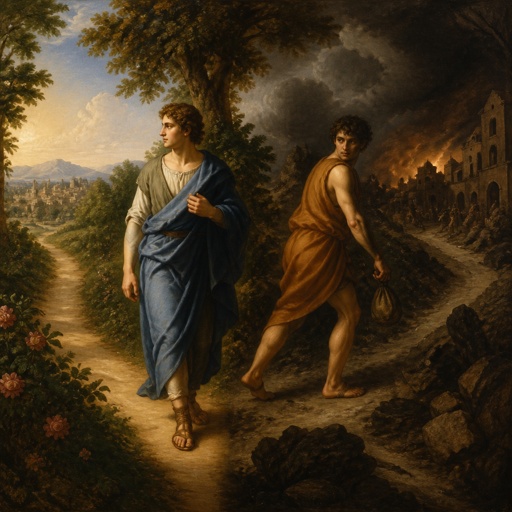
Proverbs 20:24

Proverbs 20:24 - "Man's goings are of the LORD; how can a man then understand his own way?"

PROVERBS 20:24 Man's goings are of the LORD; how can a man then understand his own way?
!["Man’s goings [are] of the LORD; how can a man then understand his own way?" - Proverbs 20:24](https://media.bible.art/e20da50f-589d-4a78-8ac6-5569a8a83f82-thumbnail.jpg)
"Man’s goings [are] of the LORD; how can a man then understand his own way?" - Proverbs 20:24

"Man’s goings are of the LORD; how can a man then understand his own way?" - Proverbs 20:24

"Man's goings are of the LORD; how can a man then understand his own way?" - Proverbs 20:24

Proverbs 24:20 - "For there shall be no reward to the evil man; the candle of the wicked shall be put out."
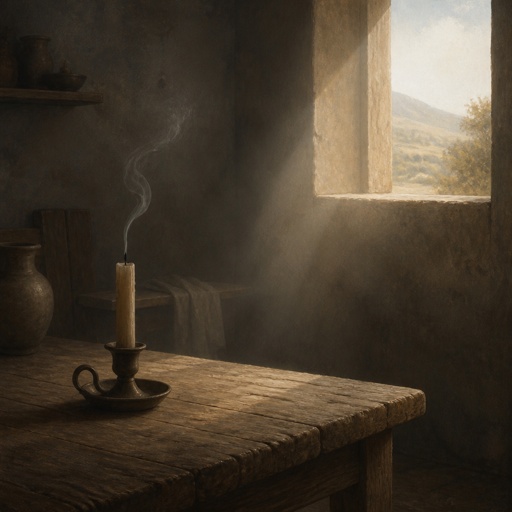
"For there shall be no reward to the evil man; the candle of the wicked shall be put out." - Proverbs 24:20

proverbs 1:20

proverbs 1:20

proverbs 1:20

proverbs 1:20

proverbs 1:20

proverbs 1:20

proverbs 1:20

proverbs 1:20

proverbs 1:20

proverbs 1:20

proverbs 1:20

proverbs 1:20

proverbs 1:20

proverbs 1:20

Proverbs 1:20

proverbs 1:20

proverbs 1:20

proverbs 1:20

proverbs 1:20

proverbs 1:20
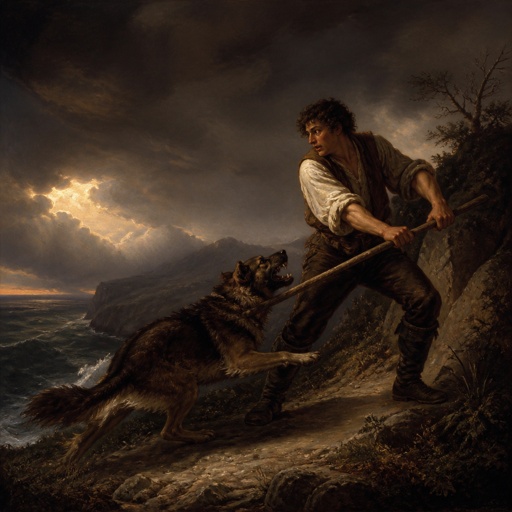
Proverbs 26:20

proverbs 1:20