What does Proverbs 21:21 mean?
“He that followeth after righteousness and mercy findeth life, righteousness, and honour.” — Proverbs 21:21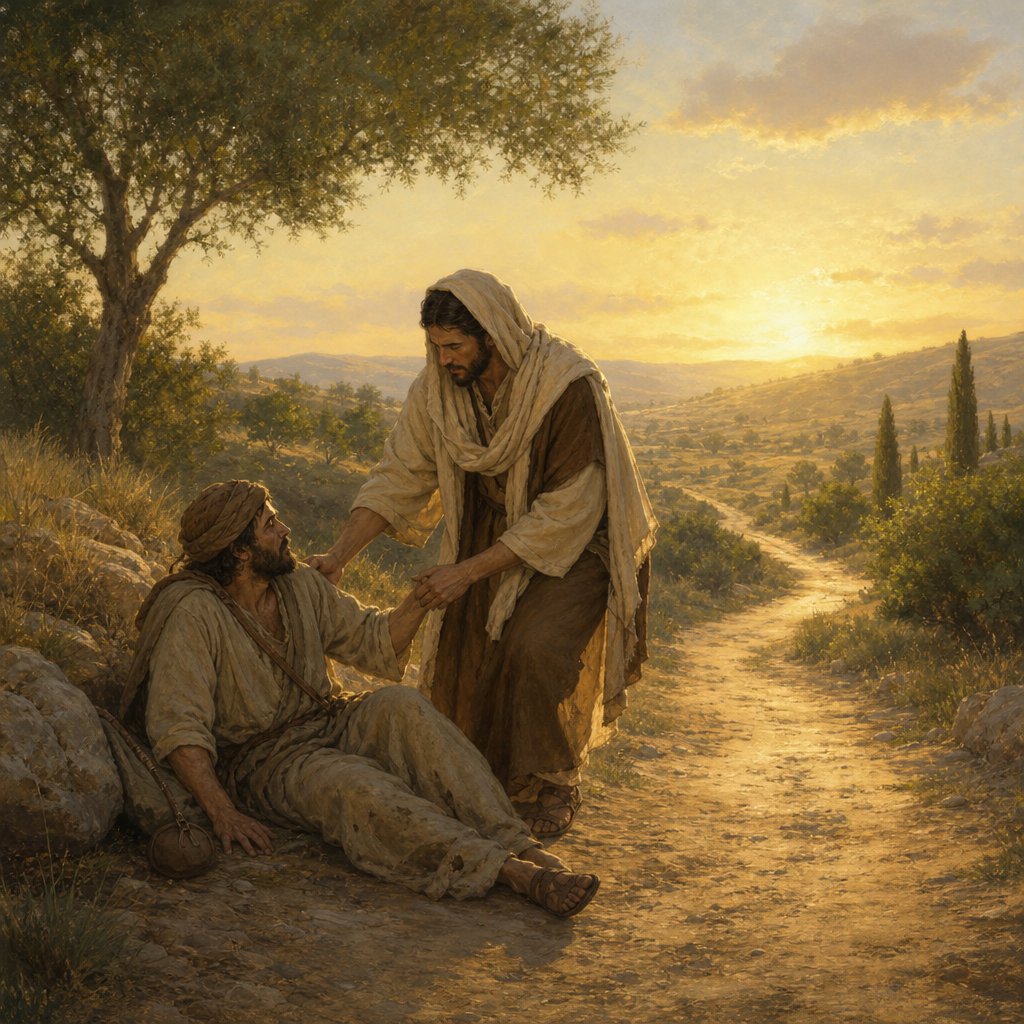
“Proverbs 21:21” in the King James Version reads, “He that followeth after righteousness and mercy findeth life, righteousness, and honour.”
In its plain sense, the verse teaches that a person who deliberately pursues “righteousness and mercy” does not merely perform isolated good deeds, but adopts a sustained direction for life, and that this pursuit tends toward a certain kind of end: “life, righteousness, and honour.” The wording is purposeful. It speaks of “followeth after,” which suggests steady chasing, pressing, and continuing in a course rather than stumbling upon virtue by accident. The proverb is not describing a momentary impulse to do right, but an ongoing pattern of seeking what is right before God and what is compassionate toward people.
The verse holds together two qualities that Scripture often pairs but people frequently separate: “righteousness and mercy.” In Proverbs, “righteousness” is the straight, just, God-fearing ordering of one’s conduct. It includes integrity, fairness, truthfulness, and alignment with God’s moral will. “Mercy” is the tender disposition that does not merely calculate what is deserved, but is moved to kindness, forgiveness, and active compassion. Joined together, they guard against two distortions. Pursuing righteousness without mercy can harden into cold severity, while pursuing mercy without righteousness can drift into indulgence that refuses to name or resist evil. The proverb commends the person who “followeth after” both, the one who aims to be upright while also being gentle, just while also compassionate.
The promise is expressed in three nouns: “life, righteousness, and honour.” “Life” in Proverbs is more than bare existence. It is often the opposite of the self-destructive path of sin; it includes safety, well-being, and a kind of vitality that flows from walking in the fear of the LORD. It can embrace long-term blessing and wholeness, the sort of living that is not eaten away by guilt, violence, deceit, or the consequences of folly. Yet it is also significant that “life” appears as something that is “findeth,” as though it were sought and then discovered. The proverb implies that true life is not stumbled upon by chasing selfish gain, but is encountered as the fruit of a life ordered toward God’s ways and neighborly compassion.
The second result, “righteousness,” may sound repetitive—why would pursuing righteousness lead to finding righteousness? The repetition is part of the proverb’s force. It suggests confirmation, establishment, and increase. The one who follows after righteousness is not only aiming at it; by God’s moral order, that person comes to possess it more deeply. Righteousness becomes not merely a goal but a settled character, a habit strengthened by practice, and in biblical terms, a condition of being “right” in one’s dealings and ways. The proverb presents righteousness as both the path and part of the destination: the pursuit of the upright life tends to produce an upright person.
The third result, “honour,” points to the public and relational consequence of wisdom. In Proverbs, honour is contrasted with shame. Honour can mean a good name, credibility, trust, and the kind of respect that arises when one’s life shows consistency and compassion. It is not the flashy applause of pride or self-promotion, but the weight of reputation that comes from moral substance. Because “honour” is listed after “life” and “righteousness,” it reads like a secondary fruit rather than the primary motive: the proverb does not say, “He that followeth after honour,” but that honour follows the one who chases righteousness and mercy. In other words, the pursuit is directed Godward and others-ward, and the esteem that may come is a consequence, not the idol.
In context, Proverbs is wisdom literature that describes patterns embedded in God’s governance of the world. It frequently contrasts two paths: the way of the righteous and the way of the wicked, the wise and the foolish. Proverbs 21 as a chapter includes themes of God’s sovereignty over human hearts and outcomes, the emptiness of ill-gotten gain, the danger of pride, the value of justice, and the ruin that follows violence and deceit. Within that moral landscape, Proverbs 21:21 functions as a bright summary of the wise path: do not merely avoid wrongdoing; actively chase what is right and compassionate. It stands as a counterpoint to the many ways people attempt to “find” life and honour through manipulation, harshness, or selfish ambition. The proverb implies that life is not secured by force, righteousness is not maintained by hypocrisy, and honour is not produced by vanity; rather, these are found along the road of faithful uprightness joined to merciful love.
The symbolism of “following after” also suggests discipleship language before the word is used in the New Testament sense. It evokes the image of a traveler tracking a trail, refusing to be diverted. Righteousness and mercy are pictured almost like living guides or worthy quarry, and the follower is one who sets the heart in that direction. The verb choice frames virtue as something pursued with intent, energy, and perseverance, implying that righteousness and mercy are not default human instincts but require determination, restraint, and conscious choice.
Finally, the verse’s structure is itself instructive: two pursuits lead to three findings. This can be read as a kind of abundant return, indicating that God’s moral economy is not stingy. The one who seeks the good of God’s ways and the good of others discovers that the outcome is not loss but gain—gain defined not primarily by wealth or power, but by “life, righteousness, and honour.” In that sense, Proverbs 21:21 is both invitation and warning: an invitation to pursue what God calls good with the confidence that it leads toward true flourishing, and a warning that to neglect righteousness or mercy is to step off the path where such blessings are “found.”
Get our apps


Artwork for Proverbs 21:21

Proverbs 21:21 - "He that followeth after righteousness and mercy findeth life, righteousness, and honour."
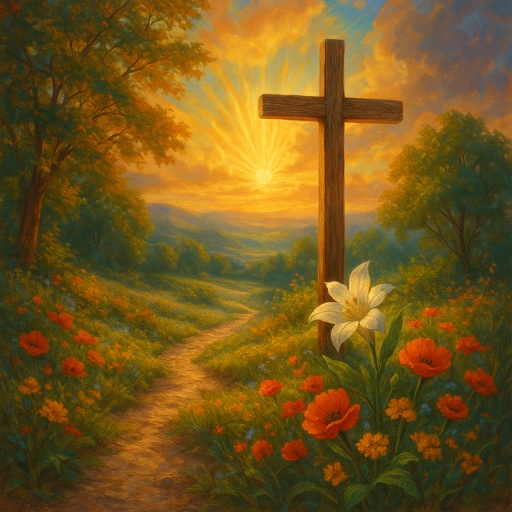
"He that followeth after righteousness and mercy findeth life, righteousness, and honour." - Proverbs 21:21

“He who pursues righteousness and loyalty Finds life, righteousness and honor.” Proverbs 21:21
"He that followeth after righteousness and mercy findeth life, righteousness, and honour." - Proverbs 21:21

“He who pursues righteousness and loyalty Finds life, righteousness and honor.” Proverbs 21:21

Proverbs 18:21

Proverbs 18:21

Proverbs 18:21

Proverbs 18:21

Proverbs 18:21

Proverbs 18:21

Proverbs 18:21

Proverbs 18:21

Proverbs 18:21

Proverbs 18:21

Proverbs 18:21
Proverbs 18:21

proverbs 21 7

Proverbs 31:21

Proverbs 21:18 - "The wicked shall be a ransom for the righteous, and the transgressor for the upright."

Proverbs 2:21 - "For the upright shall dwell in the land, and the perfect shall remain in it."

Proverbs 21:30 - "There is no wisdom nor understanding nor counsel against the LORD."

Proverbs 13:21 - "Evil pursueth sinners: but to the righteous good shall be repayed."

Proverbs 21:31 - "The horse is prepared against the day of battle: but safety is of the LORD."

Proverbs 21:19 - "It is better to dwell in the wilderness, than with a contentious and an angry woman."

Proverbs 21:4 - "An high look, and a proud heart, and the plowing of the wicked, is sin."

Proverbs 21:25 - "The desire of the slothful killeth him; for his hands refuse to labour."

Proverbs 30:21 - "For three things the earth is disquieted, and for four which it cannot bear:"

Proverbs 21:8 - "The way of man is froward and strange: but as for the pure, his work is right."

Proverbs 10:21 - "The lips of the righteous feed many: but fools die for want of wisdom."