What does Proverbs 21:28 mean?
“A false witness shall perish: but the man that heareth speaketh constantly.” — Proverbs 21:28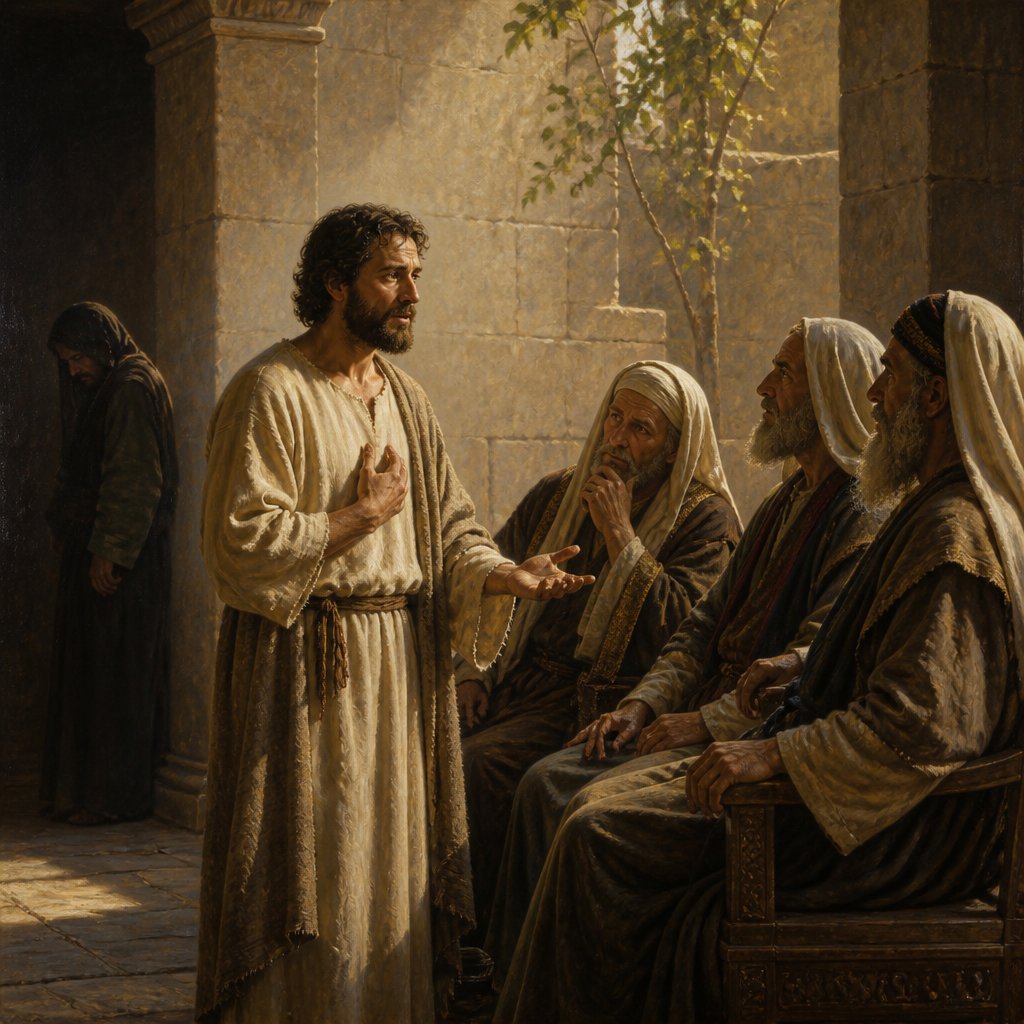
Proverbs 21:28 in the King James Version of the Bible states, "A false witness shall perish: but the man that heareth speaketh constantly." This verse addresses the consequences of being a false witness, and emphasizes the importance of speaking truth and being consistent in one's words and actions.
The first part of the verse, "A false witness shall perish," highlights the grave consequences of bearing false witness. In biblical times, false witnesses were often punished by the law, and even today, giving false testimony can lead to legal consequences. However, this verse extends beyond the idea of legal repercussions and speaks to the spiritual and moral consequences of dishonesty. In the context of the verse, "perish" could refer to a spiritual or moral downfall, suggesting that those who bear false witness will ultimately face judgment and punishment for their deceit.
The second part of the verse, "but the man that heareth speaketh constantly," provides the contrast to the fate of false witnesses. Here, the emphasis is on the importance of being attentive and discerning in one's speech. The person who hears, understands, and speaks truth consistently is highlighted as being righteous and trustworthy. This could be interpreted as a call to be vigilant in discerning truth from falsehood, and to consistently speak and uphold the truth in all aspects of life.
One of the central themes of Proverbs 21:28 is the importance of honesty and integrity in one's words and actions. Throughout the book of Proverbs, there is a consistent emphasis on the value of wisdom, righteousness, and living in accordance with God's will. This verse aligns with the broader theme of wisdom by highlighting the negative consequences of dishonesty and the positive traits of integrity and truthfulness.
The context of this verse within the book of Proverbs is also significant. Proverbs is a book of wisdom literature, offering practical advice for righteous living. It is attributed to Solomon, known for his wisdom and insight, and the content of Proverbs reflects his teachings on various aspects of life, including relationships, work, and moral conduct. Within this overarching context, Proverbs 21:28 serves as a warning against falsehood and a reminder of the importance of truth and consistency in one's words and actions.
Symbolism can also be found in this verse. The contrast between a false witness and a person who speaks constantly reflects the tension between deception and truth. The false witness symbolizes deceit and untrustworthiness, while the person who speaks constantly represents reliability and moral uprightness. This can serve as a symbolic reminder of the ongoing battle between falsehood and truth, and the importance of upholding truth in the face of deception.
In conclusion, Proverbs 21:28 in the King James Version of the Bible provides a poignant reflection on the consequences of being a false witness and the value of speaking truth consistently. It emphasizes the importance of integrity and honesty, and serves as a call to uphold these values in all aspects of life. Within the broader context of the book of Proverbs, this verse aligns with the themes of wisdom and righteous living, and serves as a timeless reminder of the moral and spiritual significance of truthfulness.
Get our apps


Artwork for Proverbs 21:28

Proverbs 21:28 - "A false witness shall perish: but the man that heareth speaketh constantly."
"A false witness shall perish: but the man that heareth speaketh constantly." - Proverbs 21:28

Proverbs 28:21 - "To have respect of persons is not good: for for a piece of bread that man will transgress."
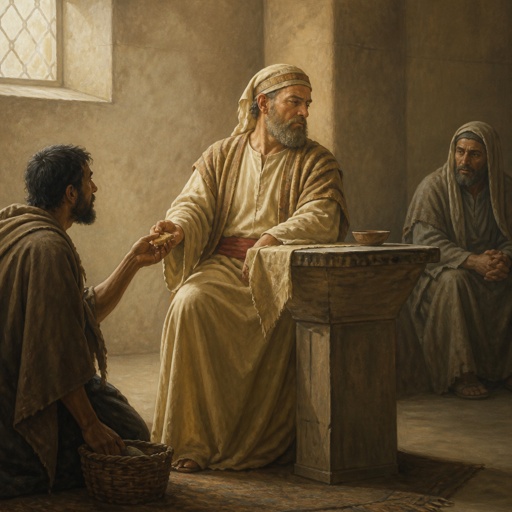
"To have respect of persons is not good: for for a piece of bread that man will transgress." - Proverbs 28:21

Proverbs:31:28

Proverbs 28:28 - "When the wicked rise, men hide themselves: but when they perish, the righteous increase."

Proverbs 18:21

Proverbs 18:21

Proverbs 18:21

Proverbs 18:21

Proverbs 18:21

Proverbs 17:27-28

Proverbs 17:27-28

Proverbs 17:27-28

Proverbs 18:21

Proverbs 18:21

Proverbs 18:21

Proverbs 18:21

Proverbs 18:21
Proverbs 18:21

Proverbs 18:21

proverbs 21 7

Proverbs 31:21

Proverbs 21:21 - "He that followeth after righteousness and mercy findeth life, righteousness, and honour."

Genesis 28-21

Genesis 21:28

Proverbs 12:28 - "In the way of righteousness is life; and in the pathway thereof there is no death."

Proverbs 30:28 - "The spider taketh hold with her hands, and is in kings' palaces."
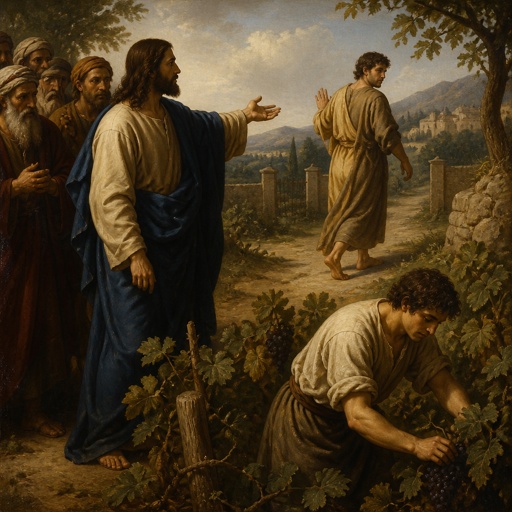
Matthew 21:28-32
![Proverbs 15:28 NIV
[28] The heart of the righteous weighs its answers, but the mouth of the wicked gushes evil.](https://media.bible.art/80457803-46a4-4285-9475-b391d797ab48-thumbnail.jpg)
Proverbs 15:28 NIV [28] The heart of the righteous weighs its answers, but the mouth of the wicked gushes evil.