What does Proverbs 21:7 mean?
“The robbery of the wicked shall destroy them; because they refuse to do judgment.” — Proverbs 21:7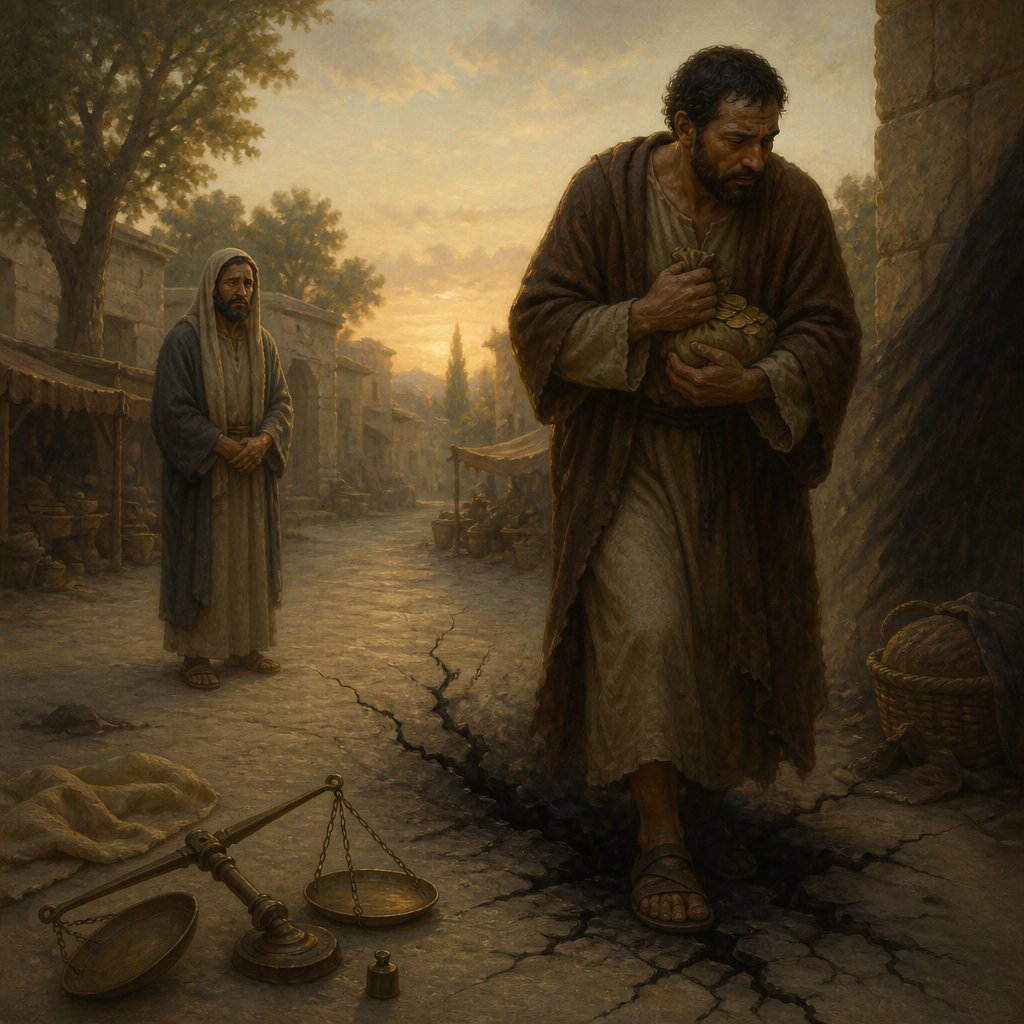
Proverbs 21:7 (KJV) states, "The robbery of the wicked shall destroy them; because they refuse to do judgment." This verse from the Book of Proverbs, written by King Solomon, offers a profound insight into the consequences of wrongful actions and the importance of upholding justice.
The themes present in Proverbs 21:7 include the concept of justice and the inevitable destruction that awaits those who engage in wicked behavior. The verse serves as a reminder of the interconnectedness of actions and their consequences, emphasizing the notion of reaping what one sows. Additionally, the verse highlights the destructive nature of dishonesty and the defiance of moral principles.
In order to fully comprehend the meaning and significance of Proverbs 21:7, it is essential to examine the verse in its broader context within the Book of Proverbs. Throughout the book, Solomon imparts wisdom concerning various aspects of life, including relationships, work ethic, and morality. The verses in Proverbs serve as practical guidelines for living a righteous and fulfilling life, emphasizing the importance of virtuous behavior and the consequences of deviating from such principles.
In the preceding verses of Proverbs 21, Solomon addresses the ways in which the hearts and minds of individuals are within the control of God. He asserts that while people may believe their actions are justified, it is ultimately the Lord who weighs the heart. This sets the stage for verse 7, in which the theme of divine retribution and justice is established. The verse serves as a direct warning to those who engage in dishonest and unjust behavior, declaring that their actions will ultimately lead to their destruction.
The choice of the word "robbery" in Proverbs 21:7 is significant, as it denotes not only the act of taking something unlawfully but also the underlying motive of selfishness and greed. This choice of language serves as a condemnation of unjust and exploitative behavior, highlighting the negative impact it has on both the individual committing the act and its victims. Moreover, the use of the word "destroy" conveys the severity of the consequences, suggesting that the ultimate outcome of such wickedness is ruin and devastation.
Another important element of Proverbs 21:7 is its emphasis on the refusal to do judgment. This phrase denotes a willful rejection of righteousness and an intentional disregard for moral conduct. By choosing not to render just decisions or adhere to ethical standards, the wicked bring about their own downfall. This serves as a reminder of the inherent link between one's actions and their ultimate fate, reinforcing the biblical principle of facing accountability for one's choices.
Symbolically, the verse can be interpreted as a cautionary tale, warning against the allure of dishonest gain and the temptation to forsake justice for personal gain. The imagery of destruction evokes a sense of finality and irreversible consequences, serving as a powerful deterrent against engaging in wickedness. Additionally, the verse conveys the idea that upholding justice is not only a moral imperative but also a means of self-preservation, as the refusal to do so ultimately leads to one's own demise.
In a broader theological context, Proverbs 21:7 aligns with the biblical principle of divine justice, which emphasizes the notion that God will ultimately judge the actions of individuals. The verse serves as a reminder of the universal moral law that governs human behavior, emphasizing the belief that justice will prevail and that the wicked will ultimately face the consequences of their actions.
In conclusion, Proverbs 21:7 offers a profound insight into the consequences of unjust behavior and the importance of upholding morality and justice. The verse serves as a warning against the destructive nature of wickedness and the inevitable downfall of those who refuse to do judgment. Through its themes of divine justice, accountability, and moral responsibility, the verse conveys a timeless message of the interconnectedness of actions and their consequences, serving as a call to uphold virtue and righteousness.
Get our apps


Artwork for Proverbs 21:7

proverbs 21 7

Proverbs 21:7 - "The robbery of the wicked shall destroy them; because they refuse to do judgment."
"The robbery of the wicked shall destroy them; because they refuse to do judgment." - Proverbs 21:7

Proverbs 7:21 - "With her much fair speech she caused him to yield, with the flattering of her lips she forced him."

Proverbs 18:21

Proverbs 18:21

Proverbs 18:21

Proverbs 18:21

Proverbs 18:21

Proverbs 18:21

Proverbs 18:21

Proverbs 18:21

Proverbs 18:21

Proverbs 18:21
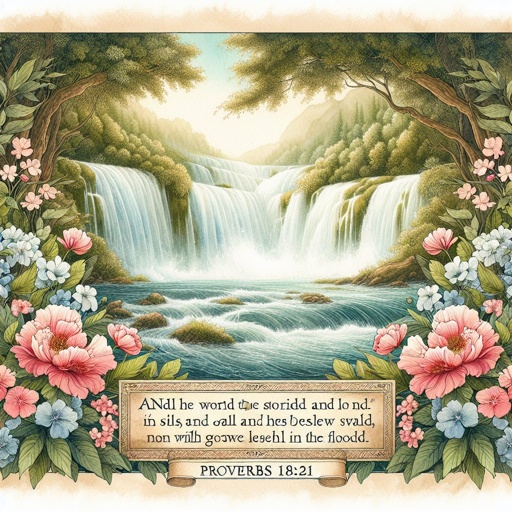
Proverbs 18:21

Proverbs 18:21

Proverbs 31:21

Proverbs 21:21 - "He that followeth after righteousness and mercy findeth life, righteousness, and honour."
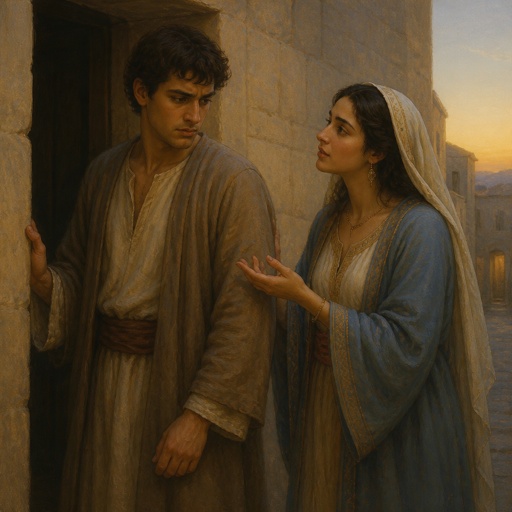
"With her much fair speech she caused him to yield, with the flattering of her lips she forced him." - Proverbs 7:21

Proverbs 21:18 - "The wicked shall be a ransom for the righteous, and the transgressor for the upright."

Proverbs 7:26

Proverbs 11:7

Proverbs 21:25 - "The desire of the slothful killeth him; for his hands refuse to labour."

Proverbs 2:21 - "For the upright shall dwell in the land, and the perfect shall remain in it."

Proverbs 21:30 - "There is no wisdom nor understanding nor counsel against the LORD."

Proverbs 13:21 - "Evil pursueth sinners: but to the righteous good shall be repayed."

Proverbs 21:31 - "The horse is prepared against the day of battle: but safety is of the LORD."

Proverbs 21:19 - "It is better to dwell in the wilderness, than with a contentious and an angry woman."

Proverbs 21:4 - "An high look, and a proud heart, and the plowing of the wicked, is sin."

Proverbs 30:21 - "For three things the earth is disquieted, and for four which it cannot bear:"