What does Proverbs 23:13 mean?
“Withhold not correction from the child: for if thou beatest him with the rod, he shall not die.” — Proverbs 23:13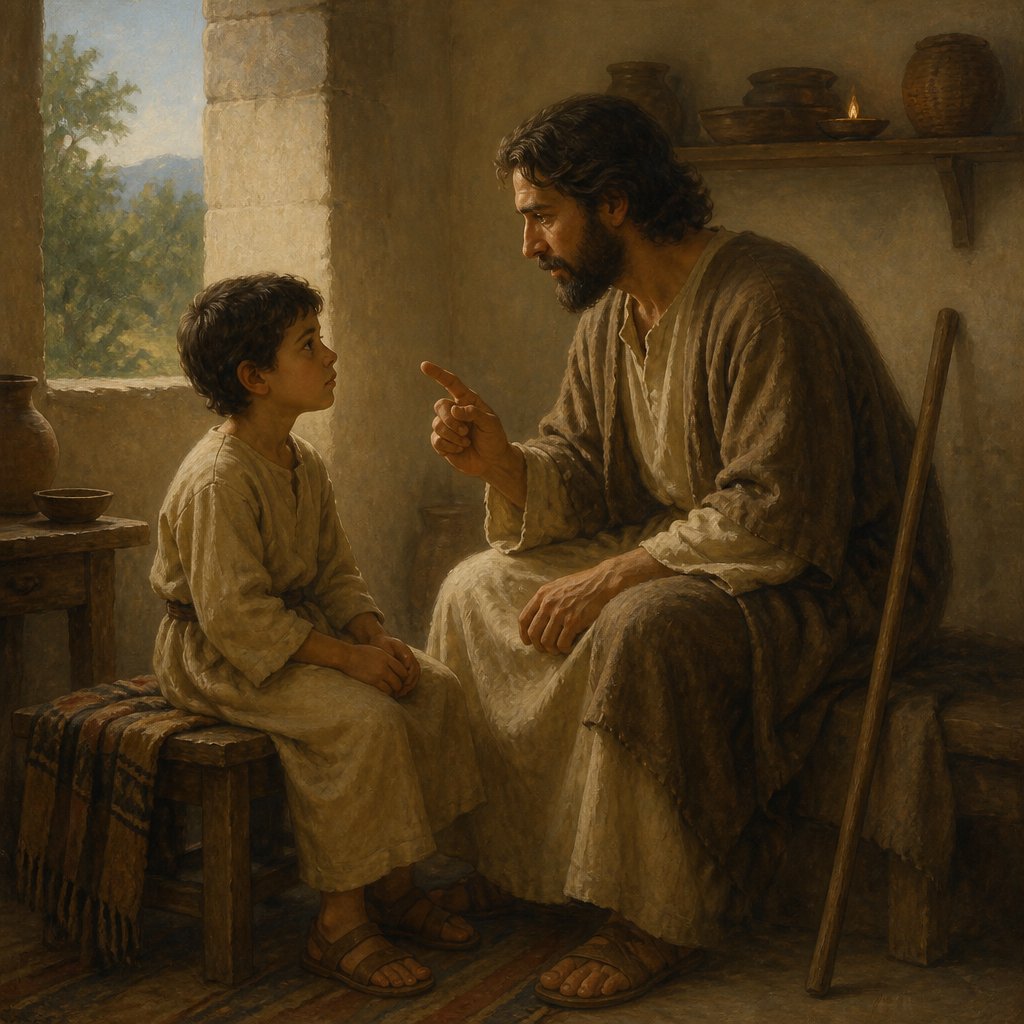
Proverbs 23:13 (KJV) says, "Withhold not correction from the child: for if thou beatest him with the rod, he shall not die." This verse deals with the topic of discipline and the important role it plays in a child's upbringing.
The first part of the verse, "Withhold not correction from the child," speaks to the importance of disciplining children. It suggests that it is the responsibility of parents to correct and train their children. Correction helps to shape a child's character and behavior and ultimately prepares them for adulthood. This is in line with the familiar verse from Proverbs 22:6, "Train up a child in the way he should go: and when he is old, he will not depart from it." The idea is that proper discipline and correction will guide children on the right path and help them develop into responsible adults.
The second part of the verse, "for if thou beatest him with the rod, he shall not die," has been a source of debate and controversy. Some have interpreted this as an endorsement of physical punishment, while others argue that it should be understood more metaphorically. It's important to consider the historical and cultural context in which this verse was written. During the time when the book of Proverbs was written, physical discipline was a common method of child-rearing. However, in contemporary society, this form of punishment is often viewed with skepticism and has even been outlawed in some places.
It's also worth noting that the Bible contains many verses that advocate for non-violence and love towards children. For example, Ephesians 6:4 (KJV) instructs parents to "bring [children] up in the nurture and admonition of the Lord," emphasizing the importance of love and guidance rather than harsh punishment.
In the context of Proverbs 23:13, it's important to consider the symbolism of "the rod." In biblical times, a shepherd's rod was used to guide and correct the sheep, not to harm them. Similarly, the "rod" mentioned in this verse may represent authority and discipline rather than physical violence. The goal of correction should be to guide and shape the child's behavior, not to cause them harm.
The underlying theme of this verse is the importance of discipline and guidance in a child's life. This guidance should be done in a loving and nurturing manner, with the understanding that corrective measures are meant to guide the child towards a positive path. It emphasizes the role of parents and caregivers in shaping a child's character and behavior through gentle correction and teaching.
It's important to approach this verse with sensitivity and discernment, taking into account the cultural context in which it was written and considering the broader biblical teachings on love, compassion, and non-violence. While the exact methods of discipline may vary from culture to culture and from one era to another, the underlying message of Proverbs 23:13 is the responsibility of parents to guide and correct their children with love and wisdom.
Get our apps


Artwork for Proverbs 23:13

Proverbs 23:13 - "Withhold not correction from the child: for if thou beatest him with the rod, he shall not die."

Proverbs 23:13-14 - "Do not withhold discipline from a child; if you punish them with the rod, they will not die. Punish them with the rod and save them from death."

Proverbs 23:13 Do not withhold discipline from a child; if you strike him with a rod, he will not die.
"Withhold not correction from the child: for if thou beatest him with the rod, he shall not die." - Proverbs 23:13
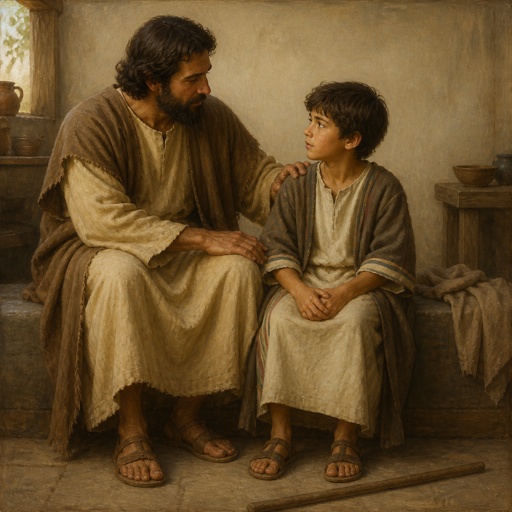
"Do not withhold discipline from a child; if you punish them with the rod, they will not die. Punish them with the rod and save them from death." - Proverbs 23:13-14

Proverbs 13:23 - "Much food is in the tillage of the poor: but there is that is destroyed for want of judgment."
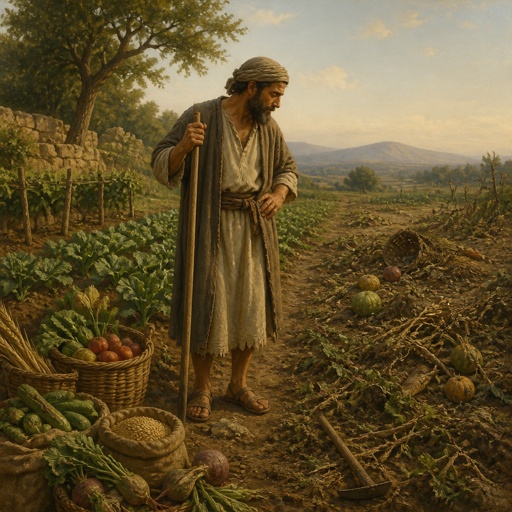
"Much food is in the tillage of the poor: but there is that is destroyed for want of judgment." - Proverbs 13:23

Proverbs 4:23

Proverbs 4:23

Proverbs 4:23

Proverbs 4:23

Proverbs 4:23

Proverbs 23:23 - "Buy the truth, and sell it not; also wisdom, and instruction, and understanding."

Proverbs 4:23

Proverbs. 4:23

Proverbs 23:3 - "Be not desirous of his dainties: for they are deceitful meat."

Proverbs 18:23 - "The poor useth intreaties; but the rich answereth roughly."

Proverbs 23:10 - "Remove not the old landmark; and enter not into the fields of the fatherless:"

Proverbs 23:20 - "Be not among winebibbers; among riotous eaters of flesh:"
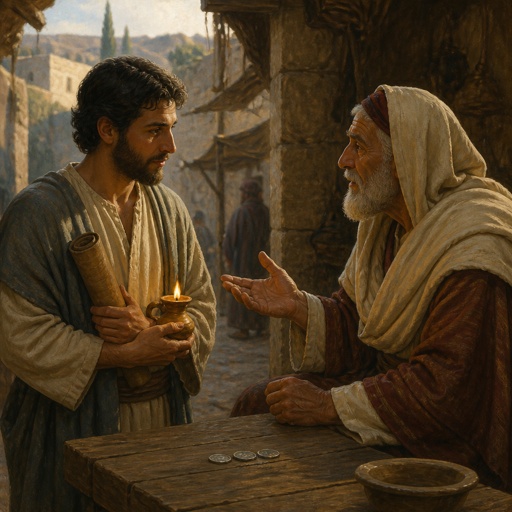
"Buy the truth, and sell it not; also wisdom, and instruction, and understanding." - Proverbs 23:23

Proverbs 23:11 - "For their redeemer is mighty; he shall plead their cause with thee."

Proverbs 23:32 - "At the last it biteth like a serpent, and stingeth like an adder."

Proverbs 23:30 - "They that tarry long at the wine; they that go to seek mixed wine."

Proverbs 13:13 - "Whoso despiseth the word shall be destroyed: but he that feareth the commandment shall be rewarded."

Proverbs 23:4 - "Labour not to be rich: cease from thine own wisdom."

Proverbs 11:23 - "The desire of the righteous is only good: but the expectation of the wicked is wrath."

Proverbs 23:18 - "For surely there is an end; and thine expectation shall not be cut off."

Proverbs 23:27 - "For a whore is a deep ditch; and a strange woman is a narrow pit."

Proverbs 20:23 - "Divers weights are an abomination unto the LORD; and a false balance is not good."

Proverbs 12:23 - "A prudent man concealeth knowledge: but the heart of fools proclaimeth foolishness."