What does Proverbs 24:21 mean?
“My son, fear thou the LORD and the king: and meddle not with them that are given to change:” — Proverbs 24:21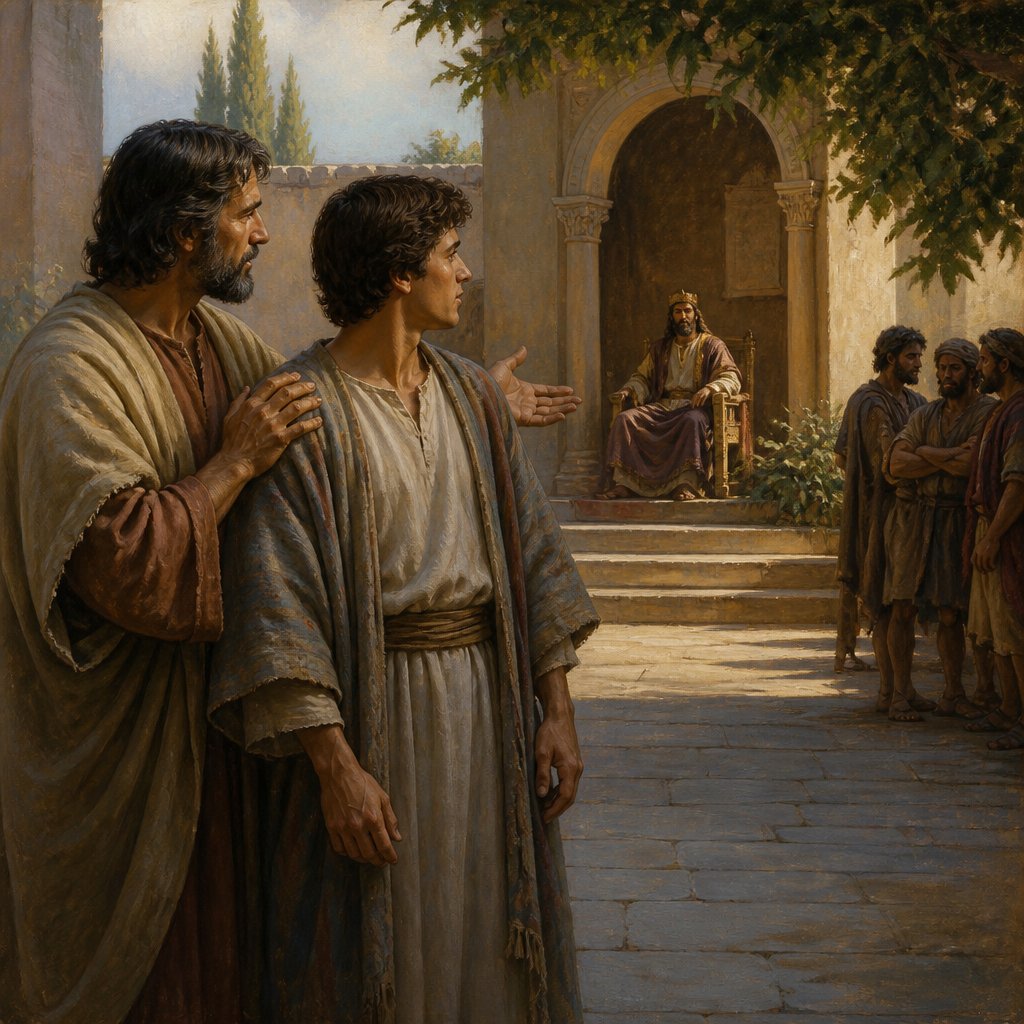
Proverbs 24:21 in the King James Version of the Bible states, "My son, fear thou the Lord and the king: and meddle not with them that are given to change."
This verse is part of the book of Proverbs, which is a collection of wise sayings and teachings attributed to King Solomon, the son of King David. The book is often seen as a guide to living a wise and morally upright life, and this particular verse highlights the importance of reverence for both God and earthly authority figures.
The first part of the verse, "fear thou the Lord and the king," emphasizes the importance of having a healthy respect and reverence for both God and earthly authorities. The word "fear" in this context does not necessarily imply terror, but rather a deep respect and awe. It reminds the reader of the need to honor and obey both divine and human authority. This aligns with the teachings found elsewhere in the Bible, such as in Romans 13:1, which says, "Let everyone be subject to the governing authorities, for there is no authority except that which God has established."
The second part of the verse, "and meddle not with them that are given to change," warns against associating with those who are prone to rebellion or instability. It implies that one should avoid getting involved with individuals who are constantly seeking to disrupt or overthrow the established order. This can be seen as a safeguard against becoming entangled in disruptive or negative influences that could lead one away from wisdom and righteousness.
In a broader biblical context, the theme of respecting authority and avoiding rebellion can be traced back to the Old Testament, where numerous stories and teachings emphasize the importance of honoring God's chosen leaders and avoiding those who seek to foment dissent. For example, the story of Korah's rebellion in the book of Numbers (Numbers 16) serves as a cautionary tale about the dangers of challenging legitimate authority.
In addition to the theme of respecting authority, Proverbs 24:21 also speaks to the virtues of stability and constancy. By cautioning against becoming involved with those given to change, the verse promotes the value of steadfastness and reliability. This aligns with the broader biblical message of the importance of faithfulness and consistency in one's beliefs and actions.
The symbolism in this verse is reflected in the contrast between the unchanging, steady nature of God and the ever-changing, unpredictable nature of some humans. This contrast serves as a reminder to seek stability and constancy in our lives by placing our trust in God and respecting the authority figures he has placed over us.
Overall, Proverbs 24:21 offers a timeless message about the importance of reverence for authority, the value of stability, and the dangers of rebellion and dissent. It serves as a guide for living a wise and morally upright life, both in relation to our respect for God and earthly authorities, as well as in our interactions with others. This verse reminds us to seek stability and constancy in our lives while avoiding those who seek to disrupt the established order.
Get our apps


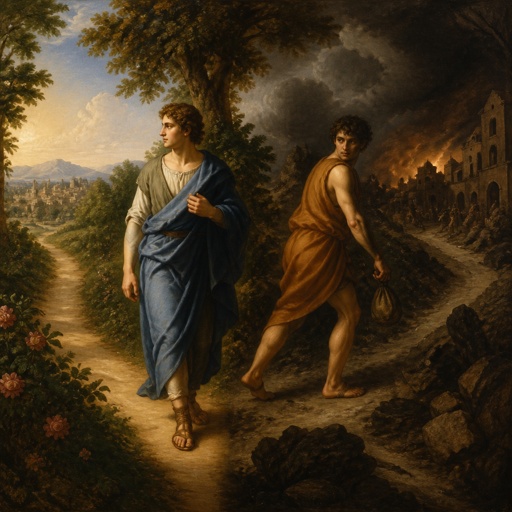
Artwork for Proverbs 24:21

Proverbs 24:21 - "My son, fear thou the LORD and the king: and meddle not with them that are given to change:"
"My son, fear thou the LORD and the king: and meddle not with them that are given to change:" - Proverbs 24:21

Proverbs 21:24 - "Proud and haughty scorner is his name, who dealeth in proud wrath."
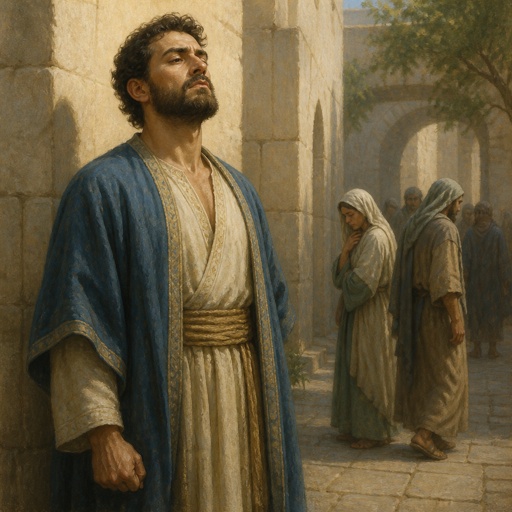
"Proud and haughty scorner is his name, who dealeth in proud wrath." - Proverbs 21:24

Proverbs 18:21

Proverbs 18:21

Proverbs 18:21

Proverbs 18:21

Proverbs 18:21

Proverbs 18:21

Proverbs 18:21

Proverbs 18:21

Proverbs 18:21

Proverbs 18:21
Proverbs 18:21

Proverbs 18:21
Proverbs 20:24

proverbs 21 7

Proverbs 31:21

Proverbs 21:21 - "He that followeth after righteousness and mercy findeth life, righteousness, and honour."

Proverbs 24:3 - "Through wisdom is an house builded; and by understanding it is established:"

Proverbs 24:2 - "For their heart studieth destruction, and their lips talk of mischief."

Luke 21:24

Genesis 24-21

Genesis 21-24

Proverbs 24:24 - "He that saith unto the wicked, Thou art righteous; him shall the people curse, nations shall abhor him:"

Proverbs 24:9 - "The thought of foolishness is sin: and the scorner is an abomination to men."

Proverbs 14:24 - "The crown of the wise is their riches: but the foolishness of fools is folly."

Proverbs 27:24 - "For riches are not for ever: and doth the crown endure to every generation?"

Proverbs 24:10 - "If thou faint in the day of adversity, thy strength is small."