What does Proverbs 26:16 mean?
“The sluggard is wiser in his own conceit than seven men that can render a reason.” — Proverbs 26:16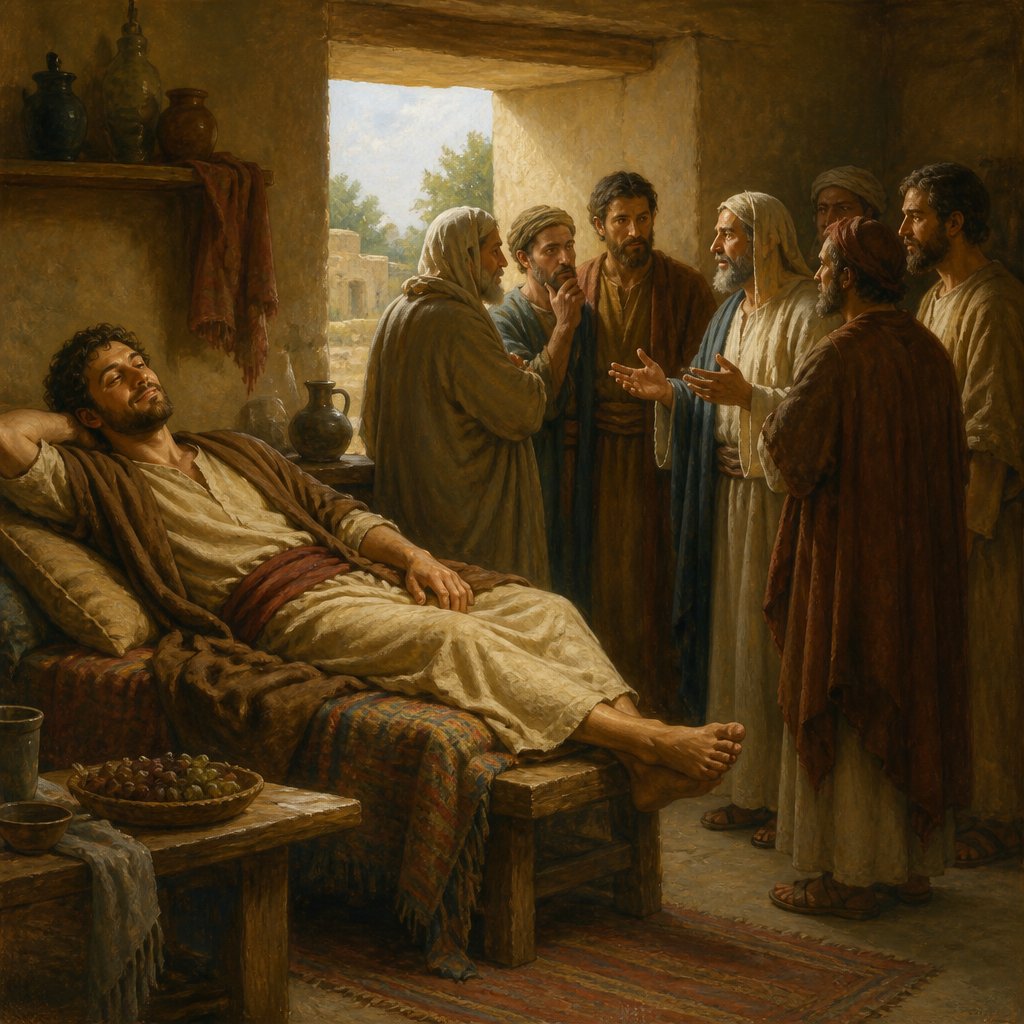
Proverbs 26:16 in the King James Version of the Bible reads, "The sluggard is wiser in his own conceit than seven men that can render a reason." This verse is found in the Book of Proverbs, which is a collection of wise sayings attributed to King Solomon, the wisest man who ever lived according to biblical tradition.
The first part of the verse, "The sluggard is wiser in his own conceit," speaks to the character of a lazy or slothful person. The term "sluggard" refers to someone who is habitually lazy or idle, and "conceit" refers to a high opinion of oneself. In other words, the lazy person is prideful and thinks highly of their own wisdom and abilities. This is a common trait seen in people who are unwilling to work hard and instead rely on their own intellect or cleverness to get by. The implication here is that a lazy person's inflated view of their own wisdom is actually a form of delusion or self-deception.
The second part of the verse, "than seven men that can render a reason," compares the sluggard's perceived wisdom to that of seven men who are able to give a logical explanation for their beliefs or actions. In ancient times, the number seven was often used to signify completeness or perfection. Therefore, the comparison being made here is between the lazy person's overestimation of their own wisdom and the combined wisdom of seven men who are capable of rational thought and sound judgment. This serves to underscore the foolishness of the sluggard's self-delusion.
One of the overarching themes of Proverbs is the importance of hard work, diligence, and wisdom. Throughout the book, there are numerous warnings against laziness and complacency, as well as exhortations to seek wisdom and understanding. Proverbs 26:16 fits within this broader theme by highlighting the folly of laziness and self-deception. It serves as a cautionary reminder that true wisdom is not found in idleness or self-importance, but in humility, diligence, and the willingness to learn from others.
The broader context of Proverbs 26 also sheds light on the meaning of this particular verse. The chapter as a whole is dedicated to the theme of fools and their behavior. It distinguishes between the wise and the foolish, highlighting the characteristics and consequences of each. In this context, Proverbs 26:16 can be seen as a specific example of the folly associated with laziness and self-importance.
Symbolically, the verse can be interpreted as a commentary on the dangers of pride and inflated self-perception. The sluggard's belief in their own wisdom is a form of pride that blinds them to their own shortcomings and prevents them from seeking true understanding. The comparison to seven men who can render a reason serves as a contrast between the individual's self-centered perspective and the collective wisdom of a rational, reasoning community. Ultimately, the verse serves as a reminder that true wisdom comes from humility, hard work, and a willingness to learn from others.
In conclusion, Proverbs 26:16 from the King James Version of the Bible offers a poignant reflection on the dangers of pride and laziness. It serves as a cautionary tale, warning against the folly of self-deception and the importance of seeking true wisdom through humility, diligence, and a willingness to learn from others. As with all of the Book of Proverbs, the verse offers timeless wisdom that is as relevant today as it was in ancient times.
Get our apps


Artwork for Proverbs 26:16

Proverbs 26:16 - "The sluggard is wiser in his own conceit than seven men that can render a reason."
"The sluggard is wiser in his own conceit than seven men that can render a reason." - Proverbs 26:16

Proverbs 16:26 - "He that laboureth laboureth for himself; for his mouth craveth it of him."
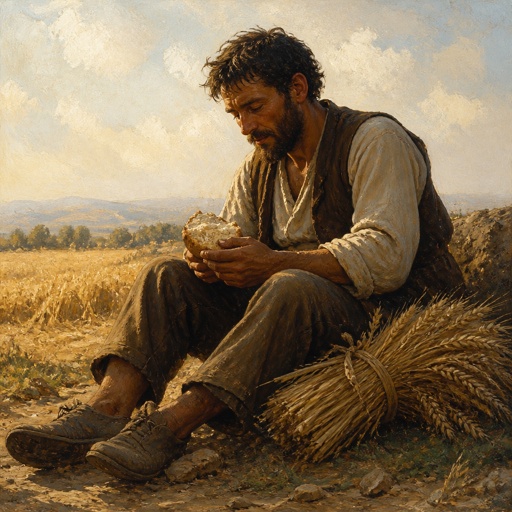
"He that laboureth laboureth for himself; for his mouth craveth it of him." - Proverbs 16:26

Proverbs 26:15-16 - "The sluggard buries his hand in the dish; it wears him out to bring it back to his mouth. The sluggard is wiser in his own eyes than seven men who can answer sensibly."

Proverbs 7:26

Proverbs 26:20

Proverbs 26:26 - "Whose hatred is covered by deceit, his wickedness shall be shewed before the whole congregation."

Proverbs 26:14-16 - "As a door turns on its hinges, so does a sluggard on his bed. The sluggard buries his hand in the dish; it wearies him to bring it back to his mouth. The sluggard is wiser in his own eyes than seven men who can answer sensibly."

Proverbs 7:26-27

Proverbs 16

Proverbs 30:26 - "The conies are but a feeble folk, yet make they their houses in the rocks;"

Proverbs 27:26 - "The lambs are for thy clothing, and the goats are the price of the field."

Proverbs 27:16

Proverbs 26:18 - "As a mad man who casteth firebrands, arrows, and death,"

Proverbs 26:7 - "The legs of the lame are not equal: so is a parable in the mouth of fools."

Proverbs 26:3 - "A whip for the horse, a bridle for the ass, and a rod for the fool's back."

Proverbs 26:13 - "The slothful man saith, There is a lion in the way; a lion is in the streets."

Proverbs 15:26 - "The thoughts of the wicked are an abomination to the LORD: but the words of the pure are pleasant words."

Proverbs 20:26 - "A wise king scattereth the wicked, and bringeth the wheel over them."

Proverbs 26:1 - "As snow in summer, and as rain in harvest, so honour is not seemly for a fool."

Proverbs 26:22 - "The words of a talebearer are as wounds, and they go down into the innermost parts of the belly."

Proverbs 22:26 - "Be not thou one of them that strike hands, or of them that are sureties for debts."

Proverbs 17:26 - "Also to punish the just is not good, nor to strike princes for equity."

Proverbs 16:16 - "How much better is it to get wisdom than gold! and to get understanding rather to be chosen than silver!"

Proverbs 26:28 - "A lying tongue hateth those that are afflicted by it; and a flattering mouth worketh ruin."

Proverbs 4:26 - "Ponder the path of thy feet, and let all thy ways be established."

Proverbs 24:26 - "Every man shall kiss his lips that giveth a right answer."

Proverbs 26:8 - "As he that bindeth a stone in a sling, so is he that giveth honour to a fool."

Proverbs 26:23 - "Burning lips and a wicked heart are like a potsherd covered with silver dross."