What does Proverbs 28:19 mean?
“He that tilleth his land shall have plenty of bread: but he that followeth after vain persons shall have poverty enough.” — Proverbs 28:19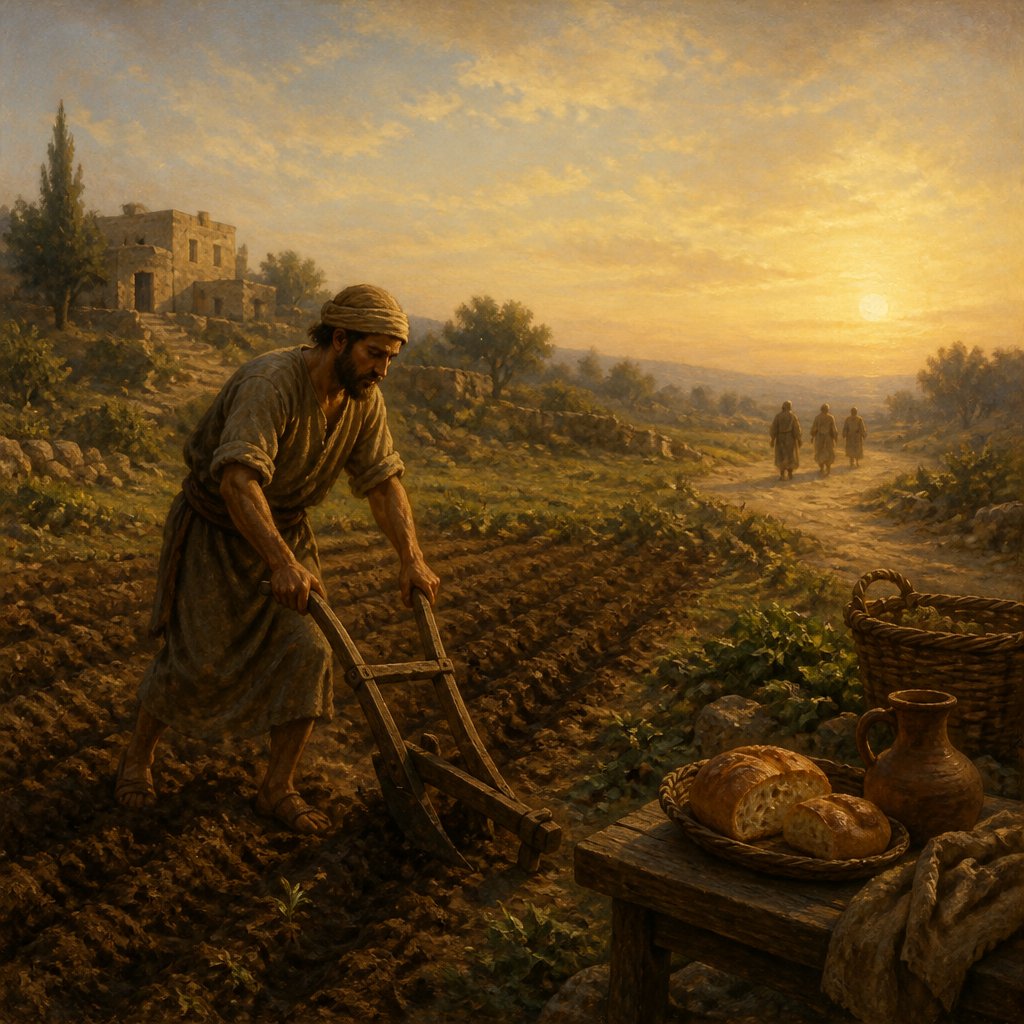
Proverbs 28:19 from the King James Version (KJV) of the Bible states, "He that tilleth his land shall have plenty of bread: but he that followeth after vain persons shall have poverty enough." This verse is rich in meaning and offers valuable insights into the importance of hard work, wise choices, and the consequences of one's actions.
The verse begins with the phrase, "He that tilleth his land shall have plenty of bread." This part of the verse emphasizes the value of hard work and diligence. "Tilling the land" refers to the act of preparing and cultivating the soil for the purpose of planting crops. In ancient times, agriculture was a primary means of sustenance, and the act of tilling the land was essential for providing food for oneself and one's family.
The phrase "shall have plenty of bread" is symbolic of abundance and provision. Bread was a staple food in biblical times, and having plenty of it signified having more than enough to meet one's basic needs. This part of the verse communicates the rewards of working hard and investing time and effort into one's endeavors. It also implies the concept of reaping what one sows, as the act of tilling the land leads to a bountiful harvest.
On the other hand, the latter part of the verse states, "but he that followeth after vain persons shall have poverty enough." This part serves as a contrast to the first half of the verse. It highlights the consequences of associating with "vain persons," or individuals who are foolish, frivolous, and lacking in substance. The act of "following after" such people implies aligning oneself with their ways and being influenced by their choices and lifestyle.
The phrase "shall have poverty enough" conveys the idea of experiencing lack and insufficiency. It suggests that those who engage in frivolous pursuits and follow after vain persons will ultimately suffer the consequences of their actions. This could manifest as financial poverty, but it may also extend to other areas of life, such as a poverty of character, wisdom, or fulfillment.
Overall, Proverbs 28:19 emphasizes the importance of hard work, wisdom, and discernment in life. It encourages individuals to be diligent in their pursuits and to make wise choices in their associations. The verse presents a contrast between the rewards of industriousness and the consequences of frivolity, ultimately pointing to the universal principles of cause and effect.
In a broader context, this verse is situated within the book of Proverbs, which is known for its teachings on wisdom, morality, and practical living. Proverbs is attributed to King Solomon, who is renowned for his wisdom in biblical tradition. The book is a collection of wise sayings and teachings that offer guidance for living a righteous and prudent life.
Thematically, Proverbs 28:19 aligns with the overarching themes of diligence, wisdom, and the consequences of one's actions that are prevalent throughout the book. It underscores the timeless principles of sowing and reaping, the value of hard work, and the significance of making wise choices in one's associations and pursuits.
Symbolically, the act of tilling the land can be understood as a metaphor for the diligent efforts and investments that individuals make in their work, relationships, and endeavors. It represents the commitment to nurturing and cultivating the resources and opportunities that one has been entrusted with. Conversely, following after vain persons symbolizes the allure of empty pursuits and the potential pitfalls of being influenced by foolish or reckless influences.
In conclusion, Proverbs 28:19 offers valuable insights into the relationship between hard work, wisdom, and the consequences of one's choices. It serves as a timeless reminder of the principles of diligence, discernment, and the universal laws of cause and effect. This verse continues to offer guidance and inspiration for individuals seeking to live a purposeful, wise, and fruitful life.
Get our apps


Artwork for Proverbs 28:19
Proverbs 28:19 - "He that tilleth his land shall have plenty of bread: but he that followeth after vain persons shall have poverty enough."
"He that tilleth his land shall have plenty of bread: but he that followeth after vain persons shall have poverty enough." - Proverbs 28:19

Proverbs 19:28 - "An ungodly witness scorneth judgment: and the mouth of the wicked devoureth iniquity."
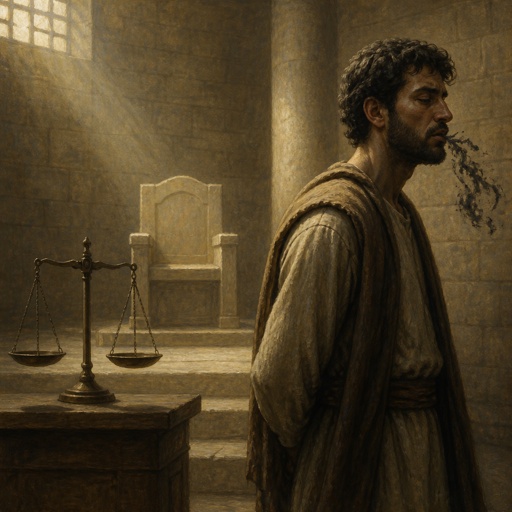
"An ungodly witness scorneth judgment: and the mouth of the wicked devoureth iniquity." - Proverbs 19:28

Proverbs:31:28

Proverbs 28:28 - "When the wicked rise, men hide themselves: but when they perish, the righteous increase."

Proverbs 17:27-28

Proverbs 17:27-28

Proverbs 17:27-28

Ezekiel 28:11-19

Ezekiel 28:11-19

Ezekiel 28:11-19

Ezekiel 28:11-19

Ezekiel 28:11-19

Ezekiel 28:11-19

matthew 28:19

Genesis 28-19

matthew 28:19

Genesis 19-28

Proverbs 12:28 - "In the way of righteousness is life; and in the pathway thereof there is no death."

Proverbs 19:8

Proverbs 19:8

Luke 19:28

Proverbs 30:28 - "The spider taketh hold with her hands, and is in kings' palaces."
![Proverbs 15:28 NIV
[28] The heart of the righteous weighs its answers, but the mouth of the wicked gushes evil.](https://media.bible.art/80457803-46a4-4285-9475-b391d797ab48-thumbnail.jpg)
Proverbs 15:28 NIV [28] The heart of the righteous weighs its answers, but the mouth of the wicked gushes evil.

Proverbs 21:28 - "A false witness shall perish: but the man that heareth speaketh constantly."

Proverbs 14:28 - "In the multitude of people is the king's honour: but in the want of people is the destruction of the prince."

Proverbs 28:4 - "They that forsake the law praise the wicked: but such as keep the law contend with them."

Proverbs 28:21 - "To have respect of persons is not good: for for a piece of bread that man will transgress."

Matthew 28:19-20