What does Proverbs 29:20 mean?
“Seest thou a man that is hasty in his words? there is more hope of a fool than of him.” — Proverbs 29:20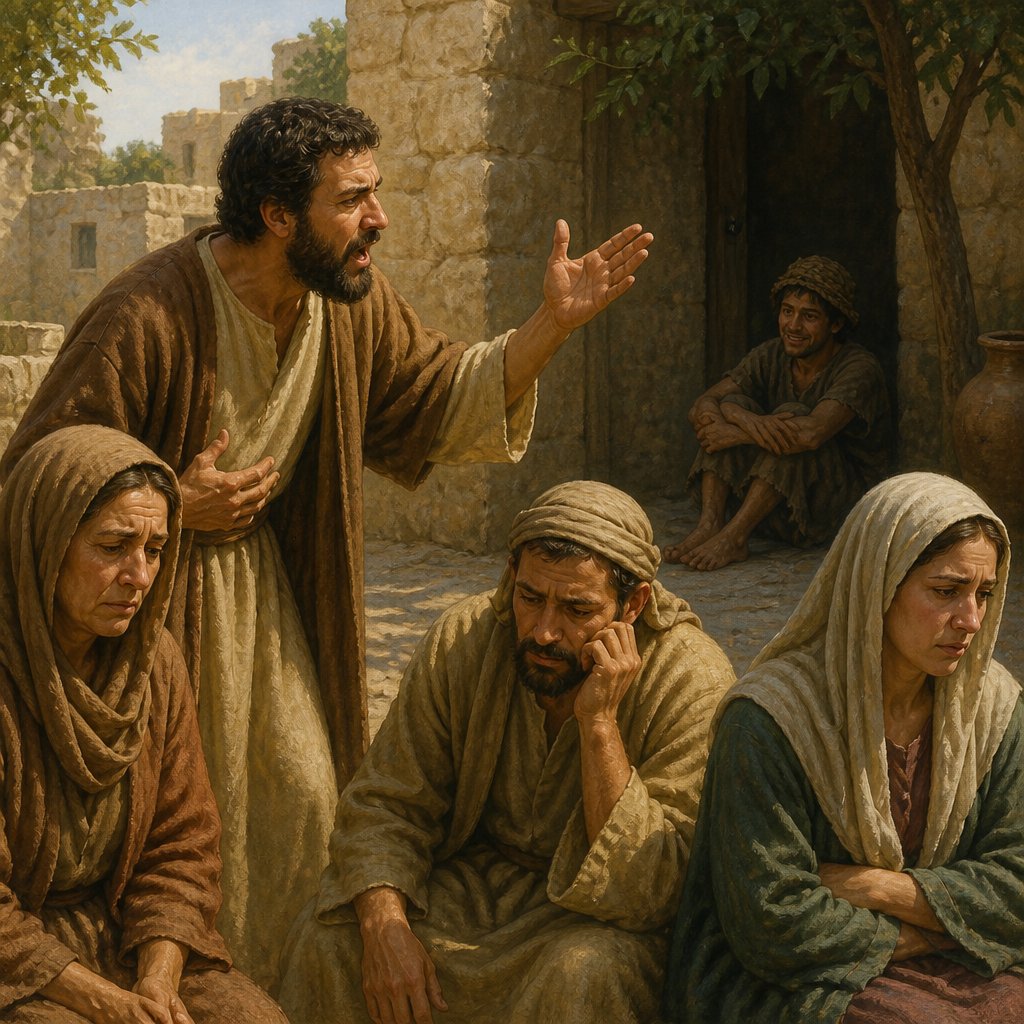
Proverbs 29:20 (KJV) states, "Seest thou a man that is hasty in his words? There is more hope of a fool than of him." This verse is a warning against speaking impulsively and without consideration for the impact of one's words. It exhorts the reader to be mindful of their speech and to exercise caution and wisdom in their communication.
The theme of this verse revolves around the power and impact of words. It emphasizes the importance of using words with intention and thoughtfulness, rather than speaking hastily or without thinking. The verse also implies that a person who is quick to speak may be seen as foolish and lacking in discernment. It warns that such individuals may be less likely to change their ways or learn from their mistakes, making them even more difficult to reason with or guide.
In its historical context, this verse is part of the Book of Proverbs, which is attributed to King Solomon, known for his wisdom. The Book of Proverbs is a collection of teachings and sayings that offer practical advice for living a righteous and wise life. It addresses various aspects of human behavior, relationships, and moral conduct, aiming to guide readers in making wise choices and living according to God's principles.
The symbolism in this verse lies in the contrast between the fool and the hasty speaker. The fool is often used in the Bible as a symbol of someone who lacks wisdom and understanding, whereas the hasty speaker represents someone who acts impulsively and without careful consideration. By juxtaposing these two figures, the verse highlights the negative consequences of speaking rashly and the folly of doing so.
Furthermore, this verse serves as a reminder of the importance of self-control and discernment in communication. It suggests that those who are hasty in their words lack the self-discipline and wisdom necessary for effective communication. It also implies that such individuals may struggle to gain respect and trust from others, as their words may be seen as unreliable and lacking in substance.
From a theological perspective, this verse aligns with the biblical teachings on the power of words and the importance of exercising self-control. The Bible frequently emphasizes the significance of words, emphasizing their ability to build up or tear down, to offer life or bring destruction. Proverbs 18:21 (KJV) states, "Death and life are in the power of the tongue: and they that love it shall eat the fruit thereof," reinforcing the idea that words have profound implications for our lives and the lives of others.
In conclusion, Proverbs 29:20 (KJV) offers a timeless and relevant lesson on the importance of thoughtful and deliberate communication. It urges readers to exercise caution and wisdom in their speech and to avoid speaking impulsively. The verse serves as a reminder of the power and impact of words, and the need for self-discipline and discernment in communication. It encourages humility and self-reflection, as well as an awareness of the consequences of our words. Ultimately, it calls for a commitment to using words for constructive and edifying purposes, in accordance with the teachings of the Bible.
Get our apps


Artwork for Proverbs 29:20

Proverbs 29:20 - "Seest thou a man that is hasty in his words? there is more hope of a fool than of him."

Proverbs 29:20 - "Seest thou a man that is hasty in his words? there is more hope of a fool than of him."

Proverbs 29:20 - "Seest thou a man that is hasty in his words? there is more hope of a fool than of him."
"Seest thou a man that is hasty in his words? there is more hope of a fool than of him." - Proverbs 29:20

Proverbs 20:29 - "The glory of young men is their strength: and the beauty of old men is the gray head."
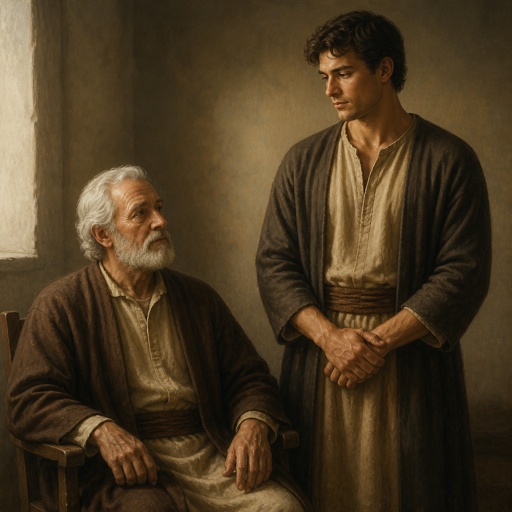
"The glory of young men is their strength: and the beauty of old men is the gray head." - Proverbs 20:29

Proverbs 19:29 - "Judgments are prepared for scorners, and stripes for the back of fools."

Proverbs 1:29 - "For that they hated knowledge, and did not choose the fear of the LORD:"

proverbs 1:20

proverbs 1:20

Proverbs 29:10 - "The bloodthirsty hate the upright: but the just seek his soul."

Proverbs 29:12 - "If a ruler hearken to lies, all his servants are wicked."

Proverbs 29:7 - "The righteous considereth the cause of the poor: but the wicked regardeth not to know it."
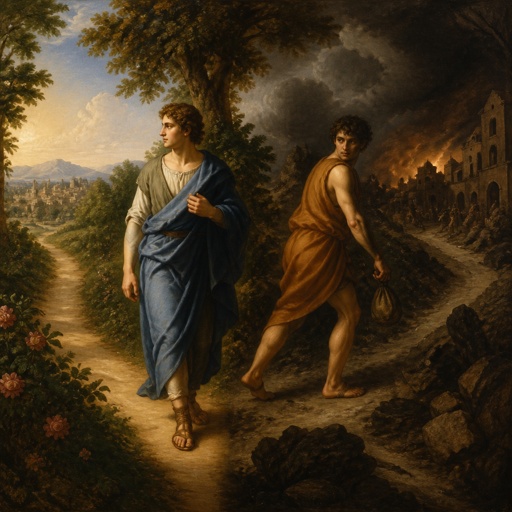
Proverbs 20:24

proverbs 1:20

proverbs 1:20

proverbs 1:20

proverbs 1:20

proverbs 1:20

proverbs 1:20

proverbs 1:20

proverbs 1:20

proverbs 1:20

proverbs 1:20

proverbs 1:20

proverbs 1:20

Proverbs 1:20

proverbs 1:20

proverbs 1:20

proverbs 1:20