What does Proverbs 5:10 mean?
“Lest strangers be filled with thy wealth; and thy labours be in the house of a stranger;” — Proverbs 5:10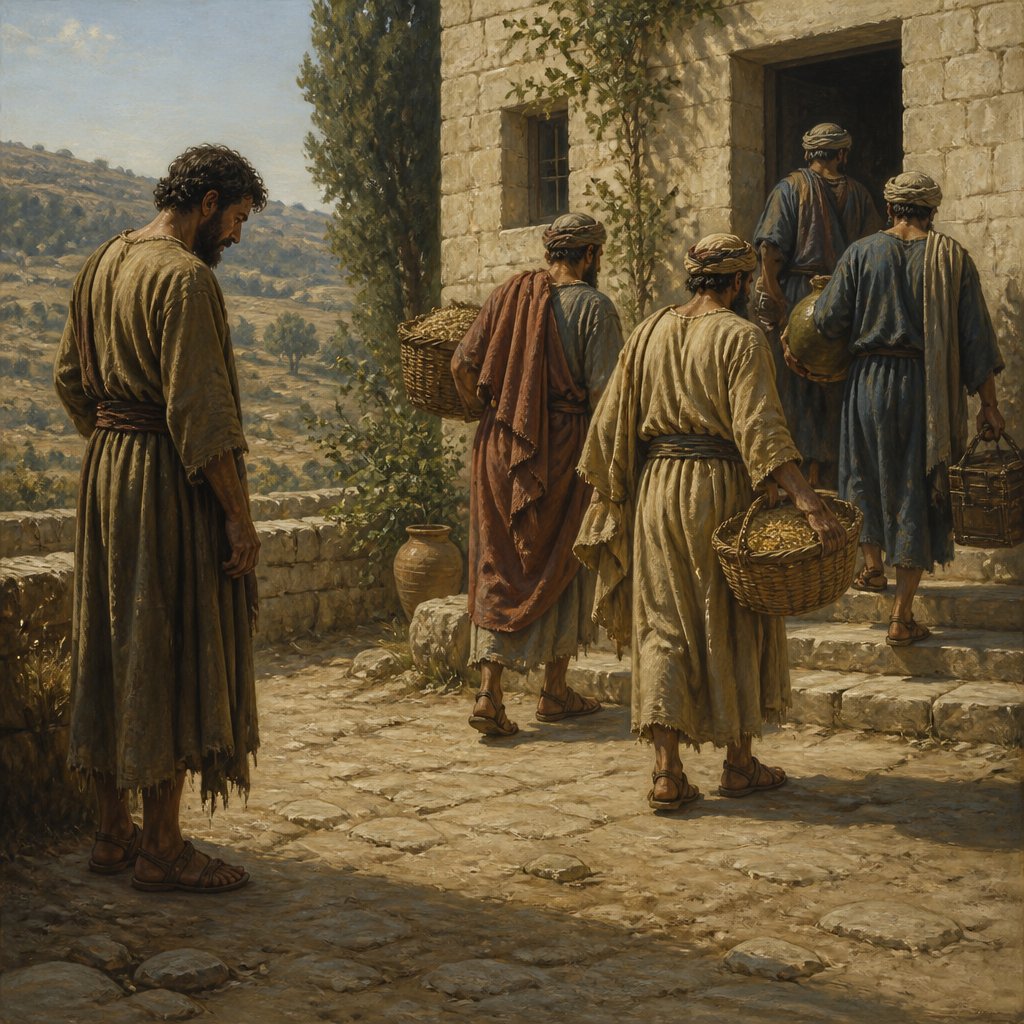
Proverbs 5:10 (KJV) states, "Lest strangers be filled with thy wealth; and thy labours be in the house of a stranger." This verse is part of a passage in the Book of Proverbs that addresses the dangers of adultery and the importance of remaining faithful to one's spouse. In this particular verse, the focus is on the consequences of giving in to temptation and straying from the path of righteousness.
The theme of this verse centers around the idea of the consequences of unfaithfulness, with a specific emphasis on the impact it can have on one's material possessions and labor. The metaphor of "strangers" being filled with one's wealth and labor being in the house of a stranger serves as a warning of the potential loss and suffering that can result from infidelity and unfaithfulness.
In the broader context of Proverbs 5, the passage is a part of a larger warning against the seductive nature of adultery and the importance of remaining faithful to one's spouse. The author of Proverbs advises the reader to listen to wisdom and understanding, and to avoid the temptations of an adulterous woman. The consequences of giving in to these temptations are presented as severe and lasting, with dire effects on one's wealth, reputation, and well-being.
The symbolism in this verse is significant, as it presents the concept of faithfulness and the consequences of straying from that fidelity in tangible terms. The idea of "strangers" filling one's wealth can be understood as representing the loss of control and ownership over one's possessions. It also implies the idea of betrayal, as the wealth that should rightfully belong to oneself and one's family is now in the hands of unknown others.
Furthermore, the mention of one's labors being in the house of a stranger reinforces the theme of betrayal and loss. It suggests that not only will one's possessions be taken by others, but one's efforts and hard work will be in vain, benefiting someone who is not deserving of it.
In a broader symbolic sense, this verse can also be interpreted as a warning against the dangers of straying from one's moral and ethical obligations. The theme of faithfulness extends beyond just marital fidelity and encompasses the idea of remaining true to one's principles and values. The consequences of abandoning these principles are presented as tangible and severe, emphasizing the importance of maintaining righteousness and integrity.
The historical and cultural context of this verse is also important to consider. In the ancient Near Eastern society in which Proverbs was written, adultery was considered a serious offense with far-reaching social and moral implications. The consequences of infidelity were not only personal but also had a significant impact on the family, community, and even the broader society. This verse reflects the values and attitudes of the time, emphasizing the importance of fidelity and the severity of the consequences of unfaithfulness.
In conclusion, Proverbs 5:10 (KJV) is a powerful and cautionary verse that serves as a warning against the dangers of unfaithfulness and the severe consequences that can result from straying from the path of righteousness. The verse utilizes vivid imagery and symbolism to drive home the message of the importance of remaining faithful, both in matters of the heart and in matters of moral and ethical conduct. Its relevance and significance extend beyond the historical and cultural context in which it was written, serving as a timeless reminder of the importance of fidelity and the potential consequences of abandoning it.
Get our apps


Artwork for Proverbs 5:10

Proverbs 5:10 - "Lest strangers be filled with thy wealth; and thy labours be in the house of a stranger;"
"Lest strangers be filled with thy wealth; and thy labours be in the house of a stranger;" - Proverbs 5:10

Proverbs 10:5 - "He that gathereth in summer is a wise son: but he that sleepeth in harvest is a son that causeth shame."

Proverbs 10:4-5 - "He becometh poor that dealeth with a slack hand: but the hand of the diligent maketh rich. He that gathereth in summer is a wise son: but he that sleepeth in harvest is a son that causeth shame."
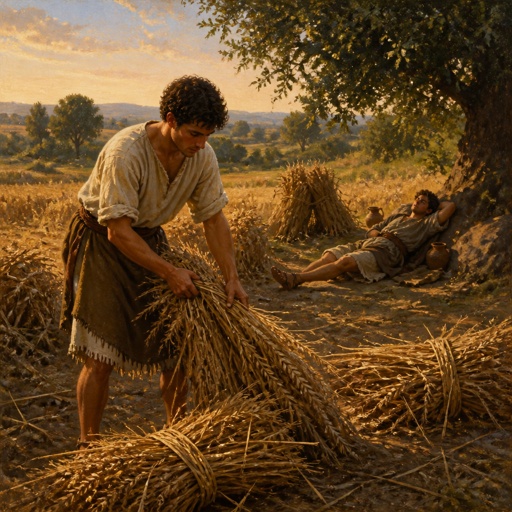
"He that gathereth in summer is a wise son: but he that sleepeth in harvest is a son that causeth shame." - Proverbs 10:5

Proverbs 10

Proverbs 1:5

Proverbs 18 10

Proverbs 18 10

Proverbs 10:10 - "He that winketh with the eye causeth sorrow: but a prating fool shall fall."

Proverbs 1:5

Proverbs 1:5

Proverbs 1:5

Proverbs 1:5

Proverbs 1:5

Proverbs 1:5

Proverbs 1:5

proverbs 5:12

Proverbs 1:5

Proverbs 1:5

proverbs 5:11

Proverbs 1:5

Proverbs 1:5

proverbs 5:12

Proverbs 12:5

Proverbs 10:1 - "The proverbs of Solomon. A wise son maketh a glad father: but a foolish son is the heaviness of his mother."

Proverbs 3:9-10

Proverbs 5:5 - "Her feet go down to death; her steps take hold on hell."

proverbs 5:11-12

Proverbs 3:5-6