What does Proverbs 6:20 mean?
“My son, keep thy father’s commandment, and forsake not the law of thy mother:” — Proverbs 6:20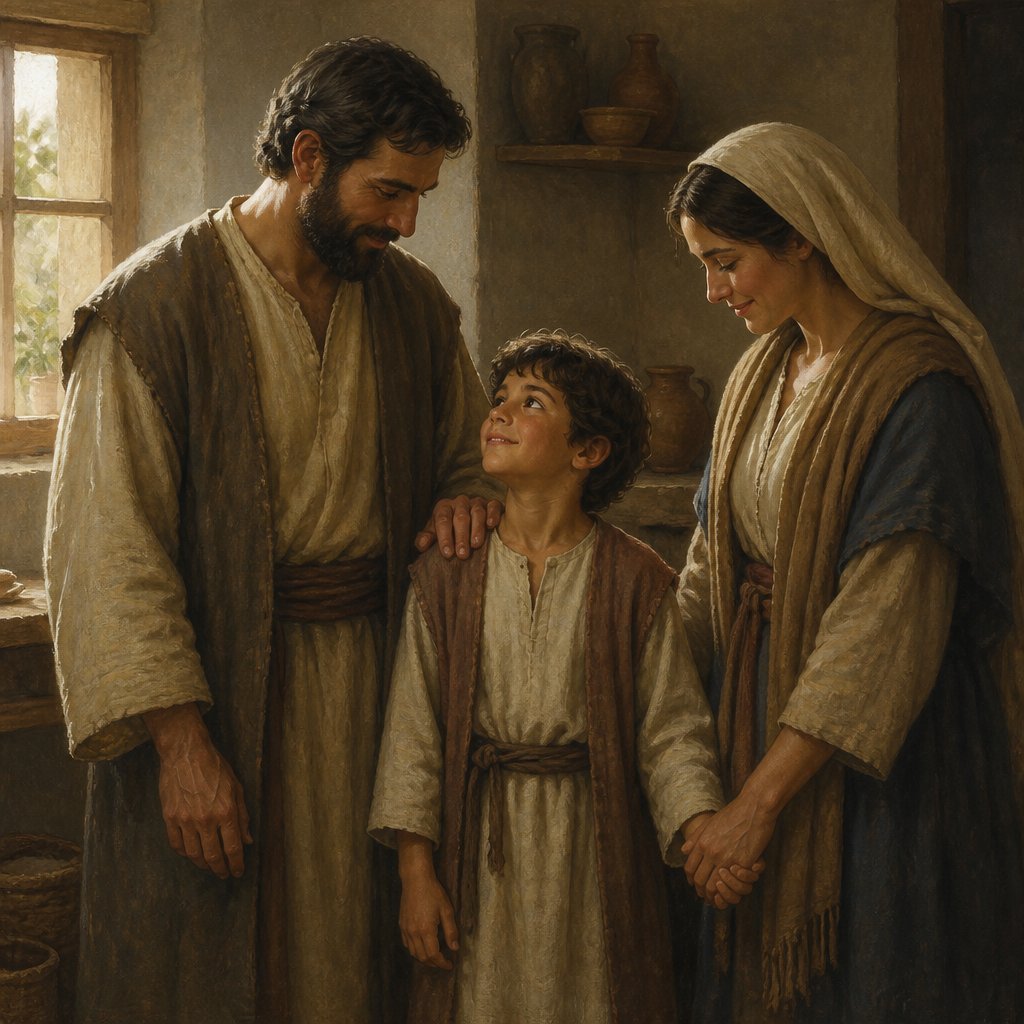
Proverbs 6:20 from the King James Version (KJV) of the Bible reads, "My son, keep thy father's commandment, and forsake not the law of thy mother." This verse is a part of the Book of Proverbs, which is a collection of wisdom literature in the Old Testament often credited to King Solomon. It is a book that offers guidance on how to live a righteous and wise life.
The verse begins with the address "my son," indicating that the writer is speaking to a young man, whom the writer wishes to impart wisdom and guidance. The writer is urging the young man to obey his father's commandment and to not forsake the law of his mother. This verse emphasizes the importance of respecting and obeying one's parents, and implies that doing so leads to a life of wisdom and righteousness.
The theme of honoring and obeying one's parents is a common motif in the Bible, and it reflects the importance of family and tradition in ancient Hebrew culture. In the Old Testament, the fifth of the Ten Commandments instructs children to honor their father and mother. This command carries a promise of long life in the land the Lord has given, illustrating the significance of this principle in the eyes of God.
The use of the term "commandment" in this verse indicates that the father's words should be regarded as serious and important, and should not be taken lightly or disregarded. Similarly, the use of the word "law" in relation to the mother conveys the idea that her guidance and teachings should be honored and upheld. This verse highlights the role of parents in imparting wisdom and guidance to their children, and the responsibility of children to honor and respect their parents.
In a broader sense, this verse can be seen as a metaphor for honoring and obeying God's commandments. The writers of the Bible often use the relationship between parents and children as a framework for understanding the relationship between God and his people. This verse can be seen as an allegory for the relationship between believers and God, with the commandments and laws representing the teachings and instructions found in the Bible.
The context of this verse within the Book of Proverbs is important for understanding its significance. The Book of Proverbs is a collection of sayings and teachings that offer practical wisdom for everyday life. The writers of Proverbs seek to impart moral teachings and guide readers in making wise decisions. This verse fits into the broader theme of seeking wisdom and understanding, and the importance of moral instruction in shaping a righteous and honorable life.
Symbolically, this verse represents the idea of tradition, guidance, and the passing down of wisdom from one generation to the next. The mention of the father's commandment and the law of the mother can be interpreted as a representation of the wisdom and teachings that are passed down from parents to their children. It emphasizes the value of this wisdom and the importance of upholding and preserving it.
In conclusion, Proverbs 6:20 from the King James Version of the Bible carries a message of honoring and obeying one's parents, and by extension, the commandments of God. It emphasizes the role of parents in teaching and guiding their children, and the responsibility of children to respect and obey their parents. This verse is a reminder of the importance of tradition, guidance, and passing down wisdom from one generation to the next, and reflects the broader theme of seeking wisdom and living a righteous life found throughout the Book of Proverbs.
Get our apps


Artwork for Proverbs 6:20
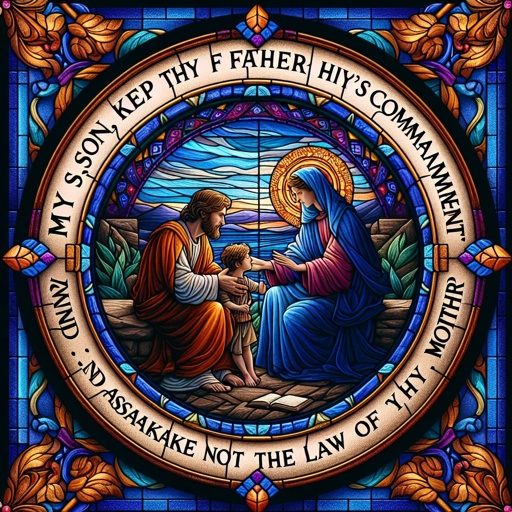
Proverbs 6:20 - "¶ My son, keep thy father's commandment, and forsake not the law of thy mother:"

1. Proverbs 6:20 encourages us to keep our father's command and bind them to our hearts, illustrating the importance of internalizing God's truths.
"¶ My son, keep thy father's commandment, and forsake not the law of thy mother:" - Proverbs 6:20

Proverbs 20:6 - "Most men will proclaim every one his own goodness: but a faithful man who can find?"
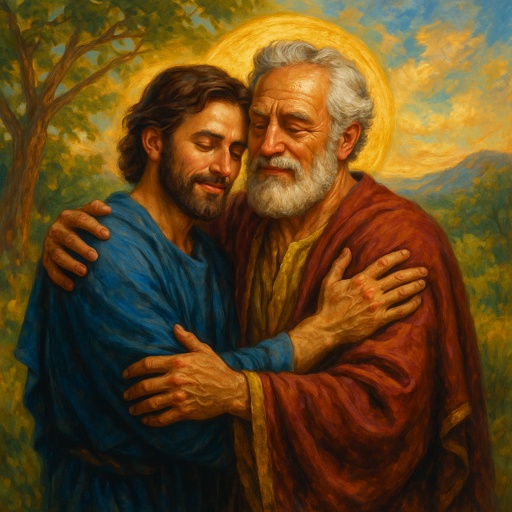
"Most men will proclaim every one his own goodness: but a faithful man who can find?" - Proverbs 20:6

proverbs 1:20

proverbs 1:20
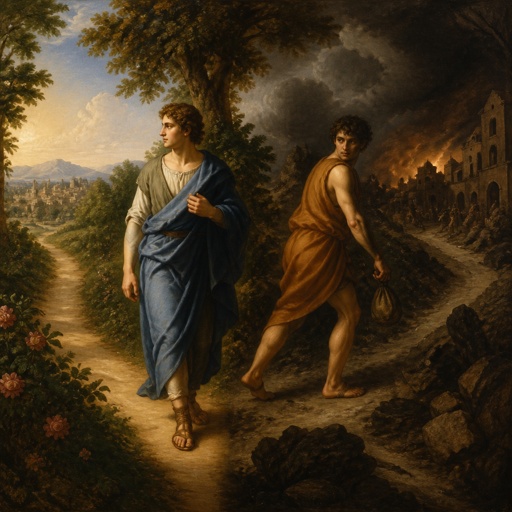
Proverbs 20:24

proverbs 1:20

proverbs 1:20

proverbs 1:20

proverbs 1:20

proverbs 1:20

proverbs 1:20

proverbs 1:20

proverbs 1:20

proverbs 1:20

Proverbs 1:20

proverbs 1:20

proverbs 1:20

proverbs 1:20

proverbs 1:20

proverbs 1:20

proverbs 1:20

proverbs 1:20

proverbs 1:20

Proverbs 26:20

proverbs 1:20

proverbs 1:20

proverbs 1:20