What does Proverbs 6:9 mean?
“How long wilt thou sleep, O sluggard? when wilt thou arise out of thy sleep?” — Proverbs 6:9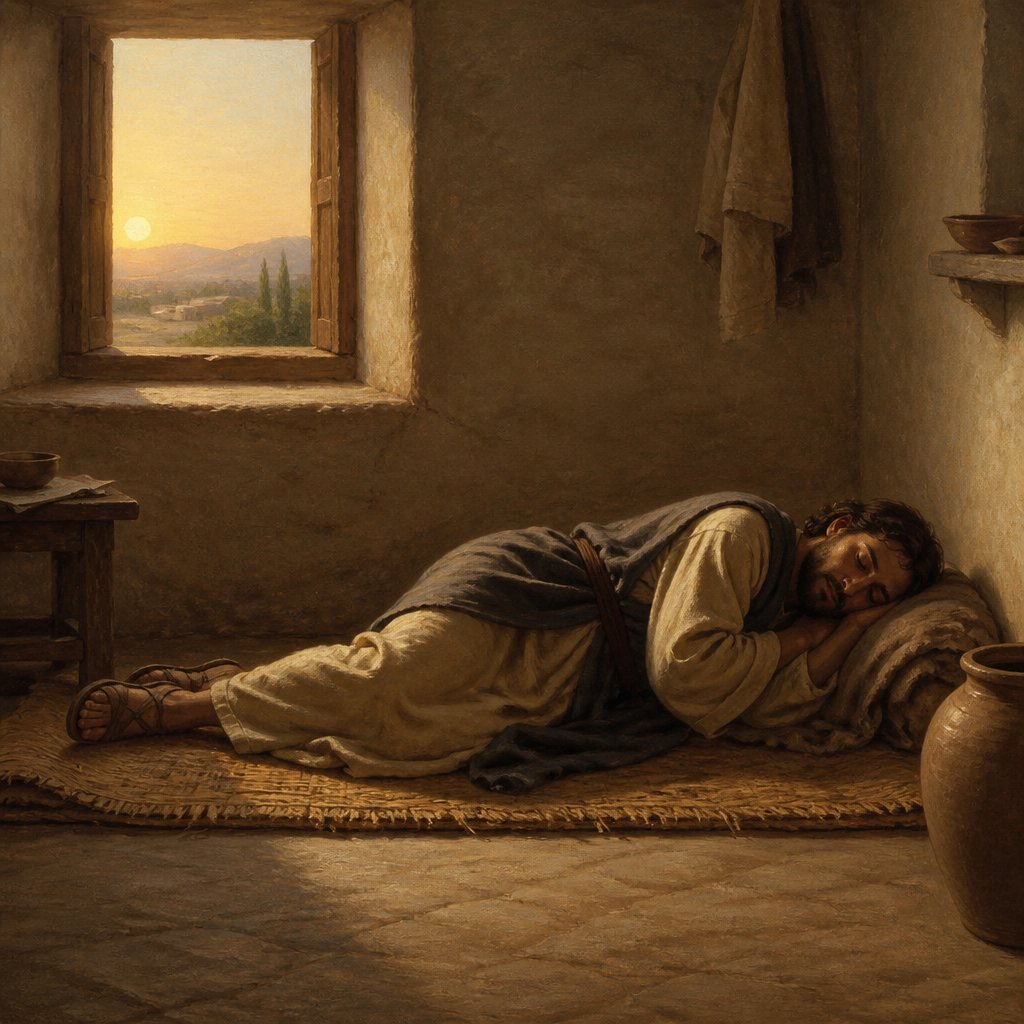
Proverbs 6:9, from the King James Version of the Bible, states, "How long wilt thou sleep, O sluggard? When wilt thou arise out of thy sleep?" This verse is part of a larger passage in the book of Proverbs that is attributed to King Solomon, known for his wisdom. The book of Proverbs is a collection of teachings and practical advice for living a righteous and wise life. This particular verse is addressing the concept of laziness and the consequences of not being diligent and industrious.
The theme of diligence and hard work is a central focus in this verse. The term "sluggard" is used to describe a person who is lazy, unwilling to work, and lacks motivation. The verse is a rhetorical question, expressing disbelief at the lack of initiative and drive in the sluggard. The use of the word "sleep" metaphorically represents a state of inaction and lethargy, emphasizing the consequences of not being productive and using one's time wisely.
The context of this verse is important in understanding its significance within the larger message of the book of Proverbs. Throughout the book, Solomon emphasizes the importance of wisdom, righteousness, and living a virtuous life. Diligence and hard work are seen as essential virtues, while laziness is condemned. Proverbs 6:6-11, the larger passage containing verse 9, uses the example of the ant to illustrate the importance of being diligent and proactive. The ant is portrayed as a model of industriousness, gathering food in the summer and preparing for the winter, while the sluggard is admonished for his lack of foresight and effort.
The symbolism in this verse is powerful as it conveys an important spiritual and moral message. The sluggard represents not only a lack of physical effort but also spiritual lethargy and complacency. The call to "arise out of thy sleep" is a call to action, to awaken from spiritual apathy and to pursue righteousness and wisdom. It is a reminder that God calls us to be active and diligent in our faith, to cultivate a strong relationship with Him and to seek His wisdom.
The verse also speaks to the broader concept of stewardship and responsibility. The sluggard's failure to be productive and responsible with his time and resources is a reflection of poor stewardship. This can be applied to various aspects of life, including work, relationships, and spiritual growth. It serves as a reminder of the importance of using our talents and resources wisely, and not squandering the opportunities placed before us.
Overall, Proverbs 6:9 carries a timeless and universal message about the value of diligence, hard work, and responsibility. It challenges believers to be proactive and industrious, rejecting laziness and complacency. The verse serves as a reminder of the rewards of perseverance and effort, both in the physical and spiritual realms. Ultimately, it urges us to strive for a life of purpose, productivity, and righteousness.
Get our apps


Artwork for Proverbs 6:9

Proverbs 6:9 - "How long wilt thou sleep, O sluggard? when wilt thou arise out of thy sleep?"

Proverbs 6:9-11 - "How long will you lie there, you sluggard? When will you get up from your sleep? A little sleep, a little slumber, a little folding of the hands to rest— and poverty will come on you like a thief and scarcity like an armed man."
"How long wilt thou sleep, O sluggard? when wilt thou arise out of thy sleep?" - Proverbs 6:9
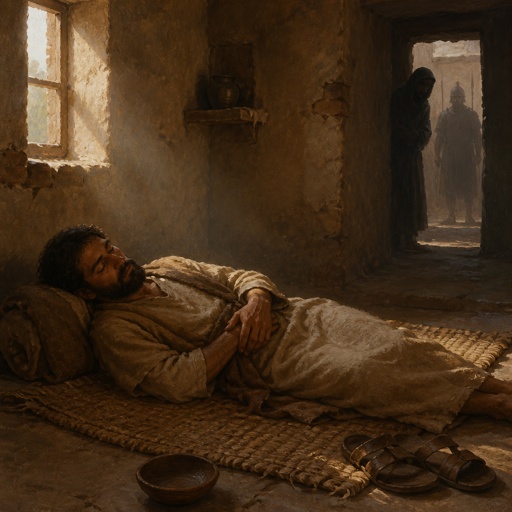
"How long will you lie there, you sluggard? When will you get up from your sleep? A little sleep, a little slumber, a little folding of the hands to rest— and poverty will come on you like a thief and scarcity like an armed man." - Proverbs 6:9-11

Proverbs 9:6 - "Forsake the foolish, and live; and go in the way of understanding."

"Forsake the foolish, and live; and go in the way of understanding." - Proverbs 9:6

Proverbs 1:6

Proverbs 22:9

Proverbs 1:6

Proverbs 1:6

Proverbs 1:6

Proverbs 17:6

Proverbs 1:6

Proverbs 1:6

Proverbs 1:6

Proverbs 6:6 - "¶ Go to the ant, thou sluggard; consider her ways, and be wise:"

Proverbs 3:9-10

Proverbs 3:5-6

Proverbs 3:5-6

Proverbs 9:9 - "Give instruction to a wise man, and he will be yet wiser: teach a just man, and he will increase in learning."

Proverbs 1:6 - "To understand a proverb, and the interpretation; the words of the wise, and their dark sayings."

Proverbs 7:9 - "In the twilight, in the evening, in the black and dark night:"

Proverbs 9:15 - "To call passengers who go right on their ways:"

Proverbs 6:7 - "Which having no guide, overseer, or ruler,"

Proverbs 24:9 - "The thought of foolishness is sin: and the scorner is an abomination to men."

Proverbs 9:13 - "A foolish woman is clamorous: she is simple, and knoweth nothing."

Proverbs 27:6 - "Faithful are the wounds of a friend; but the kisses of an enemy are deceitful."

Proverbs 14:9 - "Fools make a mock at sin: but among the righteous there is favour."

Proverbs 9:10 - "The fear of the LORD is the beginning of wisdom: and the knowledge of the holy is understanding."

Proverbs 9:17 - "Stolen waters are sweet, and bread eaten in secret is pleasant."