What does Psalms 10:7 mean?
“His mouth is full of cursing and deceit and fraud: under his tongue is mischief and vanity.” — Psalms 10:7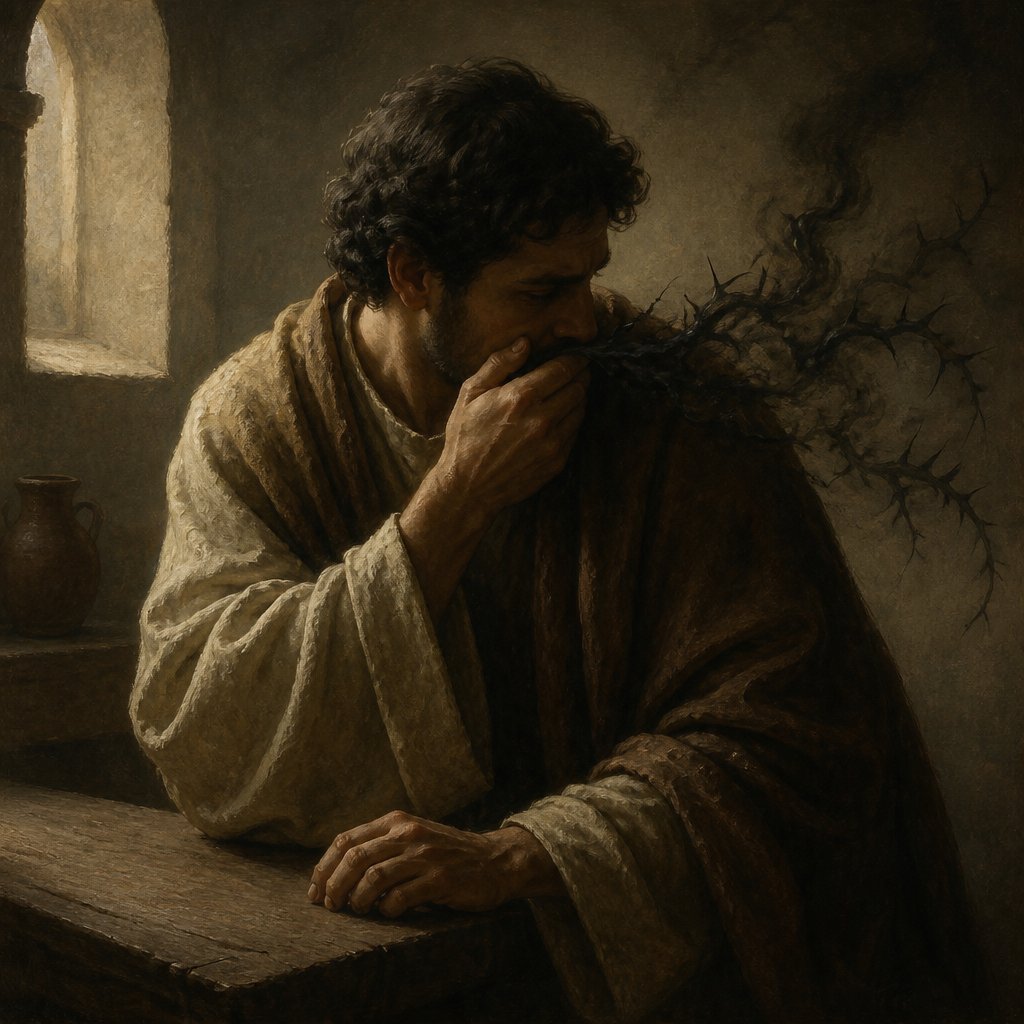
The verse Psalms 10:7 in the King James Version of the Bible reads, "His mouth is full of cursing and deceit and fraud: under his tongue is mischief and vanity." This verse is part of a wider discussion of the actions and behavior of the wicked and the plea for God to intervene and bring justice.
To truly understand the depth and meaning of this verse, it is important to look at the wider context of the entire psalm. Psalm 10 is a lament that expresses the psalmist's distress and confusion over the apparent prosperity of the wicked and their oppression of the poor and helpless. The psalmist cries out to God, asking why He seems distant and uninvolved in the face of such wickedness.
In verse 7, the psalmist focuses on the speech and actions of the wicked. The phrase "His mouth is full of cursing and deceit and fraud" paints a picture of a person who is utterly consumed by wickedness. The words that come out of his mouth are filled with curses, lies, and deceit. This suggests that the wicked person's speech is not grounded in truth or goodness, but rather in malicious intent. The use of the word "full" implies that there is an overwhelming abundance of these negative qualities in the wicked person's speech.
The latter part of the verse, "under his tongue is mischief and vanity," further emphasizes the deceitful and malicious nature of the wicked person. The idea of something being "under the tongue" suggests hidden motives and intentions. It's as though the wicked person is harboring evil thoughts beneath the surface, waiting for the right moment to cause trouble. The use of the words "mischief" and "vanity" further illustrates the emptiness and futility of the wicked person's actions. Their deeds are not fruitful or beneficial but are instead driven by a desire to cause harm or deceive others for their own gain.
In the broader context of the psalm, this verse serves as a condemnation of the wicked and their actions. It underscores the moral and ethical bankruptcy of those who oppress others and act with cruelty and deceit. The verse captures the idea that outward appearances can be deceiving, and true character is revealed in the words and actions of an individual.
Symbolically, the "mouth" in this verse can represent a person's speech and outward expression of their character. The "tongue" can be seen as the hidden motives and intentions that drive a person's actions. This imagery highlights the importance of both internal and external aspects of a person's character, and the idea that true wickedness is not just in the deeds themselves but in the intentions behind them.
The themes in this verse are echoed throughout the Bible, particularly in the wisdom literature and the teachings of the prophets. They underscore the importance of integrity, honesty, and compassion, and the consequences of neglecting these values. The verse also serves as a call for justice and a reminder that God sees the actions and intentions of all individuals, and will ultimately bring about justice for the oppressed and punishment for the wicked.
In summary, Psalms 10:7 in the King James Version of the Bible is a powerful condemnation of the wicked and their deceitful and malicious behavior. It serves as a reminder of the importance of honesty, integrity, and compassion and the consequences of neglecting these values. The verse also highlights the idea that true character is revealed in both the words and actions of an individual, and underscores the need for justice in the face of oppression and wickedness.
Get our apps


Artwork for Psalms 10:7

Psalms 10:7 - "His mouth is full of cursing and deceit and fraud: under his tongue is mischief and vanity."
"His mouth is full of cursing and deceit and fraud: under his tongue is mischief and vanity." - Psalms 10:7

Psalms 7:10 - "My defence is of God, which saveth the upright in heart."

psalms 92:10

psalms 92:10

Psalms 20 7

psalms 92:10

psalms 85:10

psalms 92:10

Psalms 10:10 - "He croucheth, and humbleth himself, that the poor may fall by his strong ones."

psalm 80:1-7

"My defence is of God, which saveth the upright in heart." - Psalms 7:10

Psalm 139:7-10

Psalms 98:7 - "Let the sea roar, and the fulness thereof; the world, and they that dwell therein."

Psalms 30:10 - "Hear, O LORD, and have mercy upon me: LORD, be thou my helper."

Psalms 29:10 (KJVA) 10 The LORD sitteth upon the flood; yea, the LORD sitteth King for ever.

"All sheep and oxen, yea, and the beasts of the field;" - Psalms 8:7

Psalms 12:7 - "Thou shalt keep them, O LORD, thou shalt preserve them from this generation for ever."

Psalms 39:10 - "Remove thy stroke away from me: I am consumed by the blow of thine hand."

"Beasts, and all cattle; creeping things, and flying fowl:" - Psalms 148:10

"Gebal, and Ammon, and Amalek; the Philistines with the inhabitants of Tyre;" - Psalms 83:7

Psalms 16:10 - "For thou wilt not leave my soul in hell; neither wilt thou suffer thine Holy One to see corruption."

psalms 92:10

psalms 92:10

"They kept not the covenant of God, and refused to walk in his law;" - Psalms 78:10

"So shall the congregation of the people compass thee about: for their sakes therefore return thou on high." - Psalms 7:7

Psalms 88:7 - "Thy wrath lieth hard upon me, and thou hast afflicted me with all thy waves. Selah."

psalms 92:10

psalms 92:10

"He sendeth the springs into the valleys, which run among the hills." - Psalms 104:10