What does Psalms 102:20 mean?
“To hear the groaning of the prisoner; to loose those that are appointed to death;” — Psalms 102:20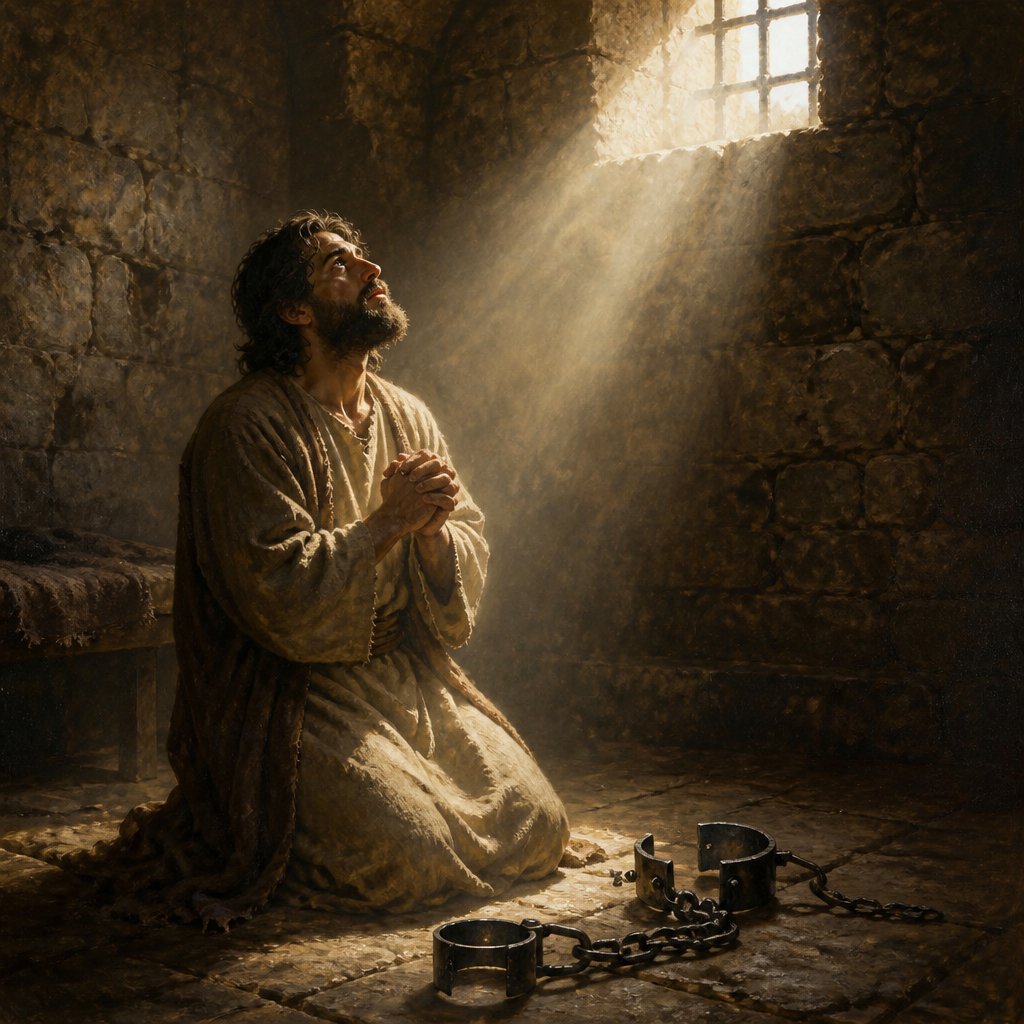
"Psalm 102:20: To hear the groaning of the prisoner; to loose those that are appointed to death;"
This powerful verse from the Book of Psalms captures the profound compassion and mercy of God. It speaks to the Almighty's attentiveness to the suffering of His people and His ability to bring liberation and salvation to those who are in despair. Let us delve deeply into the themes, context, and symbolism of this profound verse.
Context:
The Book of Psalms is a collection of 150 poetic songs and prayers that have been used by the Jewish people and Christians for worship, praise, and lamentation. Psalm 102 is known as a prayer of the afflicted, when he is overwhelmed and pours out his complaint before the Lord. The author of this psalm is unknown, but it is attributed to a person undergoing great suffering and anguish, feeling as though their days are passing away like smoke, and their bones are burned like a hearth.
Themes:
1. Compassion and Mercy: The verse from Psalm 102:20 highlights the compassion and mercy of God towards those who are in distress. It speaks of God's willingness to hear the groaning and cries of the prisoners, and His ability to bring liberation to those who are appointed to death. This theme of compassion and mercy runs throughout the Bible, demonstrating God's empathy and care for His people.
2. Liberation and Salvation: The verse also emphasizes the theme of liberation and salvation. It speaks to God's power to release the captives from their chains and to save those who are appointed to death. This theme is echoed throughout the Bible, especially in the stories of the Israelites' deliverance from slavery in Egypt and in the promise of salvation through Jesus Christ.
Symbolism:
1. The Prisoner: In the verse, the prisoner symbolizes those who are bound by sin, suffering, and oppression. It represents people who are trapped in despair and hopelessness, unable to free themselves from their circumstances. The imagery of the prisoner conveys the idea of captivity and bondage, highlighting the need for deliverance and redemption.
2. Those Appointed to Death: This phrase symbolizes those who are facing imminent destruction or death. It represents individuals who are in dire situations, with seemingly no way out. The notion of being appointed to death suggests a sense of predestined fate, emphasizing the urgency and desperation of their plea for deliverance.
Overall, Psalm 102:20 is a poignant reminder of God's compassion, mercy, and saving power. It offers hope and comfort to those who are enduring hardship, assuring them that God hears their cries and has the ability to set them free from their afflictions. This verse is a source of encouragement for all who are suffering, reminding them that they are not forgotten by their Creator, and that deliverance and salvation are within reach through the grace and love of God.
Get our apps


Artwork for Psalms 102:20

Psalms 102:20 - "To hear the groaning of the prisoner; to loose those that are appointed to death;"
"To hear the groaning of the prisoner; to loose those that are appointed to death;" - Psalms 102:20
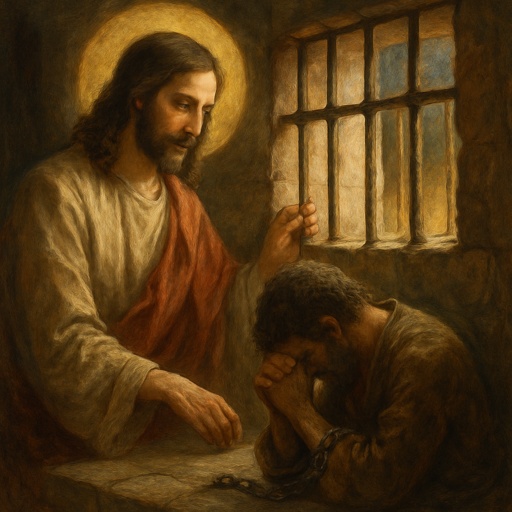
Psalm 102:20

Psalms 102:17 - "He will regard the prayer of the destitute, and not despise their prayer."

Psalms 102:21 - "To declare the name of the LORD in Zion, and his praise in Jerusalem;"

Psalms 102:22 - "When the people are gathered together, and the kingdoms, to serve the LORD."

Psalms 102:7 - "I watch, and am as a sparrow alone upon the house top."

"For my days are consumed like smoke, and my bones are burned as an hearth." - Psalms 102:3

Psalms 102:27 - "But thou art the same, and thy years shall have no end."

"My days are like a shadow that declineth; and I am withered like grass." - Psalms 102:11

Psalms 102:3 - "For my days are consumed like smoke, and my bones are burned as an hearth."

Psalms 102:14 - "For thy servants take pleasure in her stones, and favour the dust thereof."

Psalms 102:23 - "He weakened my strength in the way; he shortened my days."

Psalms 102:5 - "By reason of the voice of my groaning my bones cleave to my skin."

"I am like a pelican of the wilderness: I am like an owl of the desert." - Psalms 102:6

Psalms 102:25 - "Of old hast thou laid the foundation of the earth: and the heavens are the work of thy hands."

Psalms 102:11 - "My days are like a shadow that declineth; and I am withered like grass."

Psalms 119:102 - "I have not departed from thy judgments: for thou hast taught me."

Psalms 102:6 - "I am like a pelican of the wilderness: I am like an owl of the desert."

Psalms 102:28 - "The children of thy servants shall continue, and their seed shall be established before thee."

Psalms 102:9 - "For I have eaten ashes like bread, and mingled my drink with weeping,"

"Of old hast thou laid the foundation of the earth: and the heavens are the work of thy hands." - Psalms 102:25

"I have not departed from thy judgments: for thou hast taught me." - Psalms 119:102

Psalms 102:1 - "Hear my prayer, O LORD, and let my cry come unto thee."

Psalms 102:16 - "When the LORD shall build up Zion, he shall appear in his glory."

Psalms 102:15 - "So the heathen shall fear the name of the LORD, and all the kings of the earth thy glory."

Psalms 102:18 - "This shall be written for the generation to come: and the people which shall be created shall praise the LORD."

Psalms 102:12 - "But thou, O LORD, shalt endure for ever; and thy remembrance unto all generations."

Psalms 102:8 - "Mine enemies reproach me all the day; and they that are mad against me are sworn against me."

Psalms 102:4 - "My heart is smitten, and withered like grass; so that I forget to eat my bread."