What does Psalms 106:15 mean?
“And he gave them their request; but sent leanness into their soul.” — Psalms 106:15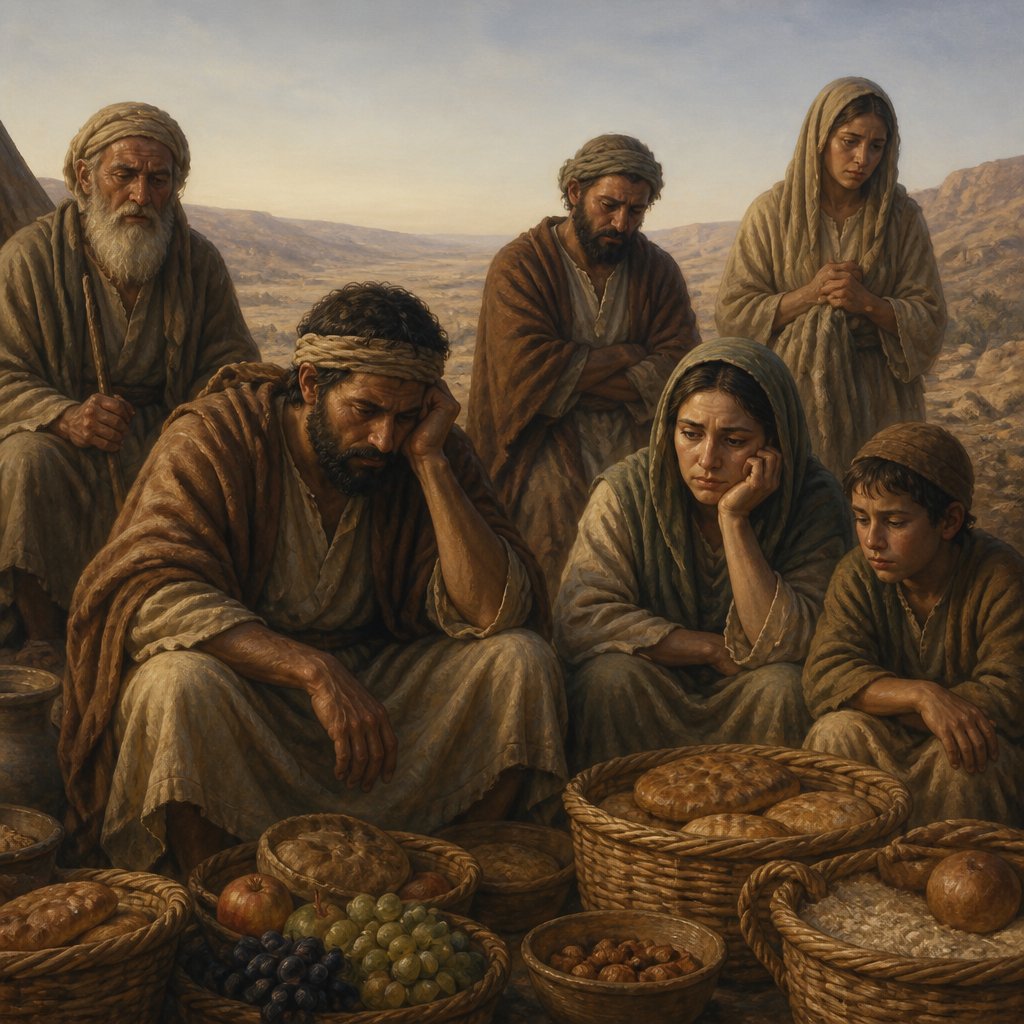
The verse Psalms 106:15 from the King James Version (KJV) of the Bible states, "And he gave them their request, but sent leanness into their soul." This verse is found in the book of Psalms, which is a collection of sacred songs and poems used in worship and praise throughout the history of the Jewish and Christian faiths.
The context of this verse is important in order to fully understand its meaning. The entirety of Psalm 106 recounts the history of the Israelites and their repeated disobedience and rebellion against God. Despite God's faithfulness and mercy towards them, the Israelites continually turned away from Him, worshiped idols, and disobeyed His commandments. The verse in question specifically refers to the Israelites' request for meat while they were wandering in the wilderness.
In Exodus 16, the Israelites complain to Moses and Aaron about the lack of food and express a desire for the meat and bread they had while in Egypt. In response, God provided manna from heaven to sustain them. However, the Israelites continued to grumble and express their discontent, prompting God to send quail to satisfy their desire for meat. This act of provision was in response to their demands, but it also came with consequences.
The verse describes how God fulfilled the Israelites' request for meat, but also brought "leanness into their soul." This phrase denotes the spiritual consequences of their actions - the spiritual emptiness and dissatisfaction that resulted from their persistent disobedience and lack of faith in God's provision. Despite their physical desires being met, their internal hunger for righteousness and contentment remained unfulfilled.
There are several themes and lessons that can be drawn from this verse. One of the overarching themes is the concept of God's faithfulness and mercy in response to human disobedience. Despite the Israelites' continuous rebellion, God continued to provide for their needs and show them compassion. However, this verse also highlights the importance of contentment and trust in God's provision. The Israelites' insatiable desire for more and their lack of gratitude ultimately led to spiritual emptiness and dissatisfaction.
The symbolism in this verse is also significant. The "leanness" that was sent into their souls can be seen as a metaphor for the spiritual consequences of prioritizing worldly desires over a relationship with God. It serves as a warning against the dangers of seeking fulfillment in material things rather than in God himself.
Overall, Psalms 106:15 serves as a reminder of the complex relationship between God's provision and human desires. It underscores the importance of contentment, gratitude, and faith in God's faithfulness, while also warning against the spiritual repercussions of prioritizing worldly desires over a relationship with God. As such, this verse continues to hold relevance for believers today, offering timeless wisdom and guidance for navigating the complexities of the human experience in relation to God.
Get our apps


Artwork for Psalms 106:15

Psalms 106:15 - "And he gave them their request; but sent leanness into their soul."

"And he gave them their request; but sent leanness into their soul." - Psalms 106:15

"Then believed they his words; they sang his praise." - Psalms 106:12

"Yea, they sacrificed their sons and their daughters unto devils," - Psalms 106:37

"They soon forgat his works; they waited not for his counsel:" - Psalms 106:13

"Thus they changed their glory into the similitude of an ox that eateth grass." - Psalms 106:20

"They envied Moses also in the camp, and Aaron the saint of the LORD." - Psalms 106:16

"Yea, they despised the pleasant land, they believed not his word:" - Psalms 106:24

"They did not destroy the nations, concerning whom the LORD commanded them:" - Psalms 106:34

Psalms 106:14 - "But lusted exceedingly in the wilderness, and tempted God in the desert."

Psalms 106:19 - "They made a calf in Horeb, and worshipped the molten image."

Psalms 106:35 - "But were mingled among the heathen, and learned their works."

"Wondrous works in the land of Ham, and terrible things by the Red sea." - Psalms 106:22

"The earth opened and swallowed up Dathan, and covered the company of Abiram." - Psalms 106:17

Psalms 106:37 - "Yea, they sacrificed their sons and their daughters unto devils,"

Psalms 106:12 - "Then believed they his words; they sang his praise."

Psalms 106:11 - "And the waters covered their enemies: there was not one of them left."

Psalms 106:25 - "But murmured in their tents, and hearkened not unto the voice of the LORD."

Psalms 106:20 - "Thus they changed their glory into the similitude of an ox that eateth grass."

Psalms 106:13 - "They soon forgat his works; they waited not for his counsel:"

Psalms 106:36 - "And they served their idols: which were a snare unto them."

"Then stood up Phinehas, and executed judgment: and so the plague was stayed." - Psalms 106:30

"They forgat God their saviour, which had done great things in Egypt;" - Psalms 106:21

"They joined themselves also unto Baal-peor, and ate the sacrifices of the dead." - Psalms 106:28

Psalms 106:16 - "They envied Moses also in the camp, and Aaron the saint of the LORD."

Psalms 106:18 - "And a fire was kindled in their company; the flame burned up the wicked."

Psalms 106:24 - "Yea, they despised the pleasant land, they believed not his word:"

Psalms 106:31 - "And that was counted unto him for righteousness unto all generations for evermore."

Psalms 106:30 - "Then stood up Phinehas, and executed judgment: and so the plague was stayed."

Psalms 106:27 - "To overthrow their seed also among the nations, and to scatter them in the lands."