What does Psalms 106:24 mean?
“Yea, they despised the pleasant land, they believed not his word:” — Psalms 106:24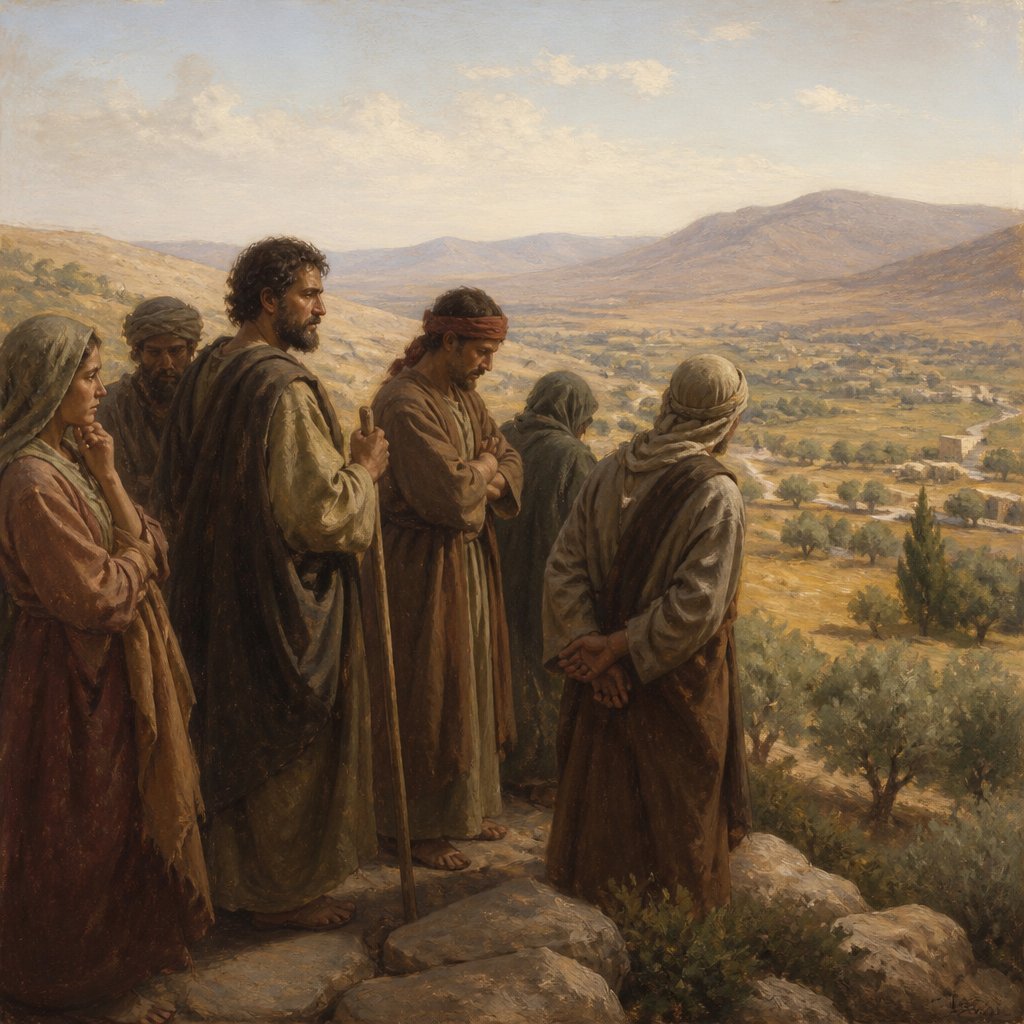
Psalms 106:24 in the King James Version of the Bible reads: "Yea, they despised the pleasant land, they believed not his word." This verse is found within the context of a psalm that recounts the history of the Israelites and their repeated disobedience and faithlessness towards God. The psalmist remembers the ways in which the Israelites rebelled against God, despite his faithfulness and miracles on their behalf.
The verse in question, Psalms 106:24, captures a moment in the Israelites' journey from Egypt to the promised land. Specifically, it refers to the incident when the Israelites sent spies into the promised land, but upon hearing the reports of the giants and strong nations living there, they were filled with fear and doubt. Instead of trusting in God's promise to give them the land, they expressed their lack of faith by despising the land and not believing in God's word.
The verse highlights the theme of faith and obedience, as well as the consequences of disobedience and unbelief. The "pleasant land" represents the promised land, Canaan, which God had assured the Israelites. This land was described in the book of Deuteronomy as "a land flowing with milk and honey" (Deuteronomy 26:9) and was meant to be a place of rest and abundance for God's chosen people. However, the Israelites' lack of faith and their disdain for the promised land demonstrated their ungratefulness and unwillingness to trust in God's provision.
The Israelites' disbelief in God's word reflects a recurring pattern throughout their history, where they would often doubt God's promises and turn away from him to pursue their own desires. This lack of faith ultimately led to their wandering in the wilderness for forty years before they were able to enter the promised land. Psalms 106:24 serves as a reminder of the consequences of unbelief and the importance of trusting in God's word.
This verse also points to the broader theme of God's faithfulness and the Israelites' unfaithfulness. Despite their disobedience and lack of faith, God continued to show mercy and grace towards the Israelites, ultimately fulfilling his promise to give them the land. The verse serves as a cautionary tale, warning future generations of the dangers of unbelief and the importance of remaining faithful to God.
Furthermore, the verse serves as a call to repentance, as the psalmist recounts the Israelites' disobedience in the preceding verses. The psalm is a plea for God's forgiveness and restoration, acknowledging the sins of the past and seeking reconciliation with God. Psalms 106:24, in this context, underscores the need for repentance and a return to trusting in God's word.
Symbolically, the verse can also be interpreted as a representation of the human condition. Just as the Israelites struggled with faith and obedience, so too do modern-day believers. The "pleasant land" can be seen as a metaphor for the promised blessings and abundance that God offers to those who trust in him. The Israelites' disbelief and rejection of this land serves as a cautionary tale for believers to not fall into the same trap of unbelief, but rather to trust in God's word and remain faithful to his promises.
In conclusion, Psalms 106:24 is a powerful reminder of the importance of faith and obedience. The verse serves as a cautionary tale of the consequences of unbelief and the need for repentance and reconciliation with God. It also highlights the theme of God's faithfulness and the human struggle with faith. Ultimately, it calls believers to trust in God's word and remain steadfast in their faith.
Get our apps


Artwork for Psalms 106:24

Psalms 106:24 - "Yea, they despised the pleasant land, they believed not his word:"

"Yea, they despised the pleasant land, they believed not his word:" - Psalms 106:24

"Then believed they his words; they sang his praise." - Psalms 106:12

"Yea, they sacrificed their sons and their daughters unto devils," - Psalms 106:37

"They soon forgat his works; they waited not for his counsel:" - Psalms 106:13

"Thus they changed their glory into the similitude of an ox that eateth grass." - Psalms 106:20

"They envied Moses also in the camp, and Aaron the saint of the LORD." - Psalms 106:16

"And he gave them their request; but sent leanness into their soul." - Psalms 106:15

"They did not destroy the nations, concerning whom the LORD commanded them:" - Psalms 106:34

Psalms 106:14 - "But lusted exceedingly in the wilderness, and tempted God in the desert."

Psalms 106:19 - "They made a calf in Horeb, and worshipped the molten image."

Psalms 106:35 - "But were mingled among the heathen, and learned their works."

"Wondrous works in the land of Ham, and terrible things by the Red sea." - Psalms 106:22

"The earth opened and swallowed up Dathan, and covered the company of Abiram." - Psalms 106:17

Psalms 106:37 - "Yea, they sacrificed their sons and their daughters unto devils,"

Psalms 106:12 - "Then believed they his words; they sang his praise."

Psalms 106:11 - "And the waters covered their enemies: there was not one of them left."

Psalms 106:25 - "But murmured in their tents, and hearkened not unto the voice of the LORD."

Psalms 106:20 - "Thus they changed their glory into the similitude of an ox that eateth grass."

Psalms 106:13 - "They soon forgat his works; they waited not for his counsel:"

Psalms 106:36 - "And they served their idols: which were a snare unto them."

"Then stood up Phinehas, and executed judgment: and so the plague was stayed." - Psalms 106:30

"They forgat God their saviour, which had done great things in Egypt;" - Psalms 106:21

"They joined themselves also unto Baal-peor, and ate the sacrifices of the dead." - Psalms 106:28

Psalms 106:16 - "They envied Moses also in the camp, and Aaron the saint of the LORD."

Psalms 106:15 - "And he gave them their request; but sent leanness into their soul."

Psalms 106:18 - "And a fire was kindled in their company; the flame burned up the wicked."

Psalms 106:31 - "And that was counted unto him for righteousness unto all generations for evermore."

Psalms 106:30 - "Then stood up Phinehas, and executed judgment: and so the plague was stayed."

Psalms 106:27 - "To overthrow their seed also among the nations, and to scatter them in the lands."