What does Psalms 106:46 mean?
“He made them also to be pitied of all those that carried them captives.” — Psalms 106:46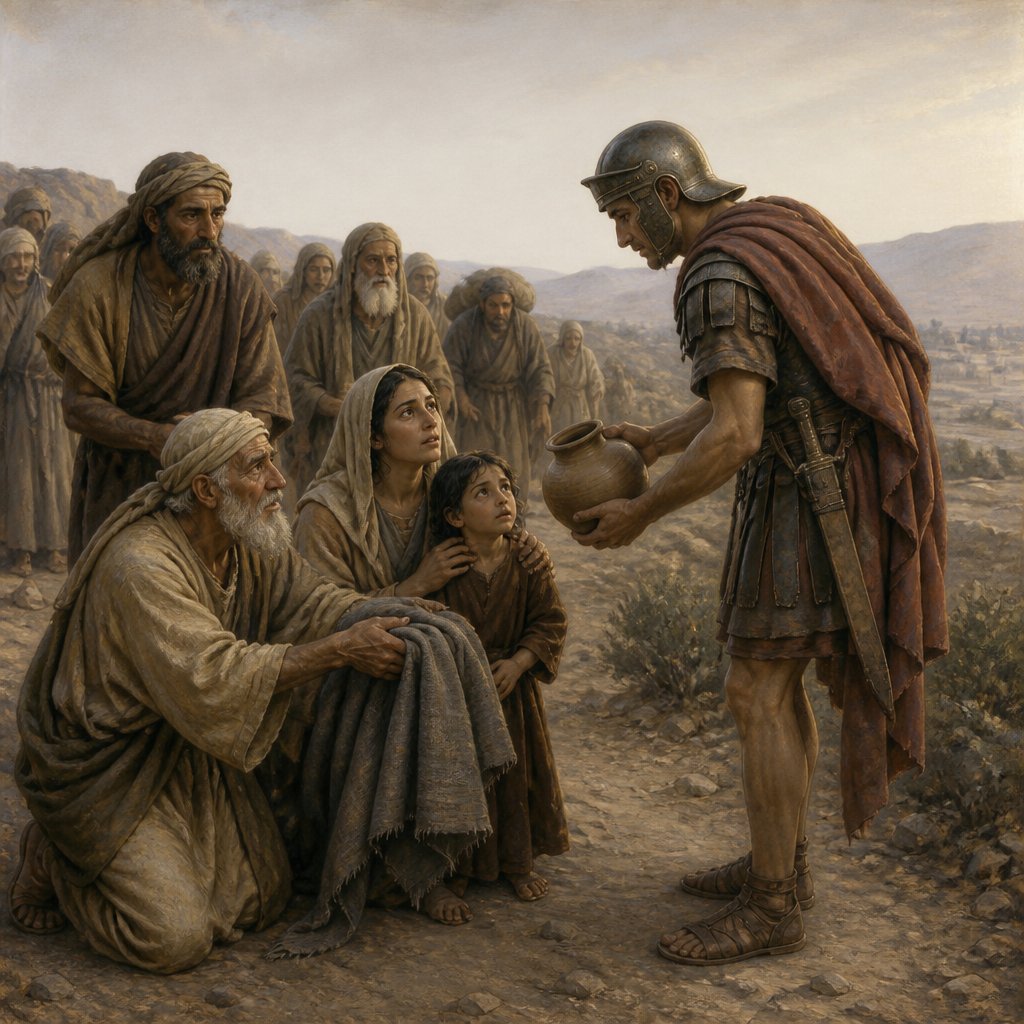
Psalm 106:46 in the King James Version of the Bible reads, "He made them also to be pitied of all those that carried them captives." This verse is found within the larger context of Psalm 106, which is a prayer for forgiveness and restoration for the nation of Israel. The psalmist recounts the history of Israel's disobedience and unfaithfulness to God, and pleads for God's mercy and intervention.
The theme of captivity and deliverance is a prevalent and powerful motif throughout the Bible, and Psalm 106:46 speaks to this theme by conveying the idea of God's intervention on behalf of His people. This particular verse refers to God causing the captors of Israel to show compassion and pity towards them. It is a reminder of God's sovereignty and His ability to soften the hearts of those who oppress His people.
The historical context of Psalm 106 is also important to understanding the meaning of this verse. The psalm recounts the many times the Israelites rebelled against God during their time in the wilderness and in the Promised Land. They turned to idolatry, grumbled and complained, and forgot the miraculous works of God on their behalf. As a result, they faced various forms of captivity and oppression at the hands of their enemies.
Psalm 106:46 reflects the plea of the psalmist for God to intervene and bring about a change in the hearts of those who held Israel captive. It acknowledges the power of God to turn the hearts of individuals and nations, and the psalmist acknowledges God's ability to bring about deliverance through unexpected means. This verse demonstrates the psalmist's firm belief in God's ultimate control over the affairs of humanity and His ability to bring about justice and mercy for His people.
In addition to the immediate historical context, Psalm 106:46 also holds symbolic significance within the larger narrative of the Bible. The theme of captivity and deliverance is a recurring motif throughout the Old Testament, pointing to the spiritual reality of humanity's bondage to sin and God's ultimate deliverance through Christ. This verse, then, can be seen as a foreshadowing of God's ultimate intervention in the person of Jesus Christ, who came to set His people free from the captivity of sin and death.
The psalmist's plea for God to cause the captors of Israel to show compassion can also be understood as a reflection of the broader biblical narrative of God's mercy and love for all people. Despite Israel's disobedience, God's ultimate desire is for the reconciliation and restoration of all nations. This verse serves as a reminder that God's redemptive work extends beyond the boundaries of a single nation and encompasses all of humanity.
In conclusion, Psalm 106:46 captures the theme of captivity and deliverance within the specific historical context of Israel's disobedience and oppression. It also holds symbolic significance within the broader biblical narrative of God's ultimate intervention and deliverance through Christ. This verse serves as a powerful reminder of God's sovereignty, mercy, and His ability to bring about justice and redemption for His people.
Get our apps


Artwork for Psalms 106:46

Psalms 106:46 - "He made them also to be pitied of all those that carried them captives."
"He made them also to be pitied of all those that carried them captives." - Psalms 106:46

"Then believed they his words; they sang his praise." - Psalms 106:12

"Yea, they sacrificed their sons and their daughters unto devils," - Psalms 106:37

"They soon forgat his works; they waited not for his counsel:" - Psalms 106:13

"Thus they changed their glory into the similitude of an ox that eateth grass." - Psalms 106:20

"They envied Moses also in the camp, and Aaron the saint of the LORD." - Psalms 106:16

"Yea, they despised the pleasant land, they believed not his word:" - Psalms 106:24

"And he gave them their request; but sent leanness into their soul." - Psalms 106:15

"They did not destroy the nations, concerning whom the LORD commanded them:" - Psalms 106:34

Psalms 106:19 - "They made a calf in Horeb, and worshipped the molten image."

Psalms 106:14 - "But lusted exceedingly in the wilderness, and tempted God in the desert."

Psalms 106:35 - "But were mingled among the heathen, and learned their works."

"Wondrous works in the land of Ham, and terrible things by the Red sea." - Psalms 106:22

"The earth opened and swallowed up Dathan, and covered the company of Abiram." - Psalms 106:17

Psalms 106:37 - "Yea, they sacrificed their sons and their daughters unto devils,"

Psalms 106:11 - "And the waters covered their enemies: there was not one of them left."

Psalms 106:12 - "Then believed they his words; they sang his praise."

Psalms 106:25 - "But murmured in their tents, and hearkened not unto the voice of the LORD."

Psalms 106:20 - "Thus they changed their glory into the similitude of an ox that eateth grass."

Psalms 106:13 - "They soon forgat his works; they waited not for his counsel:"

Psalms 106:36 - "And they served their idols: which were a snare unto them."

"Then stood up Phinehas, and executed judgment: and so the plague was stayed." - Psalms 106:30

"They forgat God their saviour, which had done great things in Egypt;" - Psalms 106:21

Psalms 106:16 - "They envied Moses also in the camp, and Aaron the saint of the LORD."

Psalms 106:18 - "And a fire was kindled in their company; the flame burned up the wicked."

Psalms 106:15 - "And he gave them their request; but sent leanness into their soul."

Psalms 106:24 - "Yea, they despised the pleasant land, they believed not his word:"

"They joined themselves also unto Baal-peor, and ate the sacrifices of the dead." - Psalms 106:28

Psalms 106:31 - "And that was counted unto him for righteousness unto all generations for evermore."