What does Psalms 109:12 mean?
“Let there be none to extend mercy unto him: neither let there be any to favour his fatherless children.” — Psalms 109:12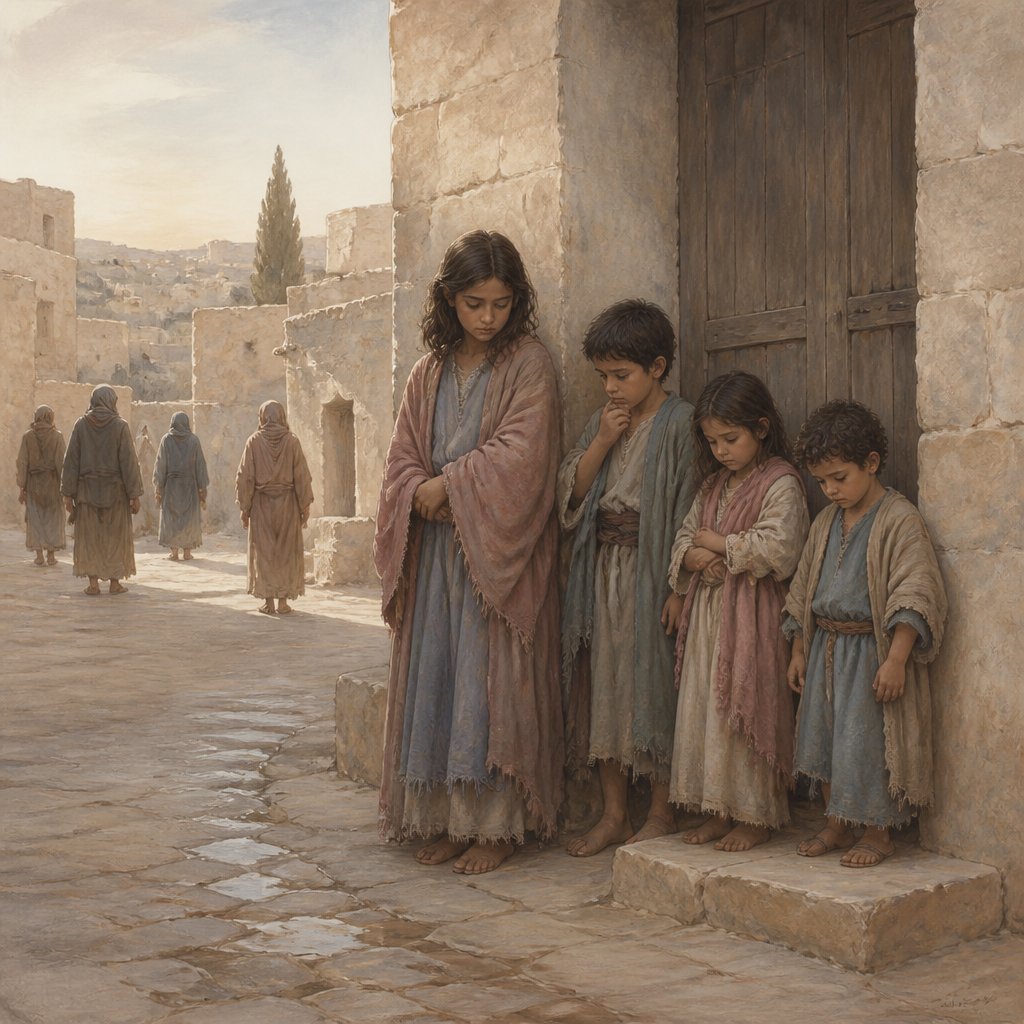
Psalms 109:12 in the King James Version (KJV) reads, "Let there be none to extend mercy unto him: neither let there be any to favour his fatherless children." This verse is part of Psalm 109, which is a lament of David in the form of a prayer for deliverance from his enemies. The psalm is marked by its intense language and a desire for God to enact justice on behalf of the psalmist.
In order to understand the full meaning and context of this verse, it is essential to consider the themes and symbolism present in Psalm 109 as a whole. The psalm begins with David expressing his anguish over the actions of his enemies, who have rewarded his love with hatred and have falsely accused him. He cries out to God for help, asking for justice and retribution against his adversaries. Throughout the psalm, there is a pervasive sense of betrayal and despair, as David laments the actions of those who have turned against him.
In verse 12, David's plea takes a particularly harsh turn as he calls for the absence of mercy and favor toward his enemies and their fatherless children. This request is an expression of David's deep distress and desire for retribution. He is asking that his enemies receive the same lack of mercy and compassion that they have shown to him, and that their children be left without support or protection.
The theme of justice and retribution is central to this verse and the entire psalm. David is asking God to mete out punishment to his enemies in response to their unjust treatment of him. This theme is a recurring one in the book of Psalms, as many of the psalmists cry out to God for deliverance from their enemies and vindication in the face of oppression. This verse, in particular, captures the heightened emotion and fervent desire for justice that is present throughout the psalm.
The symbolism in this verse lies in the contrast between mercy and lack of mercy, and favor and lack of favor. David is using these concepts to emphasize the severity of the treatment he has received from his enemies and the depth of his own suffering. By invoking the image of fatherless children, he is also emphasizing the vulnerability and helplessness of those who would be impacted by the absence of mercy and favor. This serves to underscore the seriousness of his plea and the extent of the injustice he has experienced.
In modern times, this verse may be challenging for some readers due to its harsh language and the desire for retribution. However, it is important to view this verse in the context of the psalm as a whole and the specific circumstances of David's life. The intense emotions and fervent pleas for justice expressed in this psalm are a reflection of the very real struggles and trials that David faced. His prayer is an honest and raw expression of his pain and the depth of his need for God's intervention.
Ultimately, Psalm 109:12 is a plea for justice and retribution in the face of betrayal and persecution. It serves as a reminder of the human experience of suffering and the desire for vindication in the face of injustice. It also demonstrates the psalmist's trust in God's ability to bring about justice and deliverance. As readers engage with this verse, they are encouraged to consider the themes of justice, mercy, and the human experience of suffering, as well as the power of prayer and trust in God's sovereign rule.
Get our apps


Artwork for Psalms 109:12

Psalms 109:12 - "Let there be none to extend mercy unto him: neither let there be any to favour his fatherless children."
"Let there be none to extend mercy unto him: neither let there be any to favour his fatherless children." - Psalms 109:12
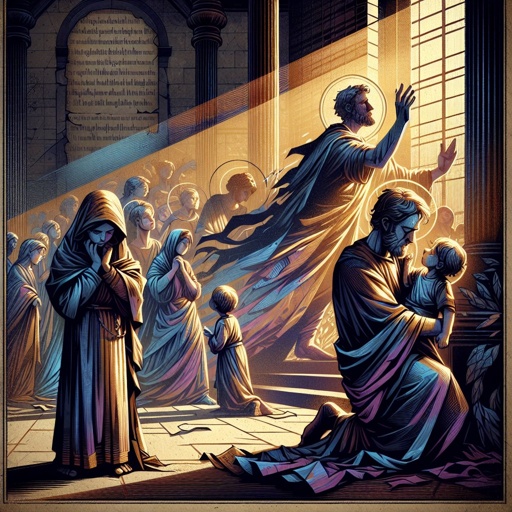
Psalms 109:9 - "Let his children be fatherless, and his wife a widow."

Psalms 109:1 - "Hold not thy peace, O God of my praise;"

Psalms 109:22 - "For I am poor and needy, and my heart is wounded within me."

Psalms 109:4 - "For my love they are my adversaries: but I give myself unto prayer."
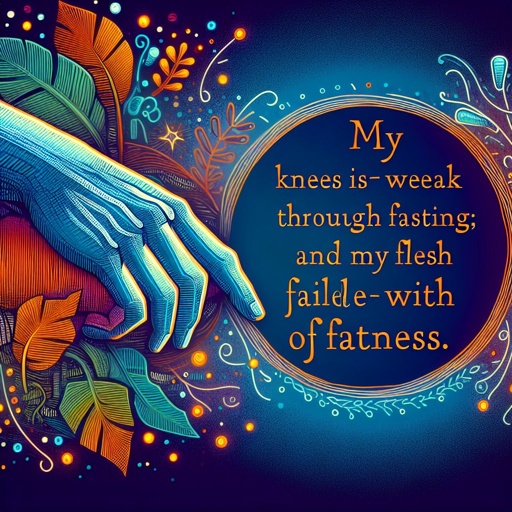
Psalms 109:24 - "My knees are weak through fasting; and my flesh faileth of fatness."

Psalms 109:8 - "Let his days be few; and let another take his office."

Psalms 109:5 - "And they have rewarded me evil for good, and hatred for my love."

Psalms 109:27 - "That they may know that this is thy hand; that thou, LORD, hast done it."

Psalms 109:11 - "Let the extortioner catch all that he hath; and let the strangers spoil his labour."

Psalms 119:109 - "My soul is continually in my hand: yet do I not forget thy law."

Psalms 109:13 - "Let his posterity be cut off; and in the generation following let their name be blotted out."

Psalms 109:26 - "Help me, O LORD my God: O save me according to thy mercy:"

Psalms 109:29 - "Let mine adversaries be clothed with shame, and let them cover themselves with their own confusion, as with a mantle."

Psalms 109:3 - "They compassed me about also with words of hatred; and fought against me without a cause."

Psalms 109:15 - "Let them be before the LORD continually, that he may cut off the memory of them from the earth."
Psalms 109:7 - "When he shall be judged, let him be condemned: and let his prayer become sin."

Psalms 109:25 - "I became also a reproach unto them: when they looked upon me they shaked their heads."

Psalms 109:30 - "I will greatly praise the LORD with my mouth; yea, I will praise him among the multitude."
Psalms 109:14 - "Let the iniquity of his fathers be remembered with the LORD; and let not the sin of his mother be blotted out."

Psalms 109:6 - "Set thou a wicked man over him: and let Satan stand at his right hand."

Psalms 109:19 - "Let it be unto him as the garment which covereth him, and for a girdle wherewith he is girded continually."

Psalms 109:20 - "Let this be the reward of mine adversaries from the LORD, and of them that speak evil against my soul."

"Help me, O LORD my God: O save me according to thy mercy:" - Psalms 109:26
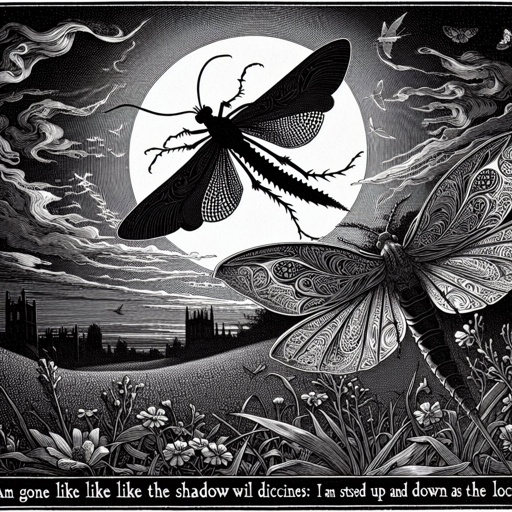
Psalms 109:23 - "I am gone like the shadow when it declineth: I am tossed up and down as the locust."

Psalms 109:2 - "For the mouth of the wicked and the mouth of the deceitful are opened against me: they have spoken against me with a lying tongue."

Psalms 109:31 - "For he shall stand at the right hand of the poor, to save him from those that condemn his soul."

Psalms 109:10 - "Let his children be continually vagabonds, and beg: let them seek their bread also out of their desolate places."

"Let mine adversaries be clothed with shame, and let them cover themselves with their own confusion, as with a mantle." - Psalms 109:29