What does Psalms 109:25 mean?
“I became also a reproach unto them: when they looked upon me they shaked their heads.” — Psalms 109:25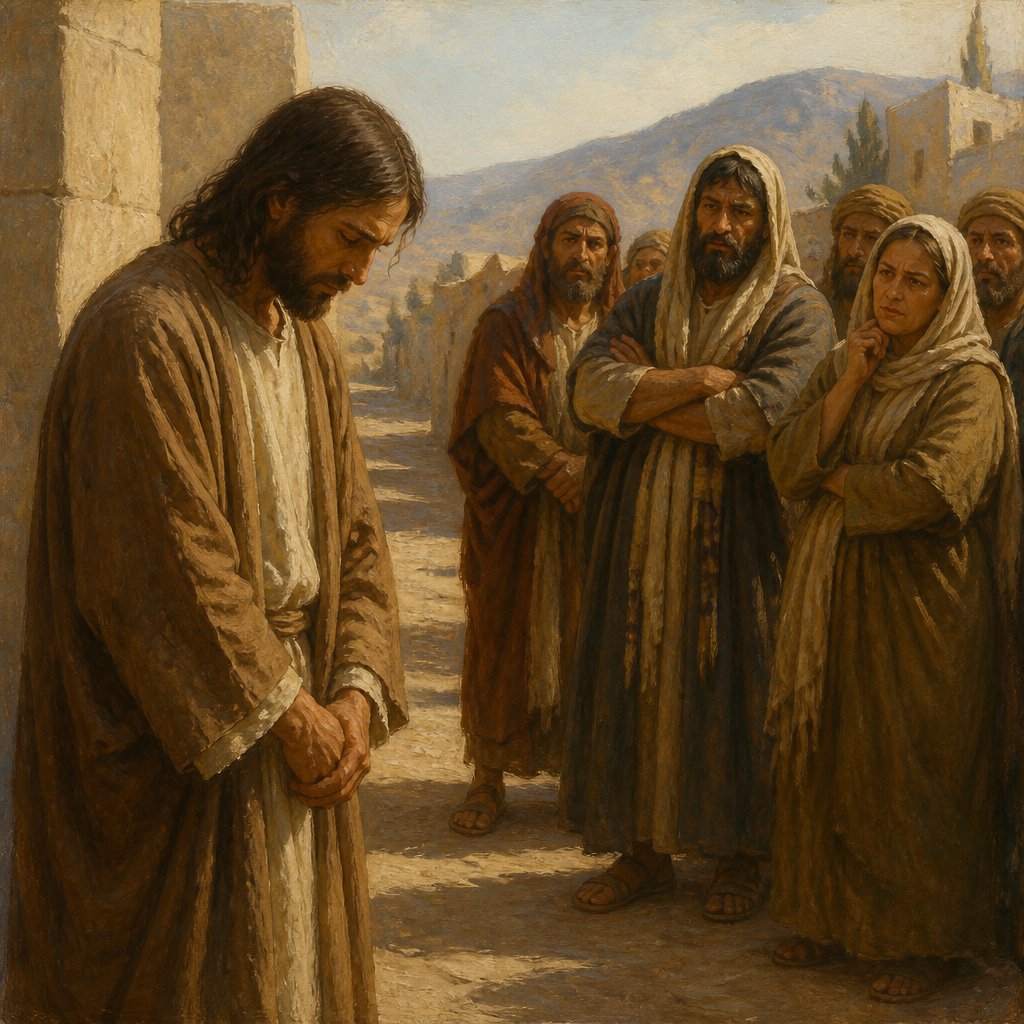
Psalms 109:25 (KJV) states, "I became also a reproach unto them: when they looked upon me they shaked their heads." This verse comes from a collection of songs and poems attributed to King David. The Book of Psalms is a revered text in both Judaism and Christianity, and is often used for worship, prayer, and meditation. This particular verse comes from a psalm of lament, in which the psalmist is crying out to God for deliverance from enemies and expressing his distress over their treatment of him.
The theme of this verse revolves around the psalmist's suffering at the hands of his enemies, who not only reproach him but also shake their heads at him. The act of shaking their heads signifies disdain, scorn, and mockery. It shows that the psalmist's enemies not only seek to harm him physically or emotionally, but also aim to belittle and humiliate him. This kind of mistreatment can be deeply painful and demoralizing, as it attacks the psalmist's dignity and self-worth.
The context of this verse within the psalm as a whole is one of deep anguish and desperation. The psalmist begins by calling out to God for help, pouring out his heart and expressing his distress. He describes the malicious actions of his enemies, who have been deceitful, hateful, and accusatory towards him. The psalmist begs for justice and retribution, pleading with God to intervene on his behalf. The tone of the psalm is one of heartfelt pleading and urgency, as the psalmist feels deeply oppressed and overwhelmed by his circumstances.
The symbolism in this verse lies in the physical action of shaking the head. In various cultures and contexts, shaking the head is used to convey disapproval, disbelief, or scorn. It is a nonverbal gesture that communicates a strong negative judgment. In this psalm, the shaking of the head represents the contempt and derision that the psalmist faces from his enemies. It symbolizes their rejection of him, their refusal to show him any kindness or mercy, and their assertion of superiority over him.
In a wider theological and spiritual sense, this verse can also be understood as a reflection of the broader human experience of suffering and persecution. It speaks to the reality of facing opposition and hostility, of being unjustly treated and marginalized. The psalmist's cry for deliverance resonates with those who have felt the sting of being scorned and reproached by others. It acknowledges the pain of being misunderstood, targeted, and disdained, and it gives voice to the longing for vindication and relief from such mistreatment.
Ultimately, this verse points to the enduring human need for God's intervention in the face of adversity. The psalmist's appeal for God to rescue him from his enemies reflects a fundamental belief in the power of divine justice and protection. It is an expression of faith in God's care and concern for those who suffer, and it affirms the hope that God will not abandon the psalmist in his time of need.
In conclusion, Psalms 109:25 (KJV) conveys the pain of being reproached and scorned by one's enemies. It is a poignant lament that speaks to the universal experience of suffering and persecution, and it offers a compelling plea for God's intervention and deliverance. This verse holds a timeless resonance, as it continues to resonate with those who seek solace and strength in the face of adversity.
Get our apps


Artwork for Psalms 109:25

Psalms 109:25 - "I became also a reproach unto them: when they looked upon me they shaked their heads."

"I became also a reproach unto them: when they looked upon me they shaked their heads." - Psalms 109:25
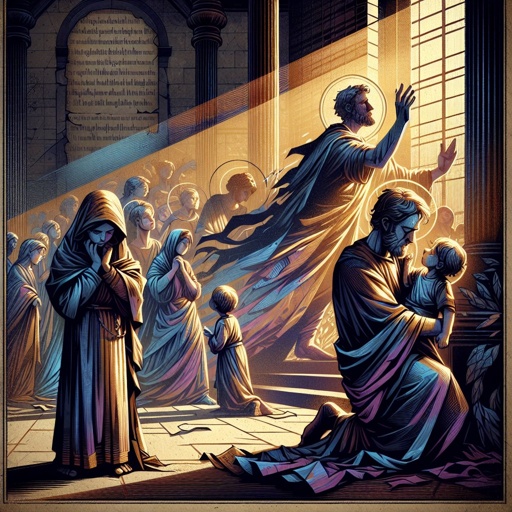
Psalms 109:9 - "Let his children be fatherless, and his wife a widow."

Psalms 109:1 - "Hold not thy peace, O God of my praise;"

Psalms 109:22 - "For I am poor and needy, and my heart is wounded within me."

Psalms 109:8 - "Let his days be few; and let another take his office."

Psalms 109:4 - "For my love they are my adversaries: but I give myself unto prayer."
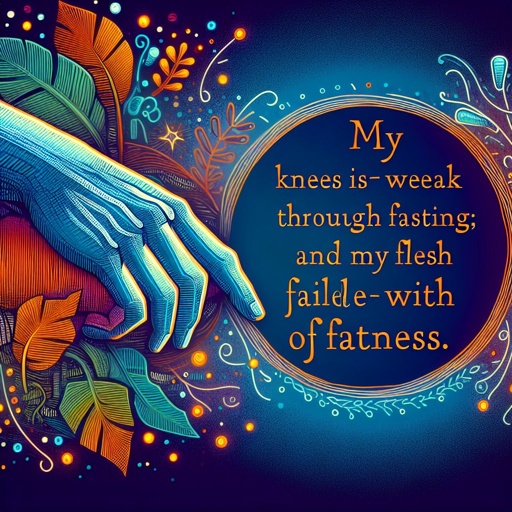
Psalms 109:24 - "My knees are weak through fasting; and my flesh faileth of fatness."

Psalms 109:5 - "And they have rewarded me evil for good, and hatred for my love."

Psalms 109:27 - "That they may know that this is thy hand; that thou, LORD, hast done it."

Psalms 119:109 - "My soul is continually in my hand: yet do I not forget thy law."

Psalms 109:11 - "Let the extortioner catch all that he hath; and let the strangers spoil his labour."

Psalms 109:13 - "Let his posterity be cut off; and in the generation following let their name be blotted out."

Psalms 109:26 - "Help me, O LORD my God: O save me according to thy mercy:"

Psalms 109:29 - "Let mine adversaries be clothed with shame, and let them cover themselves with their own confusion, as with a mantle."

Psalms 109:3 - "They compassed me about also with words of hatred; and fought against me without a cause."

Psalms 109:12 - "Let there be none to extend mercy unto him: neither let there be any to favour his fatherless children."

Psalms 109:15 - "Let them be before the LORD continually, that he may cut off the memory of them from the earth."
Psalms 109:7 - "When he shall be judged, let him be condemned: and let his prayer become sin."

Psalms 109:14 - "Let the iniquity of his fathers be remembered with the LORD; and let not the sin of his mother be blotted out."

Psalms 109:30 - "I will greatly praise the LORD with my mouth; yea, I will praise him among the multitude."

Psalms 109:6 - "Set thou a wicked man over him: and let Satan stand at his right hand."

Psalms 109:20 - "Let this be the reward of mine adversaries from the LORD, and of them that speak evil against my soul."

Psalms 109:19 - "Let it be unto him as the garment which covereth him, and for a girdle wherewith he is girded continually."

"Help me, O LORD my God: O save me according to thy mercy:" - Psalms 109:26

Psalms 109:2 - "For the mouth of the wicked and the mouth of the deceitful are opened against me: they have spoken against me with a lying tongue."
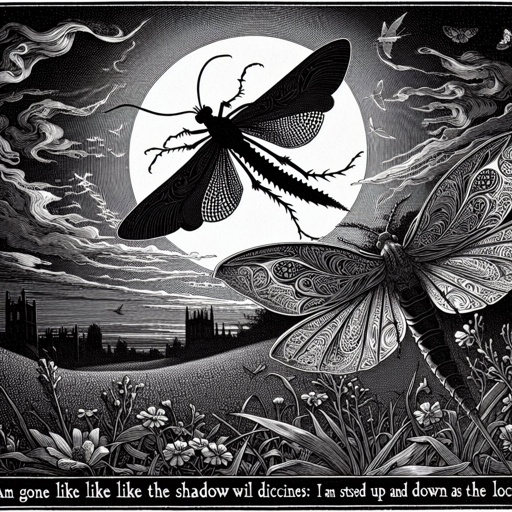
Psalms 109:23 - "I am gone like the shadow when it declineth: I am tossed up and down as the locust."

Psalms 109:31 - "For he shall stand at the right hand of the poor, to save him from those that condemn his soul."

Psalms 109:10 - "Let his children be continually vagabonds, and beg: let them seek their bread also out of their desolate places."

"Let mine adversaries be clothed with shame, and let them cover themselves with their own confusion, as with a mantle." - Psalms 109:29