What does Psalms 119:76 mean?
“Let, I pray thee, thy merciful kindness be for my comfort, according to thy word unto thy servant.” — Psalms 119:76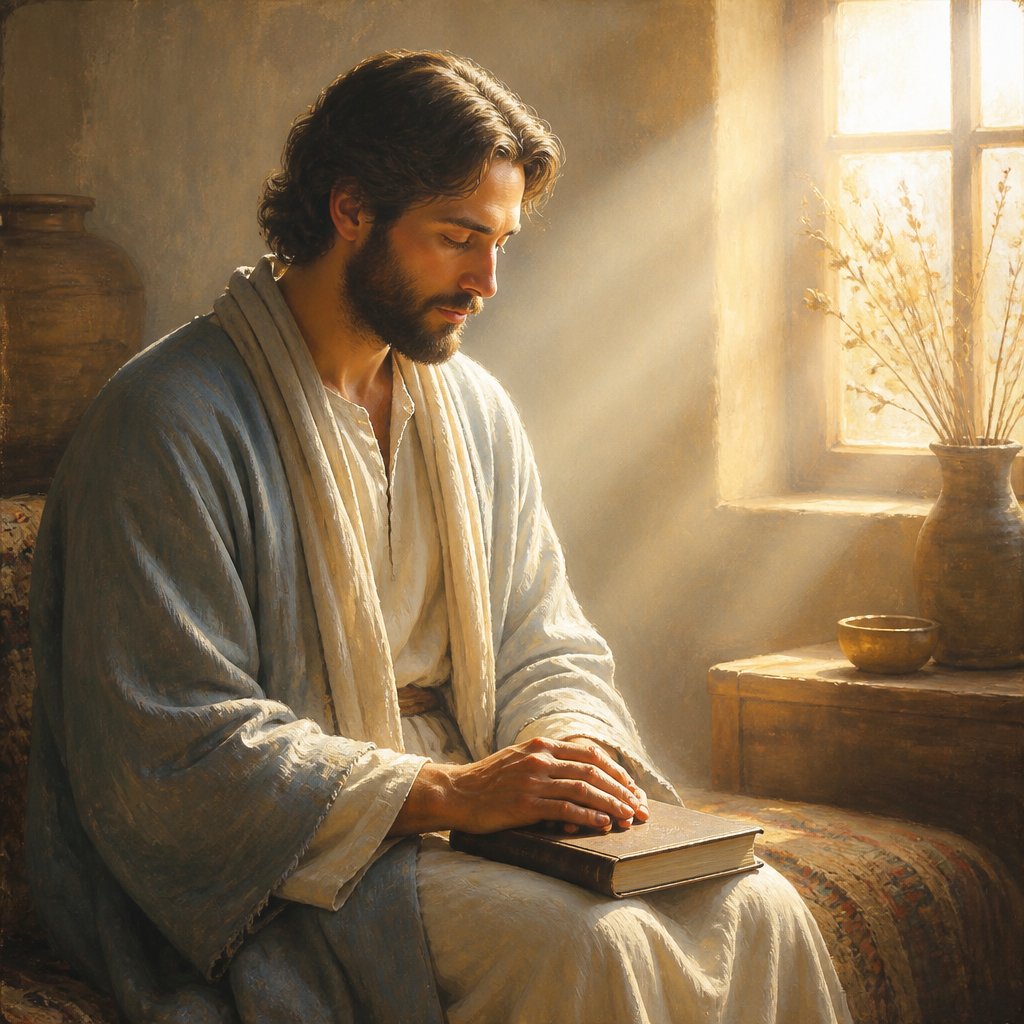
Psalm 119:76 in the King James Version (KJV) reads, "Let, I pray thee, thy merciful kindness be for my comfort, according to thy word unto thy servant." This verse is a plea to God for his merciful kindness to bring comfort to the psalmist. The psalmist is asking for God's compassion to offer solace and reassurance, and he grounds this plea in the faithful character of God as revealed in his word.
The theme of God's merciful kindness is central to this verse. The psalmist recognizes that he is in need of comfort and specifically appeals to God's compassion and love. He acknowledges that only God's merciful kindness can provide the comfort he seeks. This theme of seeking God's kindness and mercy for comfort is a universal theme that resonates with all who have experienced pain, suffering, or hardship. The psalmist's plea for comfort through God's merciful kindness reflects the deep longing of the human soul for solace and reassurance in times of distress.
In the context of the entire Psalm 119, this verse is part of a larger meditation on the word of God. Throughout the entire Psalm, the psalmist reflects on the beauty and importance of God's word, expressing love and devotion to it. In Psalm 119:50, the psalmist writes, "This is my comfort in my affliction: for thy word hath quickened me." Here, we see a similar theme of finding comfort in God's word, and this sentiment is echoed in our verse, Psalm 119:76. The psalmist's reliance on God's word as a source of comfort and hope is a recurring motif in this section of the Psalm.
The symbolism in this verse lies in the juxtaposition of God's merciful kindness against the comfort it brings. God's merciful kindness is portrayed as the source of comfort and hope. The psalmist is seeking not just any comfort, but the comfort that comes from God's tender affection and compassion. This symbolizes the deep connection between God's character and the comfort he provides. It also reflects the psalmist's reliance on God as the ultimate source of comfort.
Furthermore, the servant imagery in this verse highlights the psalmist's humble and obedient posture before God. By referring to himself as God's servant, the psalmist acknowledges his dependence on God and his willingness to submit to God's will. This imagery adds depth to the psalmist's plea for comfort, as it is a plea from a humble and devoted heart.
In addition, the plea for comfort in this verse speaks to the human experience of suffering and the universal need for solace. The psalmist's cry for God's merciful kindness is a timeless expression of human longing for divine comfort. This verse resonates with anyone who has experienced pain or hardship and sought the comfort that only God can provide.
In conclusion, Psalm 119:76 is a poignant plea for God's merciful kindness to bring comfort to the psalmist. The verse reflects the universal human longing for solace in times of distress, as well as the psalmist's deep reliance on God's word and character. The symbolism, themes, and context of this verse all point to the profound connection between God's merciful kindness and the comfort it provides. This verse serves as a beautiful expression of faith and dependence on God in the midst of suffering.
Get our apps


Artwork for Psalms 119:76

Psalms 119:76 - "Let, I pray thee, thy merciful kindness be for my comfort, according to thy word unto thy servant."
"Let, I pray thee, thy merciful kindness be for my comfort, according to thy word unto thy servant." - Psalms 119:76

"Thou art more glorious and excellent than the mountains of prey." - Psalms 76:4

Psalms 76:3 - "There brake he the arrows of the bow, the shield, and the sword, and the battle. Selah."

Psalms 76:1 - "In Judah is God known: his name is great in Israel."

Psalms 76:4 - "Thou art more glorious and excellent than the mountains of prey."

Psalms 76:2 - "In Salem also is his tabernacle, and his dwelling place in Zion."

Psalms 76:12 - "He shall cut off the spirit of princes: he is terrible to the kings of the earth."
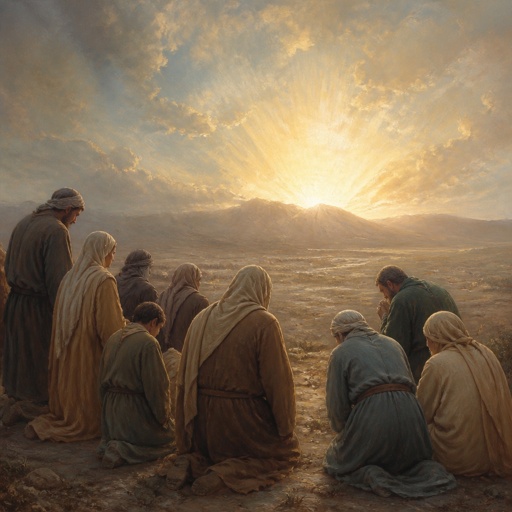
"When God arose to judgment, to save all the meek of the earth. Selah." - Psalms 76:9

Psalms 76:9 - "When God arose to judgment, to save all the meek of the earth. Selah."
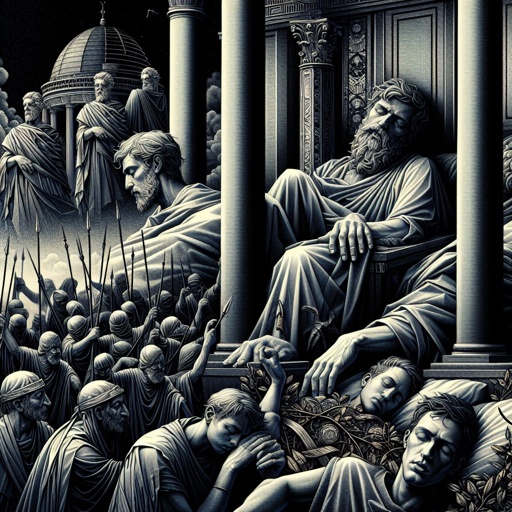
Psalms 76:5 - "The stouthearted are spoiled, they have slept their sleep: and none of the men of might have found their hands."

Psalms 76:8 - "Thou didst cause judgment to be heard from heaven; the earth feared, and was still,"
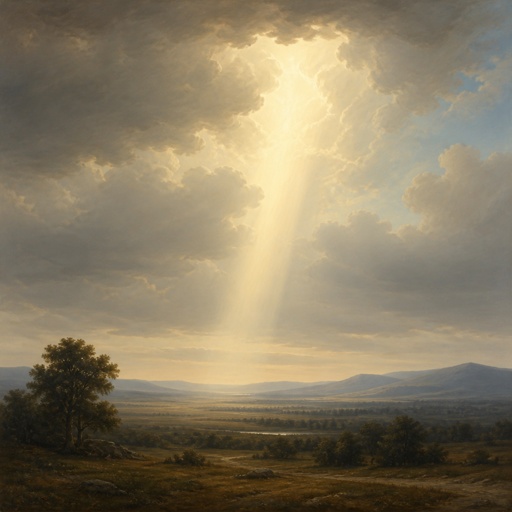
"Thou didst cause judgment to be heard from heaven; the earth feared, and was still," - Psalms 76:8
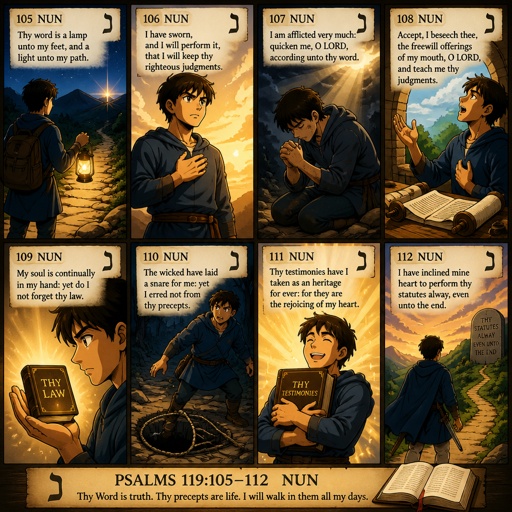
Psalms 119:105 NUN. Thy word is a lamp unto my feet, and a light unto my path. Psalms 119:106 I have sworn, and I will perform it, that I will keep thy righteous judgments. Psalms 119:107 I am afflicted very much: quicken me, O LORD, according unto thy word. Psalms 119:108 Accept, I beseech thee, the freewill offerings of my mouth, O LORD, and teach me thy judgments. Psalms 119:109 My soul is continually in my hand: yet do I not forget thy law. Psalms 119:110 The wicked have laid a snare for me: yet I erred not from thy precepts. Psalms 119:111 Thy testimonies have I taken as an heritage for ever: for they are the rejoicing of my heart. Psalms 119:112 I have inclined mine heart to perform thy statutes alway, even unto the end.

Psalms 76:10 - "Surely the wrath of man shall praise thee: the remainder of wrath shalt thou restrain."
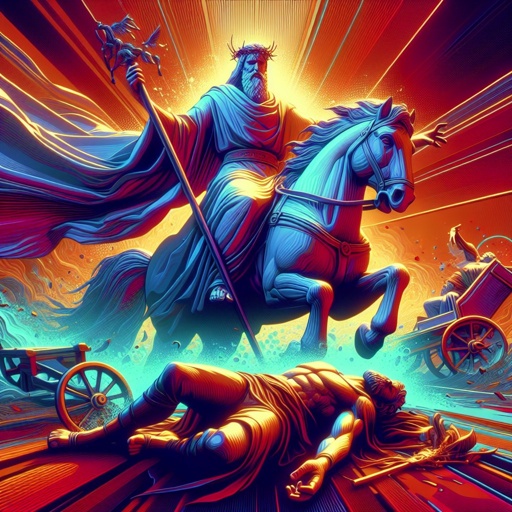
Psalms 76:6 - "At thy rebuke, O God of Jacob, both the chariot and horse are cast into a dead sleep."

"The stouthearted are spoiled, they have slept their sleep: and none of the men of might have found their hands." - Psalms 76:5

Psalms 76:7 - "Thou, even thou, art to be feared: and who may stand in thy sight when once thou art angry?"
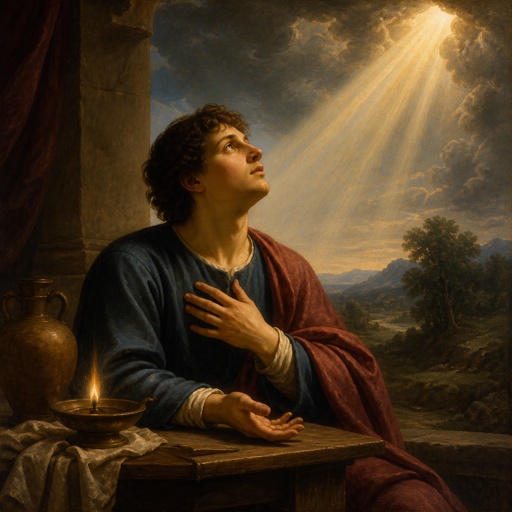
Psalms 119:11

Psalms 119:153 - "Consider mine affliction, and deliver me: for I do not forget thy law."
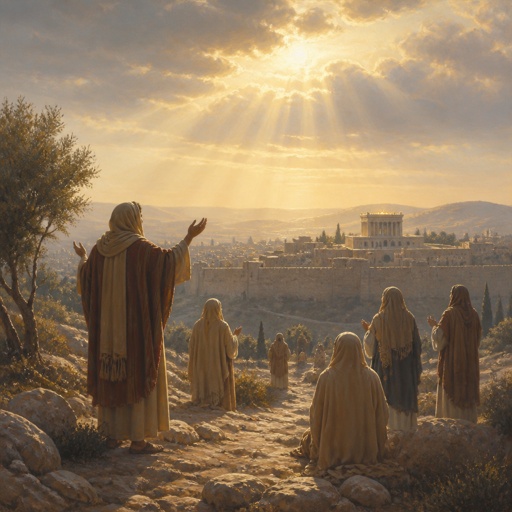
"In Judah is God known: his name is great in Israel." - Psalms 76:1

Psalms 119:174 - "I have longed for thy salvation, O LORD; and thy law is my delight."
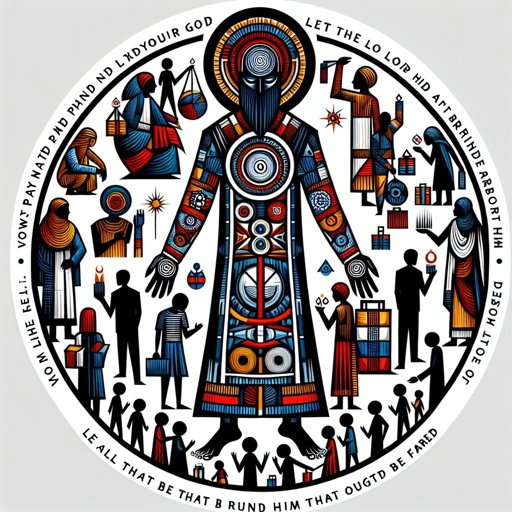
Psalms 76:11 - "Vow, and pay unto the LORD your God: let all that be round about him bring presents unto him that ought to be feared."

Psalms 119:61 - "The bands of the wicked have robbed me: but I have not forgotten thy law."
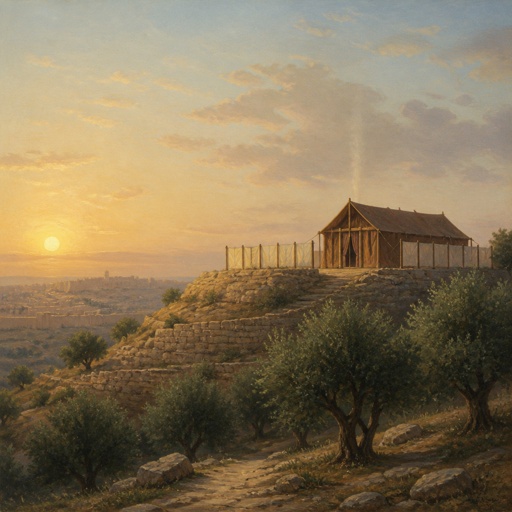
"In Salem also is his tabernacle, and his dwelling place in Zion." - Psalms 76:2
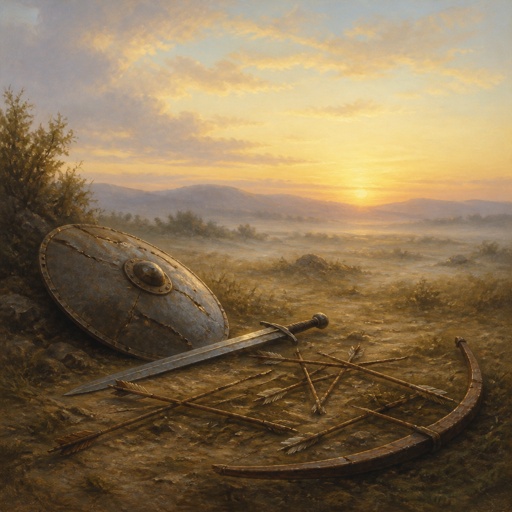
"There brake he the arrows of the bow, the shield, and the sword, and the battle. Selah." - Psalms 76:3

Psalms 119:32 - "I will run the way of thy commandments, when thou shalt enlarge my heart."
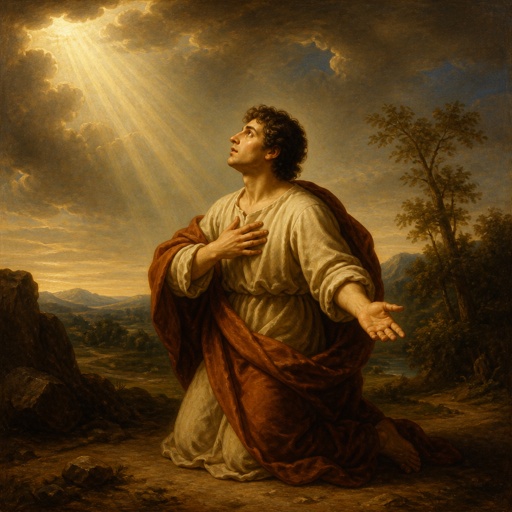
Psalms 119:15
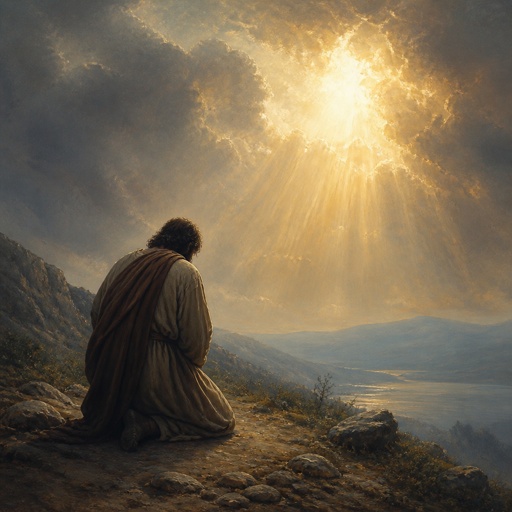
"Thou, even thou, art to be feared: and who may stand in thy sight when once thou art angry?" - Psalms 76:7

"For ever, O LORD, thy word is settled in heaven." - Psalms 119:89