What does Psalms 119:77 mean?
“Let thy tender mercies come unto me, that I may live: for thy law is my delight.” — Psalms 119:77
Psalms 119:77 (KJV) says, "Let thy tender mercies come unto me, that I may live: for thy law is my delight."
In this verse, the psalmist is crying out to God for his tender mercies to come upon him. The psalmist acknowledges his need for God's mercies in order to truly live. This verse reflects the deep dependence and reliance on God's grace and love that is found throughout the entire book of Psalms.
The phrase "tender mercies" in the original Hebrew text is "רַחֲמֶֽיךָ" (rachamekha), which can also be translated as "compassion," "lovingkindness," or "pity." This word signifies God's compassionate, heartfelt love and concern for His people. The psalmist is asking God to extend this lovingkindness to him, recognizing that without it, he cannot truly live.
The second part of the verse, "for thy law is my delight," highlights the psalmist's attitude towards God's law. Contrary to seeing God's law as burdensome or restrictive, the psalmist finds joy and pleasure in it. He sees God's law as a source of life and blessing, not as a set of rules to follow. This reflects the psalmist's deep love for God and His commands.
This verse is set within the larger context of Psalms 119, which is the longest chapter in the entire Bible and is dedicated to extolling the virtues of God's law. The entire chapter is constructed as an acrostic, with each section beginning with a successive letter of the Hebrew alphabet, emphasizing the comprehensive and all-encompassing nature of God's law in the life of the believer.
Throughout Psalms 119, the psalmist expresses his deep love and reverence for God's law, using a variety of terms such as "commandments," "precepts," "statutes," and "judgments" to refer to God's instructions and guidance for His people. The underlying theme is the psalmist's desire to live in obedience to God's law and to find joy and satisfaction in doing so.
The phrase "that I may live" in Psalms 119:77 speaks to the psalmist's understanding that the mercies and delight in God's law are essential for true, abundant life. This echoes Jesus' own words in John 10:10, where He declares, "I am come that they might have life, and that they might have it more abundantly." The psalmist recognizes that true life is found in God, and in keeping His commandments.
Symbolically, this verse can be seen as a reflection of the believer's dependence on God's mercy and grace for salvation and daily sustenance. It underscores the believer's recognition of their need for God's compassion and their willingness to submit to His law out of love and joy. This verse is a reminder of the believer's continual reliance on God for spiritual life and nourishment.
In conclusion, Psalms 119:77 is a heartfelt plea for God's tender mercies and a declaration of love and delight in His law. It encapsulates the believer's deep longing for God's compassion and the recognition that true life is found in obedience to His word. This verse serves as a beautiful reminder of the believer's dependence on God and the abundance of life that comes from walking in His ways.
Get our apps


Artwork for Psalms 119:77

Psalms 119:77 - "Let thy tender mercies come unto me, that I may live: for thy law is my delight."

"Let thy tender mercies come unto me, that I may live: for thy law is my delight." - Psalms 119:77

"I have considered the days of old, the years of ancient times." - Psalms 77:5

Psalms 77:7 - "Will the Lord cast off for ever? and will he be favourable no more?"

"Will the Lord cast off for ever? and will he be favourable no more?" - Psalms 77:7

Psalms 77:11 - "I will remember the works of the LORD: surely I will remember thy wonders of old."

Psalms 77:5 - "I have considered the days of old, the years of ancient times."

Psalms 77:8 - "Is his mercy clean gone for ever? doth his promise fail for evermore?"

Psalms 77:3 - "I remembered God, and was troubled: I complained, and my spirit was overwhelmed. Selah."

Psalms 77:18 - "The voice of thy thunder was in the heaven: the lightnings lightened the world: the earth trembled and shook."

Psalms 77:20 - "Thou leddest thy people like a flock by the hand of Moses and Aaron."

Psalms 77:12 - "I will meditate also of all thy work, and talk of thy doings."

Psalms 77:15 - "Thou hast with thine arm redeemed thy people, the sons of Jacob and Joseph. Selah."

Psalms 77:13 - "Thy way, O God, is in the sanctuary: who is so great a God as our God?"

"I will meditate also of all thy work, and talk of thy doings." - Psalms 77:12
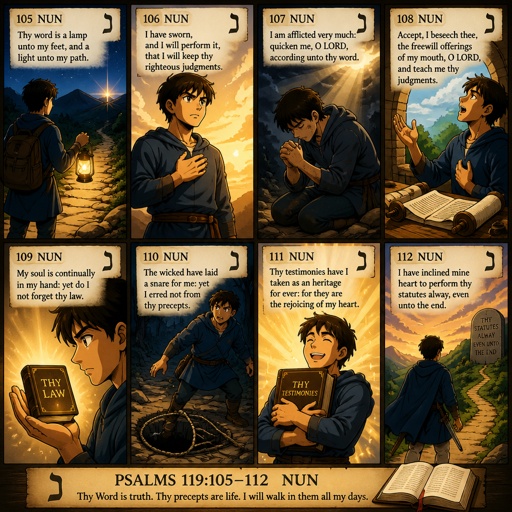
Psalms 119:105 NUN. Thy word is a lamp unto my feet, and a light unto my path. Psalms 119:106 I have sworn, and I will perform it, that I will keep thy righteous judgments. Psalms 119:107 I am afflicted very much: quicken me, O LORD, according unto thy word. Psalms 119:108 Accept, I beseech thee, the freewill offerings of my mouth, O LORD, and teach me thy judgments. Psalms 119:109 My soul is continually in my hand: yet do I not forget thy law. Psalms 119:110 The wicked have laid a snare for me: yet I erred not from thy precepts. Psalms 119:111 Thy testimonies have I taken as an heritage for ever: for they are the rejoicing of my heart. Psalms 119:112 I have inclined mine heart to perform thy statutes alway, even unto the end.

Psalms 77:19 - "Thy way is in the sea, and thy path in the great waters, and thy footsteps are not known."

"Thou hast with thine arm redeemed thy people, the sons of Jacob and Joseph. Selah." - Psalms 77:15

Psalms 77:14 - "Thou art the God that doest wonders: thou hast declared thy strength among the people."

"Thy way, O God, is in the sanctuary: who is so great a God as our God?" - Psalms 77:13

Psalms 77:10 - "And I said, This is my infirmity: but I will remember the years of the right hand of the most High."

Psalms 77:4 - "Thou holdest mine eyes waking: I am so troubled that I cannot speak."

Psalms 77:9 - "Hath God forgotten to be gracious? hath he in anger shut up his tender mercies? Selah."

Psalms 77:17 - "The clouds poured out water: the skies sent out a sound: thine arrows also went abroad."

Psalms 77:2 - "In the day of my trouble I sought the Lord: my sore ran in the night, and ceased not: my soul refused to be comforted."
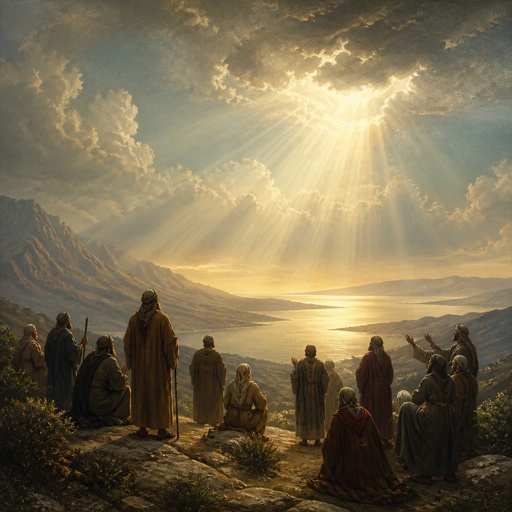
"Thou art the God that doest wonders: thou hast declared thy strength among the people." - Psalms 77:14
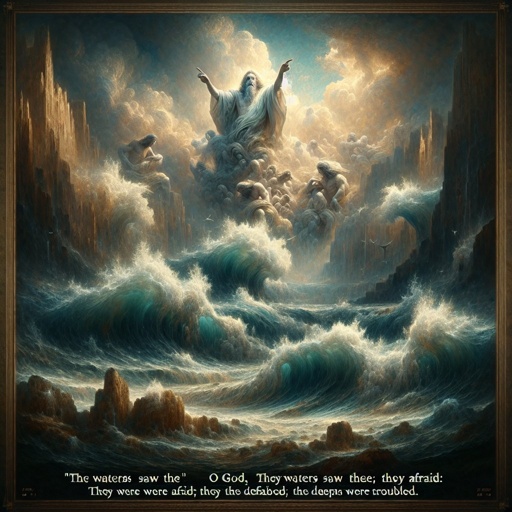
Psalms 77:16 - "The waters saw thee, O God, the waters saw thee; they were afraid: the depths also were troubled."
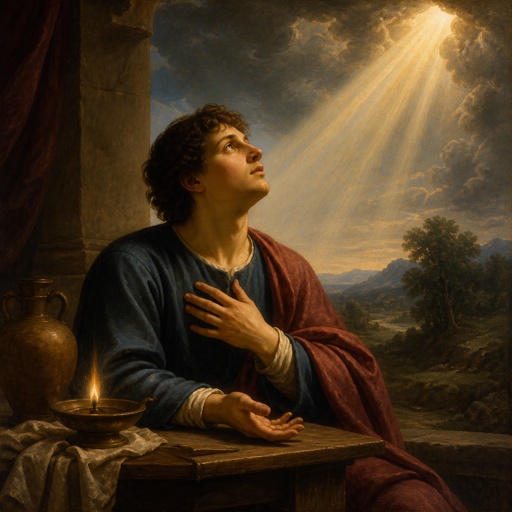
Psalms 119:11

Psalms 77:6 - "I call to remembrance my song in the night: I commune with mine own heart: and my spirit made diligent search."

Psalms 119:153 - "Consider mine affliction, and deliver me: for I do not forget thy law."