What does Psalms 126:2 mean?
“Then was our mouth filled with laughter, and our tongue with singing: then said they among the heathen, The LORD hath done great things for them.” — Psalms 126:2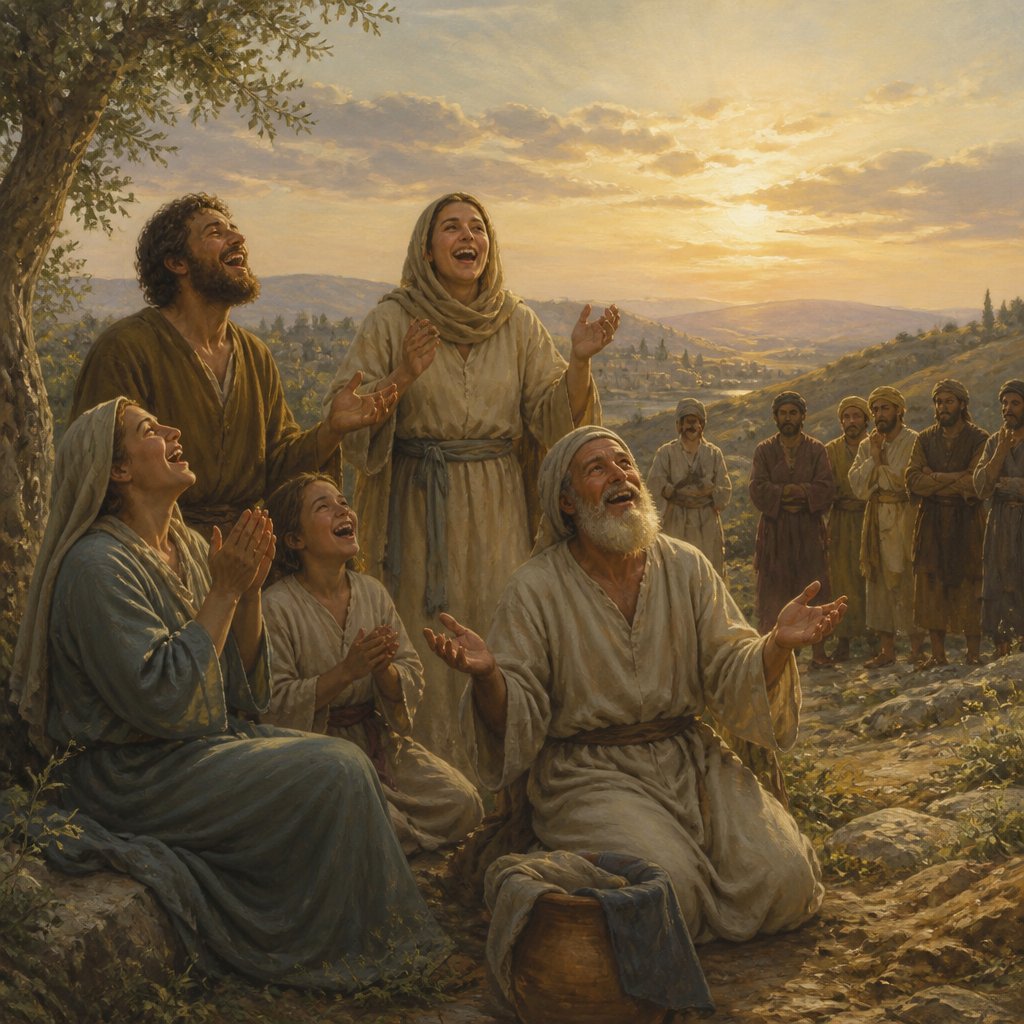
"Then was our mouth filled with laughter, and our tongue with singing: then said they among the heathen, The LORD hath done great things for them."
The Book of Psalms is a collection of 150 poetic songs and prayers that express the religious thoughts and feelings of the Israelites. Its verses cover a wide range of emotions, from joy and praise to sorrow and lament. Psalm 126:2 specifically reflects a joyous occasion in the lives of the Jewish people, expressing gratitude and exuberance for God's faithfulness and deliverance.
At its core, this verse speaks to the theme of restoration and redemption. The Israelites were returning from their exile in Babylon, and this verse captures their overwhelming sense of joy and relief upon finally being able to return to their homeland. The use of laughter and singing as imagery conveys their happiness and thanksgiving for the bountiful blessings they have received. It is a testimony to the greatness of God and His ability to work wonders in the lives of His people.
The context of this verse is also important in understanding its significance. The Israelites had endured years of hardship and captivity, experiencing the loss of their homeland, their freedom, and their identity. But now, as they return to their land, they are filled with joy and singing, a testament to the restoration of their lives and their faith in God. This verse reflects the hope and trust the Israelites had in God's promise to bring them back to their land and to bless them abundantly.
The symbolism in this verse is powerful and multi-layered. Laughter and singing represent the outward expressions of overwhelming joy and gratitude. The mouths filled with laughter and tongues with singing convey a profound sense of joy and exaltation. It is a symbol of the Israelites' newfound freedom and the restoration of their spirits. The mention of the heathen's recognition of God's great deeds also serves as a symbol of God's power and sovereignty over all nations, not just the Israelites. It is a proclamation of the greatness of God's works and His faithfulness to His chosen people.
This verse also carries a universal message that transcends time and place. It serves as a reminder of the power of faith and the promise of restoration. It speaks to the human experience of enduring suffering and finding joy in moments of deliverance. It serves as an encouragement to all who have faced challenges and adversity in their lives, reminding them of the hope and joy that comes with God's faithfulness and deliverance.
In conclusion, Psalm 126:2 is a powerful testament to the joy and gratitude of the Israelites as they return to their homeland, a symbol of restoration and redemption, and a universal message of hope and faith. It encapsulates the themes of joy, gratitude, restoration, and faith in God's faithfulness. It continues to inspire and uplift those who face challenges, reminding them of the power of God's deliverance and the joy that comes with it.
Get our apps


Artwork for Psalms 126:2
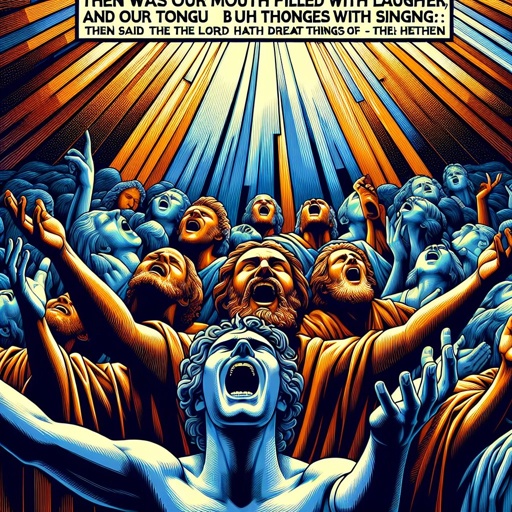
Psalms 126:2 - "Then was our mouth filled with laughter, and our tongue with singing: then said they among the heathen, The LORD hath done great things for them."
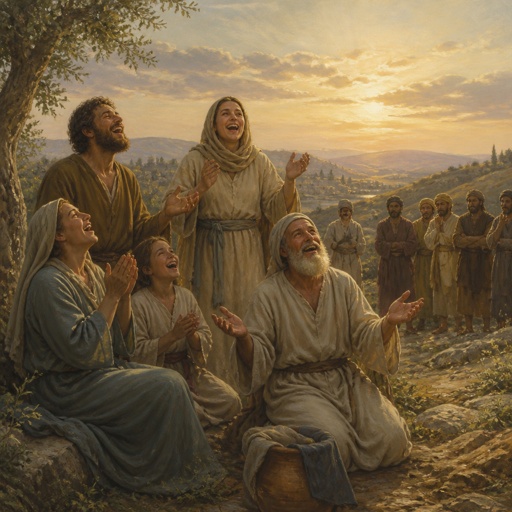
"Then was our mouth filled with laughter, and our tongue with singing: then said they among the heathen, The LORD hath done great things for them." - Psalms 126:2

Psalms 126:6

Psalms 126:6

Psalms 126:6

Psalms 126:6

Psalms 126:5 - "They that sow in tears shall reap in joy."

"Turn again our captivity, O LORD, as the streams in the south." - Psalms 126:4

"It is time for thee, LORD, to work: for they have made void thy law." - Psalms 119:126

Psalms 126:4 - "Turn again our captivity, O LORD, as the streams in the south."

Psalms 119:126 - "It is time for thee, LORD, to work: for they have made void thy law."

Psalms 126:3 - "The LORD hath done great things for us; whereof we are glad."

Psalms 126:1 - "When the LORD turned again the captivity of Zion, we were like them that dream."
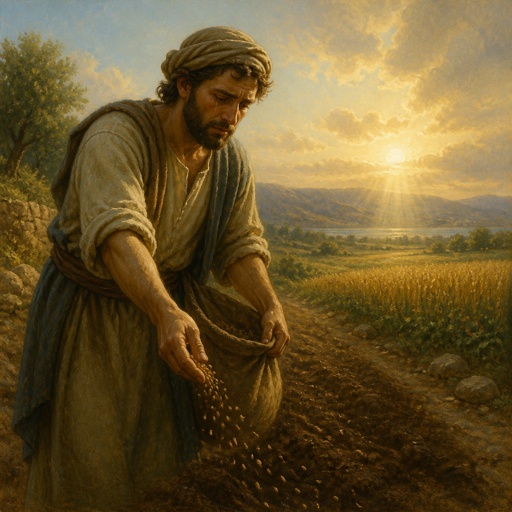
"They that sow in tears shall reap in joy." - Psalms 126:5

PSALMS 126:5 They that sow in tears shall reap in joy.
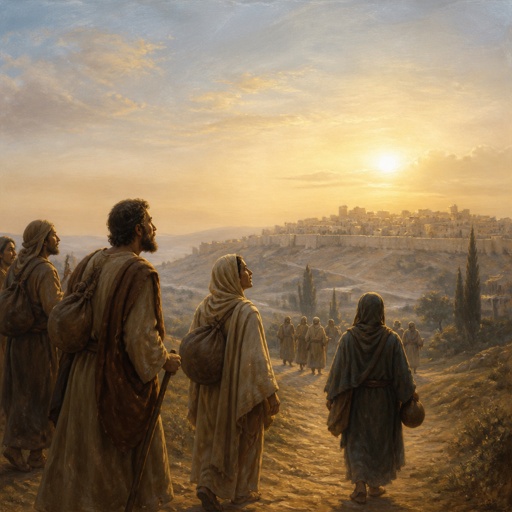
"When the LORD turned again the captivity of Zion, we were like them that dream." - Psalms 126:1

Psalms 126:6 - "He that goeth forth and weepeth, bearing precious seed, shall doubtless come again with rejoicing, bringing his sheaves with him."
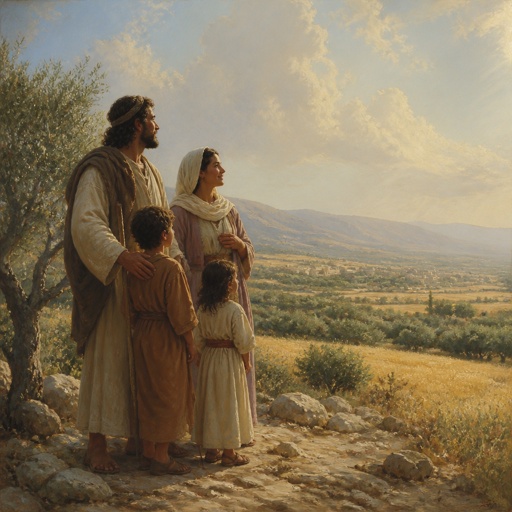
"The LORD hath done great things for us; whereof we are glad." - Psalms 126:3

Psalms 81:2 - "Take a psalm, and bring hither the timbrel, the pleasant harp with the psaltery."
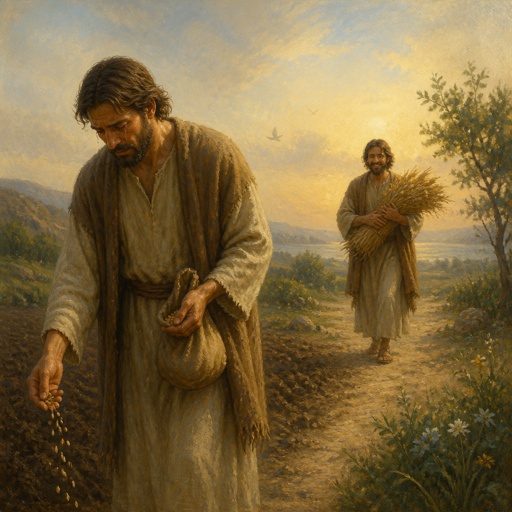
"He that goeth forth and weepeth, bearing precious seed, shall doubtless come again with rejoicing, bringing his sheaves with him." - Psalms 126:6
Psalms 115:2 - "Wherefore should the heathen say, Where is now their God?"
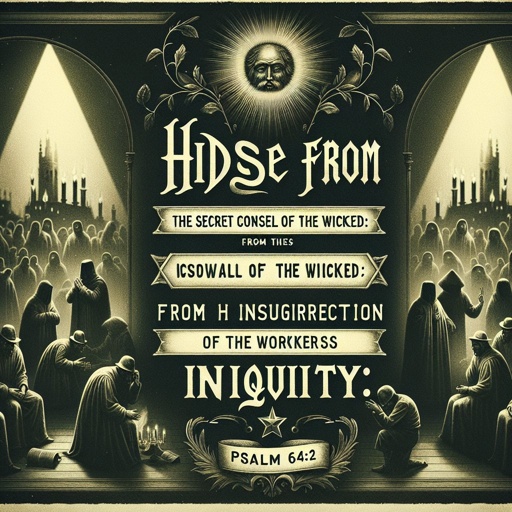
Psalms 64:2 - "Hide me from the secret counsel of the wicked; from the insurrection of the workers of iniquity:"

"Take a psalm, and bring hither the timbrel, the pleasant harp with the psaltery." - Psalms 81:2

Psalms 54:2 - "Hear my prayer, O God; give ear to the words of my mouth."

Psalms 149:2 - "Let Israel rejoice in him that made him: let the children of Zion be joyful in their King."

Psalms 5:2 - "Hearken unto the voice of my cry, my King, and my God: for unto thee will I pray."

Psalms 17:2 - "Let my sentence come forth from thy presence; let thine eyes behold the things that are equal."

"Both low and high, rich and poor, together." - Psalms 49:2

Psalms 125:2 - "As the mountains are round about Jerusalem, so the LORD is round about his people from henceforth even for ever."

Psalms 133:2 - "It is like the precious ointment upon the head, that ran down upon the beard, even Aaron's beard: that went down to the skirts of his garments;"