What does Psalms 127:2 mean?
“It is vain for you to rise up early, to sit up late, to eat the bread of sorrows: for so he giveth his beloved sleep.” — Psalms 127:2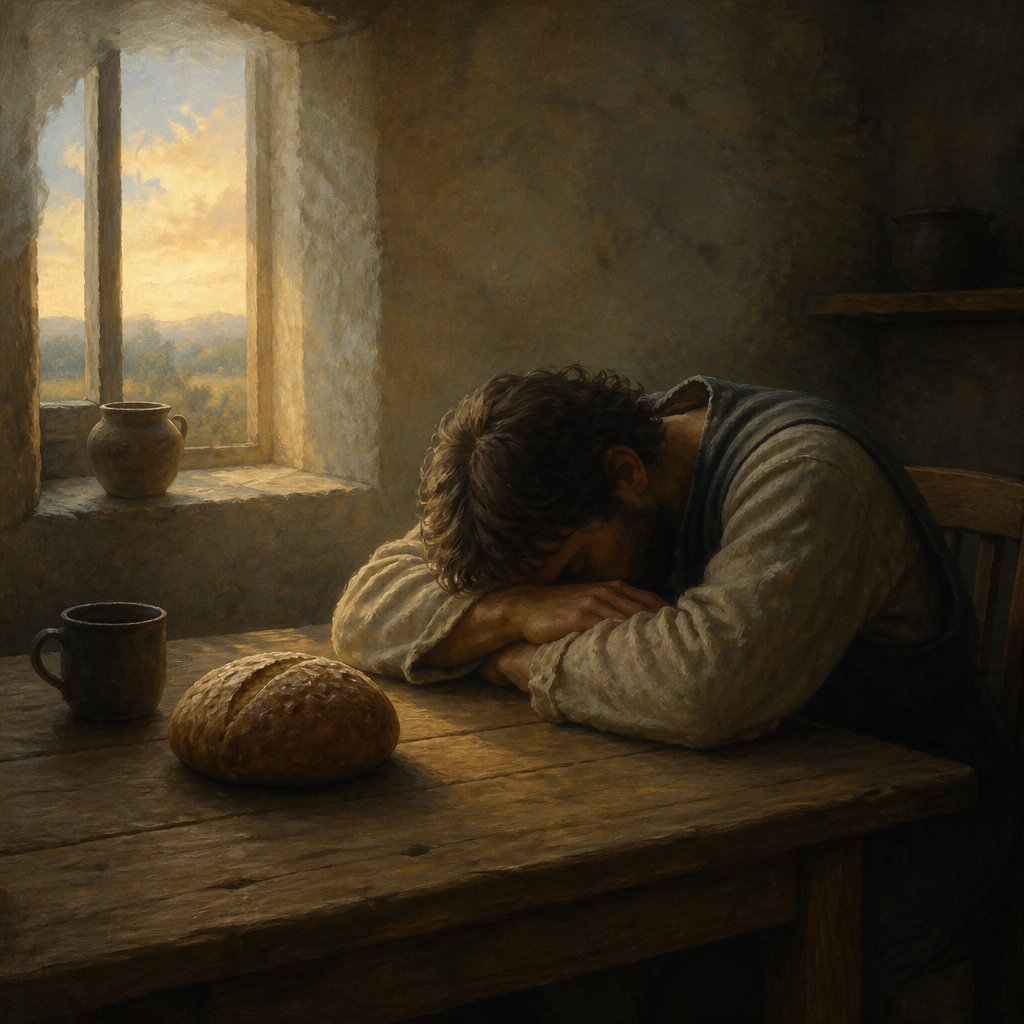
" It is vain for you to rise up early, to sit up late, to eat the bread of sorrows: for so he giveth his beloved sleep."
The verse Psalms 127:2, from the King James Version of the Bible, holds a powerful and timeless message about the futility of human striving and the rest that God provides for his beloved. In this verse, the psalmist admonishes against the restless pursuit of wealth and security, offering a reminder of the importance of trust in God's provision and rest as a gift from the Lord.
The theme of labor and rest is central to this verse and resonates with many readers as a reflection of the human experience. The verse begins with the declaration, "It is vain for you to rise up early, to sit up late." This phrase paints a picture of unrelenting toil and exhaustion, emphasizing the common human tendency to work excessively in pursuit of material success. The act of rising early and staying up late is a metaphor for the ceaseless striving and labor that can consume our lives. This verse serves as a caution against the fruitless exertion of human effort without recognizing the limitations of our own abilities.
The phrase "to eat the bread of sorrows" further emphasizes the fruitlessness of such pursuits. It suggests that the labor described in the first part of the verse leads only to sorrow and dissatisfaction, highlighting the potential negative consequences of work undertaken without acknowledgment of God's sovereignty. This imagery evokes a sense of spiritual and emotional poverty, as those who only seek after material gain are ultimately left unsatisfied and unfulfilled.
However, the verse also offers hope and consolation with the statement, "for so he giveth his beloved sleep." Here, the psalmist presents sleep as a divine gift, given to those who are beloved by God. In the context of the preceding verses, this sleep symbolizes not only physical rest but also a deeper sense of security and peace that comes from trusting in God's provision.
The broader context of Psalm 127 also sheds light on the significance of this verse. This psalm is attributed to Solomon and is often understood as a meditation on the futility of human efforts apart from God's blessing and guidance. The psalm speaks to the need for reliance on God in both building a house and safeguarding a city, as human efforts alone are insufficient for true security and prosperity. The message of Psalm 127:2 aligns with this theme, urging readers to recognize the limitations of their own striving and to seek rest and contentment in God's provision.
This verse also holds broader theological implications for Christian believers. It serves as a reminder of God's care and provision for His people, even in the midst of their labor and toil. By affirming that rest is a gift from God, the verse invites believers to trust in God's sovereignty and to find comfort in His care. This message is particularly poignant in a world marked by busyness, anxiety, and the relentless pursuit of success.
In conclusion, Psalms 127:2 offers a timeless and poignant reflection on the human experience of labor and rest. It serves as a caution against the vain pursuit of material gain through ceaseless toil and provides a comforting reminder of God's provision and the rest that He offers to His beloved. This verse holds a message that is relevant and powerful for readers of all generations, urging them to seek contentment and trust in God's care amidst the challenges and uncertainties of life.
Get our apps


Artwork for Psalms 127:2

Psalms 127:2 - "It is vain for you to rise up early, to sit up late, to eat the bread of sorrows: for so he giveth his beloved sleep."

"It is vain for you to rise up early, to sit up late, to eat the bread of sorrows: for so he giveth his beloved sleep." - Psalms 127:2

Psalms 127:4 - "As arrows are in the hand of a mighty man; so are children of the youth."

"As arrows are in the hand of a mighty man; so are children of the youth." - Psalms 127:4

"Lo, children are an heritage of the LORD: and the fruit of the womb is his reward." - Psalms 127:3

Psalms 119:127 - "Therefore I love thy commandments above gold; yea, above fine gold."

Psalms 127:3 - "Lo, children are an heritage of the LORD: and the fruit of the womb is his reward."

"Therefore I love thy commandments above gold; yea, above fine gold." - Psalms 119:127

Psalms 127:5 - "Happy is the man that hath his quiver full of them: they shall not be ashamed, but they shall speak with the enemies in the gate."

Psalms 127:1 - "Except the LORD build the house, they labour in vain that build it: except the LORD keep the city, the watchman waketh but in vain."

"Happy is the man that hath his quiver full of them: they shall not be ashamed, but they shall speak with the enemies in the gate." - Psalms 127:5

Psalm 127:2-3 - "It is in vain that you rise up early and go late to rest, eating the bread of anxious toil; for he gives to his beloved sleep. Behold, children are a heritage from the Lord, the fruit of the womb a reward."

"Except the LORD build the house, they labour in vain that build it: except the LORD keep the city, the watchman waketh but in vain." - Psalms 127:1

Psalms 81:2 - "Take a psalm, and bring hither the timbrel, the pleasant harp with the psaltery."

Psalm 127:1-2 - "Unless the Lord builds the house, the builders labor in vain. Unless the Lord watches over the city, the guards stand watch in vain. In vain you rise early and stay up late, toiling for food to eat— for he grants sleep to those he loves."
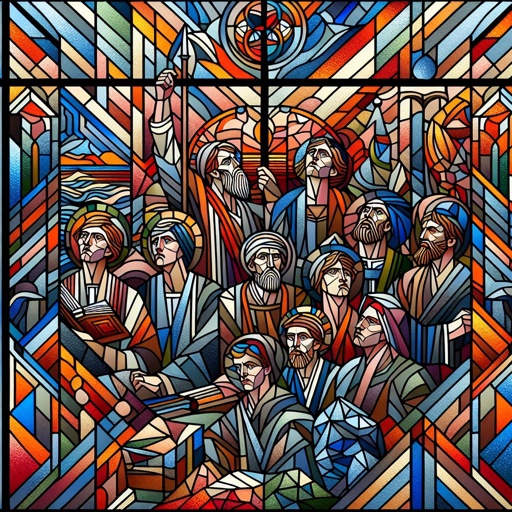
Psalms 115:2 - "Wherefore should the heathen say, Where is now their God?"
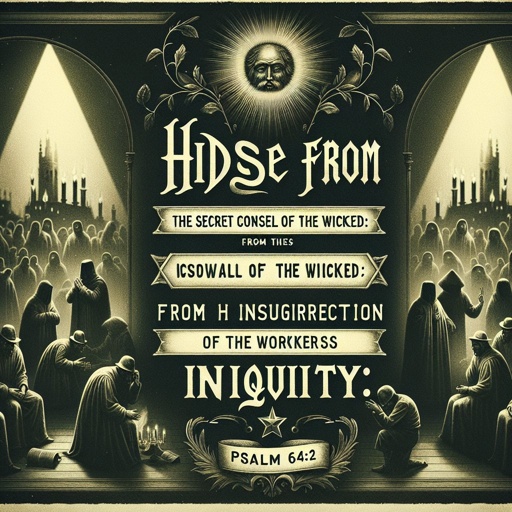
Psalms 64:2 - "Hide me from the secret counsel of the wicked; from the insurrection of the workers of iniquity:"

"Take a psalm, and bring hither the timbrel, the pleasant harp with the psaltery." - Psalms 81:2

Psalms 54:2 - "Hear my prayer, O God; give ear to the words of my mouth."

Psalms 149:2 - "Let Israel rejoice in him that made him: let the children of Zion be joyful in their King."

Psalms 5:2 - "Hearken unto the voice of my cry, my King, and my God: for unto thee will I pray."

Psalms 17:2 - "Let my sentence come forth from thy presence; let thine eyes behold the things that are equal."

"Both low and high, rich and poor, together." - Psalms 49:2

Psalms 125:2 - "As the mountains are round about Jerusalem, so the LORD is round about his people from henceforth even for ever."

Psalms 133:2 - "It is like the precious ointment upon the head, that ran down upon the beard, even Aaron's beard: that went down to the skirts of his garments;"

"Blessed be the name of the LORD from this time forth and for evermore." - Psalms 113:2

Psalm 95:1-2 - "O come, let us sing unto the Lord: let us make a joyful noise to the rock of our salvation. Let us come before his presence with thanksgiving, and make a joyful noise unto him with psalms."

Psalms 95:2 - "Let us come before his presence with thanksgiving, and make a joyful noise unto him with psalms."

"For he hath founded it upon the seas, and established it upon the floods." - Psalms 24:2
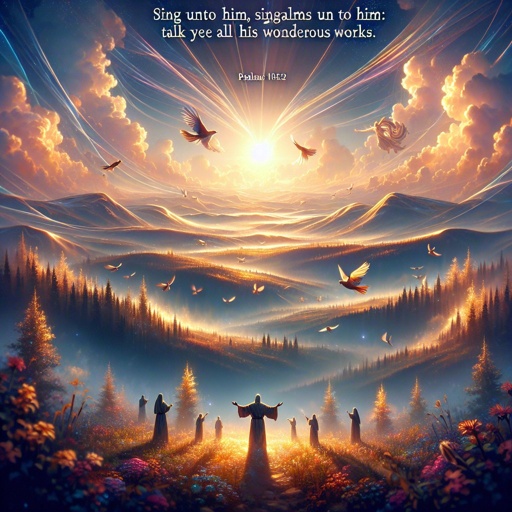
Psalms 105:2 - "Sing unto him, sing psalms unto him: talk ye of all his wondrous works."