What does Psalms 130:2 mean?
“Lord, hear my voice: let thine ears be attentive to the voice of my supplications.” — Psalms 130:2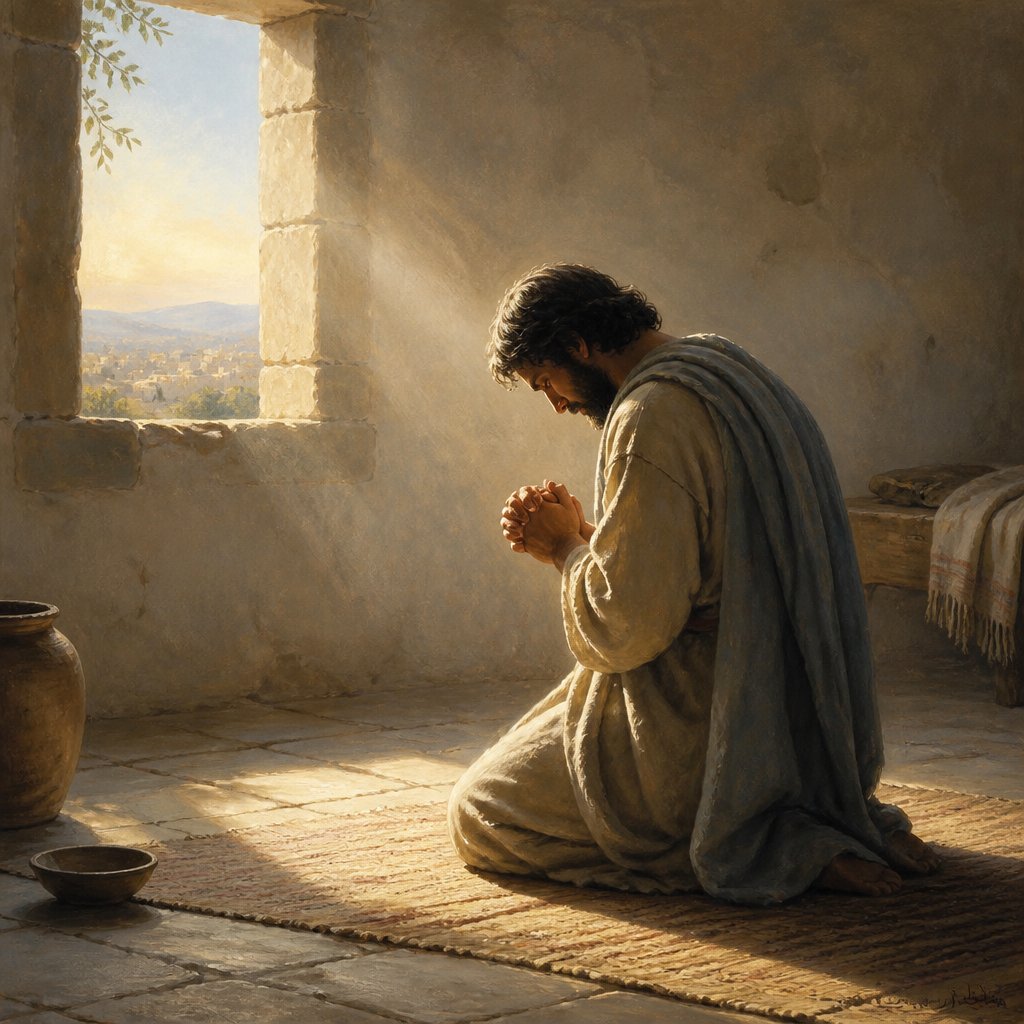
The Bible verse Psalms 130:2 from the King James Version (KJV) states, "Lord, hear my voice: let thine ears be attentive to the voice of my supplications." This verse is a cry from the psalmist to God, asking for His attention, mercy, and grace.
The book of Psalms is a collection of prayers, songs, and poems that express a wide range of human emotions, from joy and praise to despair and lament. It is attributed to King David, a man after God's own heart, and it is believed to have been written over a period of many years. Psalms is often referred to as the hymnbook of the Bible, and it continues to be a source of comfort, guidance, and inspiration for countless believers.
In Psalm 130, the psalmist is crying out to God from the depths of despair, pleading for His mercy and forgiveness. The opening verses of the Psalm set the tone for the entire passage, as the psalmist expresses his deep need for God to hear his voice and be attentive to his supplications. This cry for help is a universal human experience, as we all encounter times of trouble, doubt, and fear. The psalmist's words resonate with believers throughout the ages, as they remind us that we can always turn to God in times of need and that He is always ready to hear our pleas.
The first part of the verse, "Lord, hear my voice," reflects the psalmist's desperate cry for God's attention. It is an acknowledgment of God's sovereignty and power, as the psalmist recognizes that only God can offer the help and comfort he desperately needs. The imagery of God "hearing" the psalmist's voice implies an intimate connection between God and the believer, as God is not distant or indifferent to our struggles, but is actively listening and responding to our prayers.
The second part of the verse, "let thine ears be attentive to the voice of my supplications," further emphasizes the psalmist's plea for God's attention. The word "attentive" suggests careful and deliberate listening, indicating that the psalmist is not simply asking for a passing acknowledgment, but for God to fully engage with his prayers and petitions. The psalmist is seeking God's mercy and favor, appealing to His compassion and willingness to respond to the needs of His people.
The themes of prayer, humility, and dependence on God are evident in this verse. The psalmist's prayer is a powerful reminder of the importance of seeking God in times of trouble and relying on His grace and mercy. It also reflects the biblical truth that God is a loving and merciful Father who is always ready to hear and respond to the cries of His children.
In addition to the themes of prayer and dependence on God, this verse also holds symbolic significance. The act of "hearing" in the Bible often represents understanding, empathy, and intervention. When the psalmist asks God to hear his voice, he is not only requesting that God listens to his words, but that He also understands the depth of his suffering and responds with compassion and help.
Overall, Psalms 130:2 is a poignant expression of the psalmist's deep need for God's presence and intervention in his life. It serves as a powerful reminder for believers to turn to God in times of need, to pour out their hearts in prayer, and to trust in His faithfulness and compassion. This verse continues to offer comfort and hope to those facing difficult circumstances, as it points to God as our source of strength and help in times of trouble.
Get our apps


Artwork for Psalms 130:2

Psalms 130:2 - "Lord, hear my voice: let thine ears be attentive to the voice of my supplications."
"Lord, hear my voice: let thine ears be attentive to the voice of my supplications." - Psalms 130:2

Psalms 130:6 - "My soul waiteth for the Lord more than they that watch for the morning: I say, more than they that watch for the morning."

Psalms 130:4 - "But there is forgiveness with thee, that thou mayest be feared."

Psalms 130:7 - "Let Israel hope in the LORD: for with the LORD there is mercy, and with him is plenteous redemption."

"The entrance of thy words giveth light; it giveth understanding unto the simple." - Psalms 119:130

"And he shall redeem Israel from all his iniquities." - Psalms 130:8

"But there is forgiveness with thee, that thou mayest be feared." - Psalms 130:4

Psalms 130:8 - "And he shall redeem Israel from all his iniquities."

"Let Israel hope in the LORD: for with the LORD there is mercy, and with him is plenteous redemption." - Psalms 130:7

Psalms 119:130 - "The entrance of thy words giveth light; it giveth understanding unto the simple."

Psalms 130:1 - "Out of the depths have I cried unto thee, O LORD."

Psalms 130:3 - "If thou, LORD, shouldest mark iniquities, O Lord, who shall stand?"

Psalms 130:5 - "I wait for the LORD, my soul doth wait, and in his word do I hope."
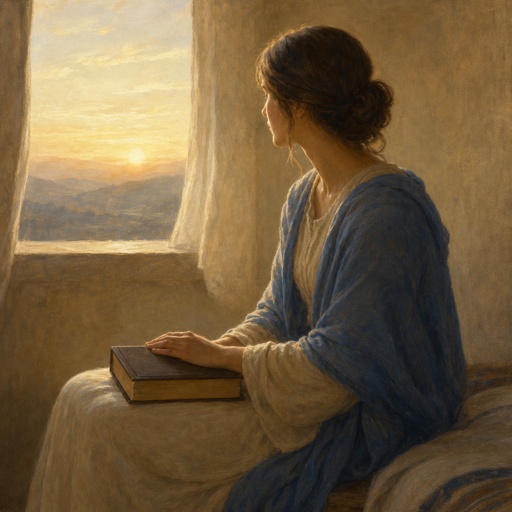
"I wait for the LORD, my soul doth wait, and in his word do I hope." - Psalms 130:5

"My soul waiteth for the Lord more than they that watch for the morning: I say, more than they that watch for the morning." - Psalms 130:6

"I wait for the LORD, my soul doth wait, and in his word do I hope." - Psalms 130:5

"Out of the depths have I cried unto thee, O LORD." - Psalms 130:1
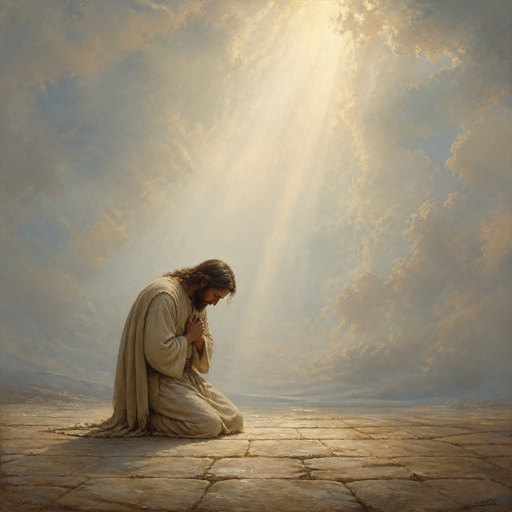
"If thou, LORD, shouldest mark iniquities, O Lord, who shall stand?" - Psalms 130:3

Psalms 81:2 - "Take a psalm, and bring hither the timbrel, the pleasant harp with the psaltery."
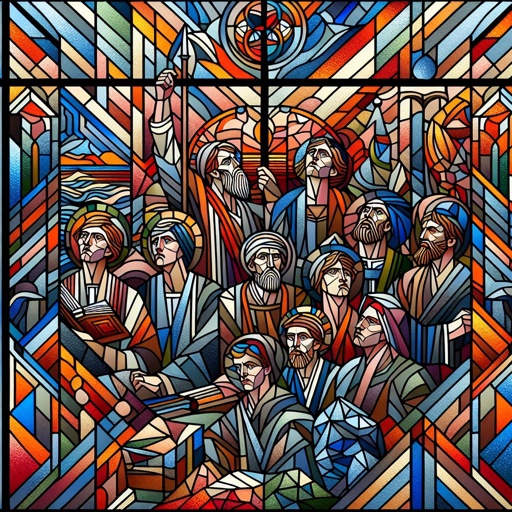
Psalms 115:2 - "Wherefore should the heathen say, Where is now their God?"
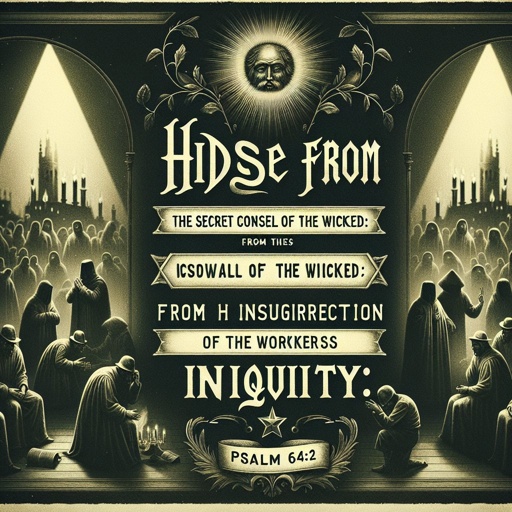
Psalms 64:2 - "Hide me from the secret counsel of the wicked; from the insurrection of the workers of iniquity:"

"Take a psalm, and bring hither the timbrel, the pleasant harp with the psaltery." - Psalms 81:2

Psalms 54:2 - "Hear my prayer, O God; give ear to the words of my mouth."

Psalms 149:2 - "Let Israel rejoice in him that made him: let the children of Zion be joyful in their King."

Psalms 5:2 - "Hearken unto the voice of my cry, my King, and my God: for unto thee will I pray."

Psalms 17:2 - "Let my sentence come forth from thy presence; let thine eyes behold the things that are equal."

Psalms 133:2 - "It is like the precious ointment upon the head, that ran down upon the beard, even Aaron's beard: that went down to the skirts of his garments;"

"Both low and high, rich and poor, together." - Psalms 49:2

Psalms 125:2 - "As the mountains are round about Jerusalem, so the LORD is round about his people from henceforth even for ever."