What does Psalms 133:2 mean?
“It is like the precious ointment upon the head, that ran down upon the beard, even Aaron’s beard: that went down to the skirts of his garments;” — Psalms 133:2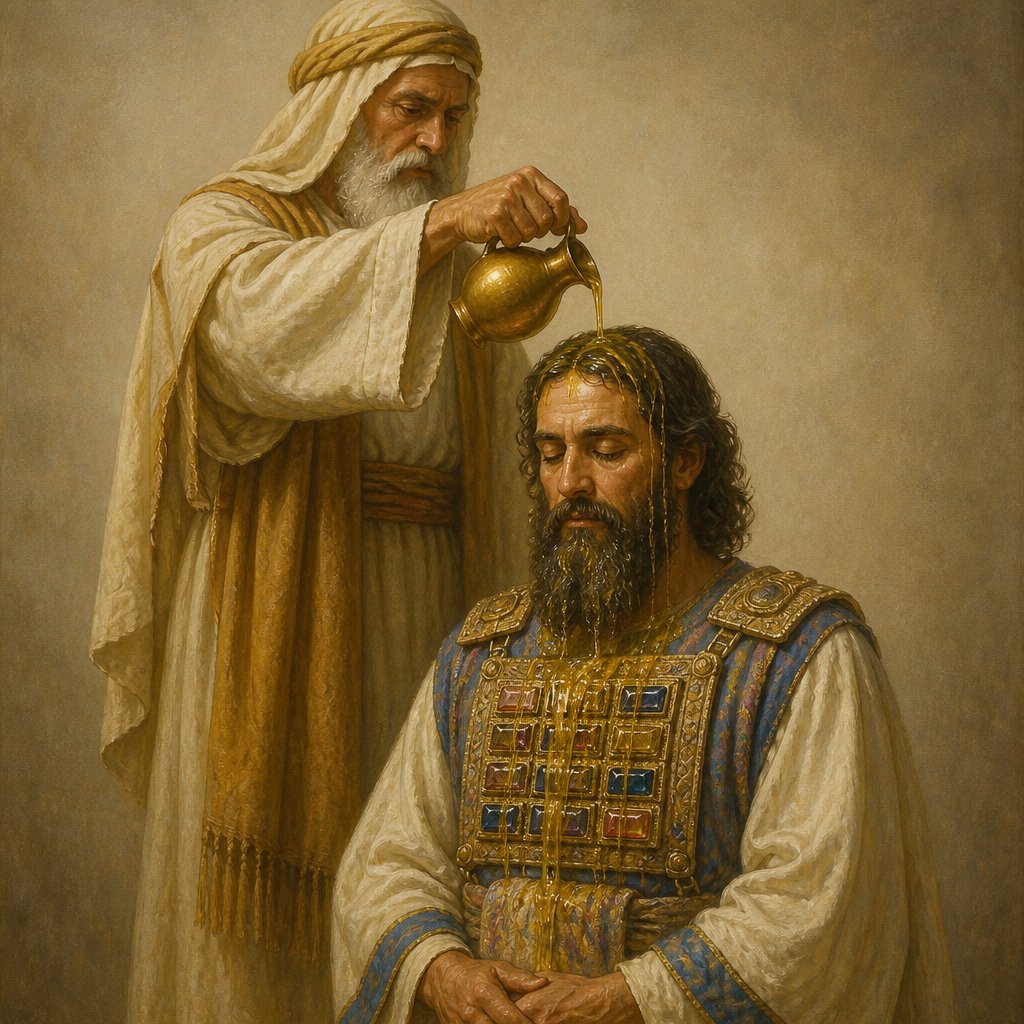
Psalm 133:2 in the King James Version of the Bible reads, "It is like the precious ointment upon the head, that ran down upon the beard, even Aaron's beard: that went down to the skirts of his garments." This verse is part of a larger psalm that focuses on the beauty and power of unity among God's people. The psalmist uses vivid imagery to convey the sense of delight and blessing that comes from living in harmony with one another.
The key theme in this verse is the idea of the anointing oil that was used in religious ceremonies in ancient Israel. Here, the psalmist compares the unity among God's people to this precious ointment that was poured over Aaron, the first high priest of Israel. This comparison is significant because it highlights the value and impact of unity within the community of believers.
The use of the imagery of the anointing oil serves several purposes in this verse. Firstly, it conveys the sense of unity and harmony as something precious and valuable. The anointing oil was a costly and rare substance, often infused with fragrant spices and herbs, and was used to consecrate and set apart individuals for sacred duties. By likening unity to this precious ointment, the psalmist is emphasizing the significance and worth of living in peace and harmony with one another.
Furthermore, the imagery of the oil running down Aaron's beard and onto the hem of his garments emphasizes the widespread and all-encompassing nature of this unity. Just as the anointing oil touched every part of Aaron's being, so too does the unity among God's people permeate and bless every aspect of their lives. The unity is not confined to a particular group or individual but extends to the entire community.
The mention of Aaron, the high priest, in this verse is also significant in that it points to the role of leadership in fostering and maintaining this unity. Aaron was appointed by God to lead and intercede on behalf of the people, and his anointing with oil symbolized the divine authority and blessing upon his leadership. In the same way, leaders within the church are called to promote and nurture unity among the believers, guiding them in the ways of peace, love, and harmony.
Symbolically, the anointing oil also represents the Holy Spirit, who brings about unity and empowers believers to love and serve one another. Throughout the Bible, the anointing with oil is associated with the presence and work of the Holy Spirit, signifying the consecration and empowerment of individuals for God's purposes. In this verse, the unity among God's people is likewise seen as a result of the Spirit's work, bringing them together in love and fellowship.
In the broader context of the psalm, this verse is part of a song of ascents, likely sung by pilgrims as they traveled to Jerusalem for worship. The theme of unity would have been particularly fitting for such a communal gathering, as the people from different regions and backgrounds came together to worship God. The psalmist's emphasis on unity would have served as a reminder to the pilgrims of the importance of living in harmony with their fellow believers, even amidst their diversity.
In conclusion, Psalm 133:2 in the King James Version of the Bible eloquently conveys the beauty and power of unity among God's people through the use of vivid imagery. The comparison to the precious anointing oil highlights the value and impact of unity within the community of believers, emphasizing its widespread and all-encompassing nature. Additionally, the verse points to the role of leaders in promoting and nurturing unity and symbolizes the work of the Holy Spirit in bringing believers together in love and fellowship. This timeless message of unity continues to resonate with believers today, reminding them of the blessing and delight that comes from living in harmony with one another.
Get our apps


Artwork for Psalms 133:2

Psalms 133:2 - "It is like the precious ointment upon the head, that ran down upon the beard, even Aaron's beard: that went down to the skirts of his garments;"
"It is like the precious ointment upon the head, that ran down upon the beard, even Aaron's beard: that went down to the skirts of his garments;" - Psalms 133:2
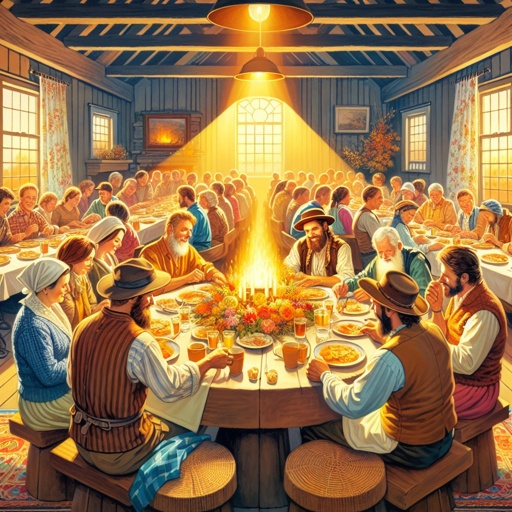
Psalms 133:1 - "Behold, how good and how pleasant it is for brethren to dwell together in unity!"

Psalms 119:133 - "Order my steps in thy word: and let not any iniquity have dominion over me."

Psalms 133:3 - "As the dew of Hermon, and as the dew that descended upon the mountains of Zion: for there the LORD commanded the blessing, even life for evermore."

"As the dew of Hermon, and as the dew that descended upon the mountains of Zion: for there the LORD commanded the blessing, even life for evermore." - Psalms 133:3

Psalms 133:1 - "Behold, how good and how pleasant it is for brethren to dwell together in unity!"

"Behold, how good and how pleasant it is for brethren to dwell together in unity!" - Psalms 133:1

"Order my steps in thy word: and let not any iniquity have dominion over me." - Psalms 119:133

Psalms 81:2 - "Take a psalm, and bring hither the timbrel, the pleasant harp with the psaltery."
Psalms 115:2 - "Wherefore should the heathen say, Where is now their God?"
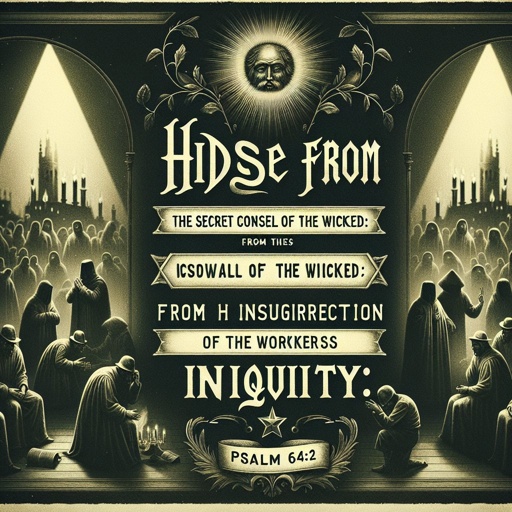
Psalms 64:2 - "Hide me from the secret counsel of the wicked; from the insurrection of the workers of iniquity:"

"Take a psalm, and bring hither the timbrel, the pleasant harp with the psaltery." - Psalms 81:2

Psalms 54:2 - "Hear my prayer, O God; give ear to the words of my mouth."

Psalms 149:2 - "Let Israel rejoice in him that made him: let the children of Zion be joyful in their King."

Psalms 5:2 - "Hearken unto the voice of my cry, my King, and my God: for unto thee will I pray."

Psalms 17:2 - "Let my sentence come forth from thy presence; let thine eyes behold the things that are equal."

"Both low and high, rich and poor, together." - Psalms 49:2

"Blessed be the name of the LORD from this time forth and for evermore." - Psalms 113:2

Psalms 125:2 - "As the mountains are round about Jerusalem, so the LORD is round about his people from henceforth even for ever."

Psalm 95:1-2 - "O come, let us sing unto the Lord: let us make a joyful noise to the rock of our salvation. Let us come before his presence with thanksgiving, and make a joyful noise unto him with psalms."

"We hanged our harps upon the willows in the midst thereof." - Psalms 137:2

Psalms 95:2 - "Let us come before his presence with thanksgiving, and make a joyful noise unto him with psalms."

"For he hath founded it upon the seas, and established it upon the floods." - Psalms 24:2

Psalms 105:2 - "Sing unto him, sing psalms unto him: talk ye of all his wondrous works."

"Let Israel now say, that his mercy endureth for ever." - Psalms 118:2

"Out of Zion, the perfection of beauty, God hath shined." - Psalms 50:2

"For they shall soon be cut down like the grass, and wither as the green herb." - Psalms 37:2

"Take hold of shield and buckler, and stand up for mine help." - Psalms 35:2

"To shew forth thy lovingkindness in the morning, and thy faithfulness every night," - Psalms 92:2