What does Psalms 137:6 mean?
“If I do not remember thee, let my tongue cleave to the roof of my mouth; if I prefer not Jerusalem above my chief joy.” — Psalms 137:6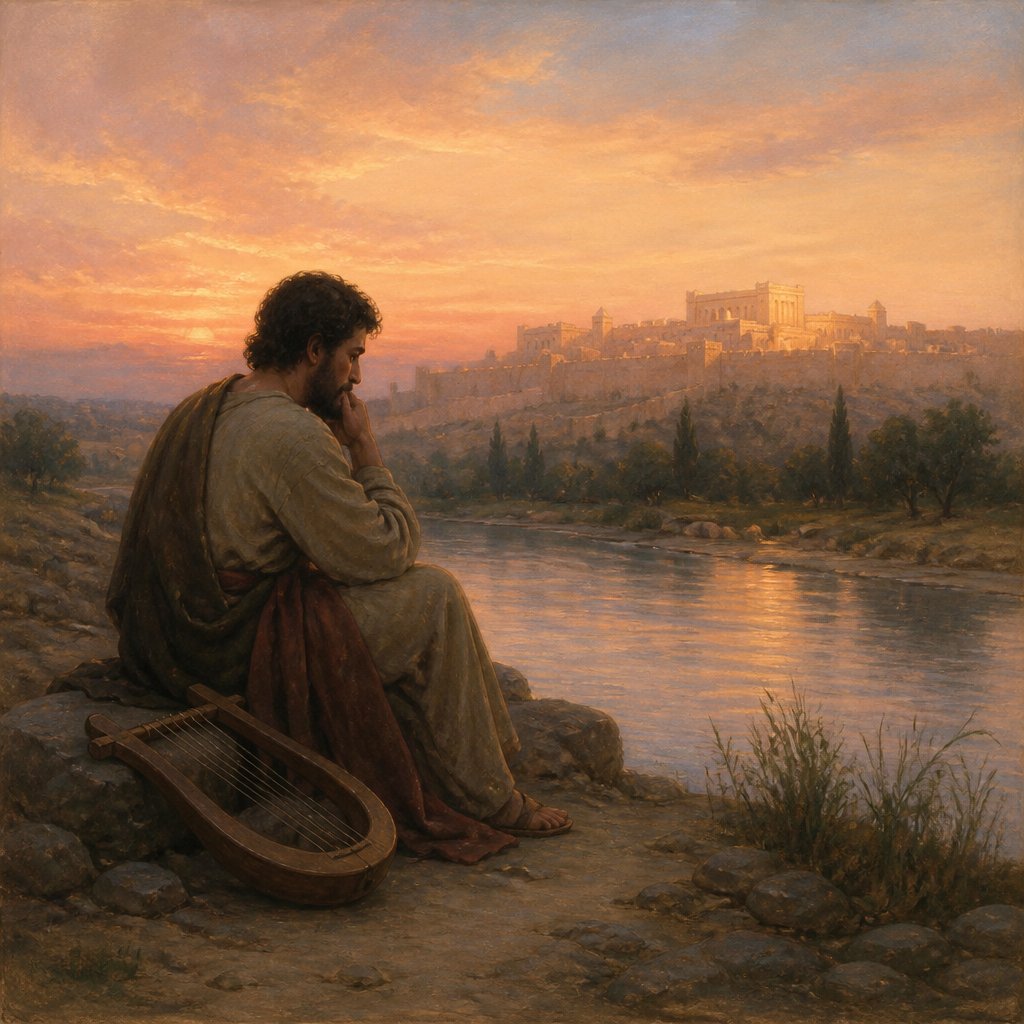
Psalms 137:6 in the King James Version of the Bible reads: "If I do not remember thee, let my tongue cleave to the roof of my mouth; if I prefer not Jerusalem above my chief joy." This verse is part of Psalm 137, which is a reflection on the Israelites' exile in Babylon. The psalm expresses the deep sorrow and longing the Israelites felt for their homeland, Jerusalem, and their yearning to return to it.
The verse begins with a declaration of the speaker's commitment to remember Jerusalem. The sentiment expressed here is one of unwavering loyalty and dedication to their homeland, despite being physically removed from it. The speaker pledges that if they fail to remember Jerusalem, then their tongue should cling to the roof of their mouth, rendering them mute. This dramatic imagery conveys the seriousness of the speaker's vow, highlighting the central importance of memory and allegiance to Jerusalem.
The second part of the verse provides further insight into the speaker's mindset. They declare that even over their "chief joy," they would still prefer Jerusalem. This signifies the unparalleled significance of Jerusalem in the speaker's life, surpassing all other sources of happiness and fulfillment. It demonstrates a profound attachment to their homeland, a love that transcends personal desires and pleasures.
The themes present in this verse are deeply rooted in the historical and cultural context of the Israelites' exile. The Babylonian captivity was a significant event in Jewish history, marking a period of displacement and suffering for the people of Israel. During this time, they longed for their homeland and lamented the loss of their temple and the destruction of Jerusalem. Psalm 137 captures the communal anguish and fervent desire for restoration felt by the Israelites during this period.
The verse also reflects the theme of loyalty and devotion to God and the homeland. The speaker's visceral commitment to remembering Jerusalem and prioritizing it above all else underscores their unwavering faith and connection to their roots. It speaks to the resilience of their identity and the enduring hope for a return to their beloved city.
Symbolism is also evident in this verse, particularly in the use of the tongue as a metaphor for speech and remembrance. The imagery of the tongue cleaving to the roof of the mouth conveys the dire consequences of forgetting Jerusalem, emphasizing the vital role of memory in preserving the legacy and significance of the homeland. Additionally, the juxtaposition of Jerusalem with the speaker's "chief joy" symbolizes the incomparable value and sacredness of the city, elevating it above all other sources of happiness.
Overall, Psalms 137:6 in the King James Version encapsulates the profound yearning and unwavering devotion of the Israelites for their homeland, Jerusalem. It embodies themes of exile, longing, loyalty, and the enduring connection to God and the land of Israel. This verse serves as a poignant reminder of the enduring legacy of Jerusalem and the unyielding faith of the Israelites, offering timeless insight into the human experience of longing for a sense of belonging and home.
Get our apps


Artwork for Psalms 137:6

Psalms 137:6 - "If I do not remember thee, let my tongue cleave to the roof of my mouth; if I prefer not Jerusalem above my chief joy."

"If I do not remember thee, let my tongue cleave to the roof of my mouth; if I prefer not Jerusalem above my chief joy." - Psalms 137:6

"Righteous art thou, O LORD, and upright are thy judgments." - Psalms 119:137

Psalms 137:2 - "We hanged our harps upon the willows in the midst thereof."

Psalms 119:137 - "Righteous art thou, O LORD, and upright are thy judgments."

"How shall we sing the LORD'S song in a strange land?" - Psalms 137:4

"We hanged our harps upon the willows in the midst thereof." - Psalms 137:2

Psalms 137:4 - "How shall we sing the LORD'S song in a strange land?"

Psalms 137:9 - "Happy shall he be, that taketh and dasheth thy little ones against the stones."

"Happy shall he be, that taketh and dasheth thy little ones against the stones." - Psalms 137:9

Psalms 137:1 - "By the rivers of Babylon, there we sat down, yea, we wept, when we remembered Zion."

Psalms 137:5 - "If I forget thee, O Jerusalem, let my right hand forget her cunning."

"If I forget thee, O Jerusalem, let my right hand forget her cunning." - Psalms 137:5

Psalms 137:7 - "Remember, O LORD, the children of Edom in the day of Jerusalem; who said, Rase it, rase it, even to the foundation thereof."

"By the rivers of Babylon, there we sat down, yea, we wept, when we remembered Zion." - Psalms 137:1

Psalms 137:8 - "O daughter of Babylon, who art to be destroyed; happy shall he be, that rewardeth thee as thou hast served us."

PSALMS 137;5 SHOWING THE OLD CITY OF JERUSALEM

"O daughter of Babylon, who art to be destroyed; happy shall he be, that rewardeth thee as thou hast served us." - Psalms 137:8

Psalms 137:3 - "For there they that carried us away captive required of us a song; and they that wasted us required of us mirth, saying, Sing us one of the songs of Zion."

"For there they that carried us away captive required of us a song; and they that wasted us required of us mirth, saying, Sing us one of the songs of Zion." - Psalms 137:3

Psalms 126:6
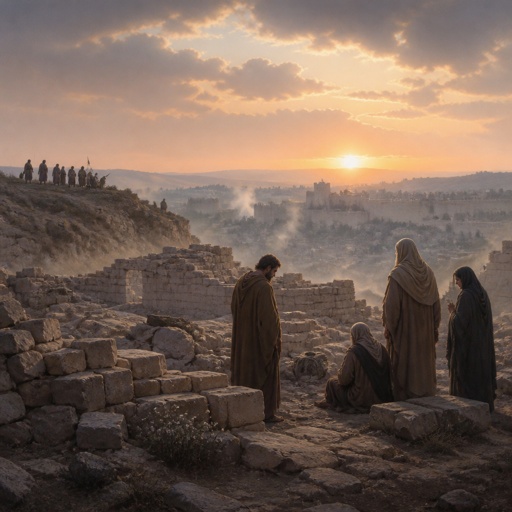
"Remember, O LORD, the children of Edom in the day of Jerusalem; who said, Rase it, rase it, even to the foundation thereof." - Psalms 137:7
Psalms 115:6 - "They have ears, but they hear not: noses have they, but they smell not:"
Psalms 30:6 - "And in my prosperity I said, I shall never be moved."

Psalms 129:6 - "Let them be as the grass upon the housetops, which withereth afore it groweth up:"

Psalms 144:6 - "Cast forth lightning, and scatter them: shoot out thine arrows, and destroy them."

Psalms 74:6 - "But now they break down the carved work thereof at once with axes and hammers."

Psalms 6:6

Psalms 80:6 - "Thou makest us a strife unto our neighbours: and our enemies laugh among themselves."

Psalms 114:6 - "Ye mountains, that ye skipped like rams; and ye little hills, like lambs?"