What does Psalms 137:8 mean?
“O daughter of Babylon, who art to be destroyed; happy shall he be, that rewardeth thee as thou hast served us.” — Psalms 137:8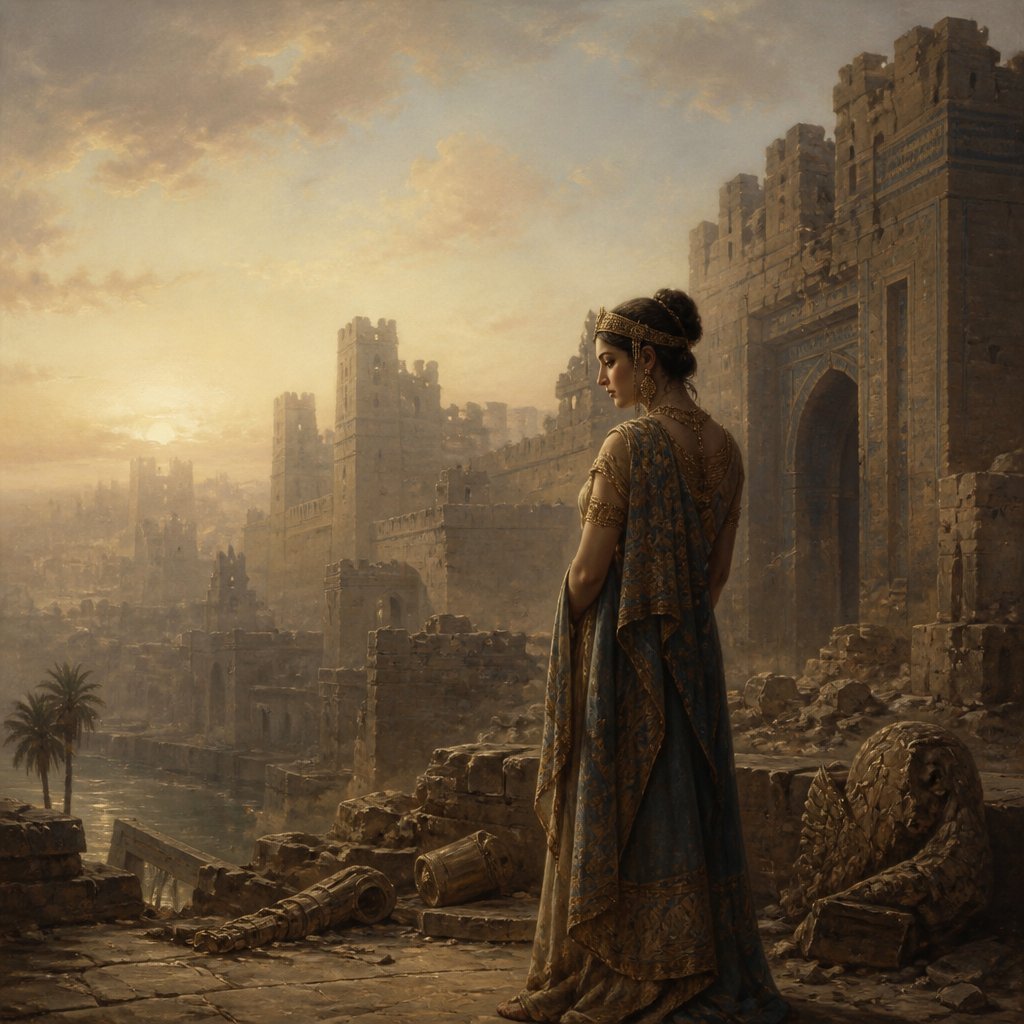
The Bible verse Psalms 137:8, from the King James Version, reads "O daughter of Babylon, who art to be destroyed; happy shall he be, that rewardeth thee as thou hast served us." This verse is part of Psalm 137, which is a powerful and emotional reflection of the exile of the Israelites in Babylon.
The overarching theme of Psalm 137 is the sorrow and longing of the Israelites for their homeland. The psalm was likely written during the Babylonian exile, when the Israelites were forcibly removed from their homeland and taken to Babylon. The imagery in the psalm is vivid and filled with pain, as the author describes the difficult and oppressive conditions of their exile. The tone of the psalm is one of deep mourning and lament, as the Israelites express their anguish over being forced to leave their beloved Jerusalem.
In verse 8, the reference to the "daughter of Babylon" is a personification of the city of Babylon itself. The speaker is addressing Babylon as a woman, possibly as a symbol of the city's power and influence. The phrase "who art to be destroyed" reflects the belief among the Israelites that Babylon would eventually suffer destruction for their oppression of God's chosen people. This verse reflects the idea of divine justice and retribution, as the speaker expresses the hope that Babylon will be rewarded in kind for the suffering they have inflicted on the Israelites.
The sentiment expressed in this verse is one of vindication and justice. The speaker expresses happiness at the idea of Babylon receiving retribution for the harm they have caused. This reflects the deep sense of righteous anger and longing for justice that is prevalent throughout the psalm. The Israelites were enduring unimaginable suffering and hardship in exile, and this verse expresses their desire for the tables to be turned and for their oppressors to face the consequences of their actions.
The context of Psalm 137 is crucial for understanding the significance of this verse. The Babylonian exile was a pivotal and traumatic event in Jewish history, and the experiences of the Israelites during this time shaped their identity and beliefs for generations to come. The psalm reflects the deep sense of loss and longing that the Israelites felt for their homeland, as well as their struggle to make sense of their suffering in the face of God's promises.
In addition to the historical context, Psalm 137 also holds spiritual significance for believers. The psalm reflects the enduring faith of the Israelites, even in the midst of their suffering. It speaks to the universal human experience of longing for home and the pain of separation from what is familiar and sacred. It also raises important questions about the nature of justice and the ways in which God's people can find comfort and hope in the midst of adversity.
The symbolism in this verse is powerful and evocative. The image of Babylon as a woman being "rewarded" for her actions conveys a sense of the kind of poetic justice that the Israelites longed for. It reflects the belief in divine retribution and the ultimate triumph of God's justice over the wickedness of humanity. The feelings expressed in this verse are raw and unfiltered, mirroring the intense emotions that the Israelites were experiencing during their exile.
In conclusion, Psalm 137:8 is a verse that speaks to the deep and complex emotions of the Israelites during the Babylonian exile. It reflects their longing for justice and the hope for vindication in the face of their suffering. This verse is a powerful reminder of the enduring faith and resilience of God's people, even in the midst of great hardship. It speaks to the universal human experience of longing for justice and the desire for redemption in the face of injustice.
Get our apps


Artwork for Psalms 137:8

Psalms 137:8 - "O daughter of Babylon, who art to be destroyed; happy shall he be, that rewardeth thee as thou hast served us."

"O daughter of Babylon, who art to be destroyed; happy shall he be, that rewardeth thee as thou hast served us." - Psalms 137:8

"Righteous art thou, O LORD, and upright are thy judgments." - Psalms 119:137

Psalms 137:2 - "We hanged our harps upon the willows in the midst thereof."

Psalms 119:137 - "Righteous art thou, O LORD, and upright are thy judgments."

"How shall we sing the LORD'S song in a strange land?" - Psalms 137:4

"We hanged our harps upon the willows in the midst thereof." - Psalms 137:2

Psalms 137:4 - "How shall we sing the LORD'S song in a strange land?"

Psalms 137:9 - "Happy shall he be, that taketh and dasheth thy little ones against the stones."

"Happy shall he be, that taketh and dasheth thy little ones against the stones." - Psalms 137:9

Psalms 137:1 - "By the rivers of Babylon, there we sat down, yea, we wept, when we remembered Zion."

Psalms 137:5 - "If I forget thee, O Jerusalem, let my right hand forget her cunning."

"If I forget thee, O Jerusalem, let my right hand forget her cunning." - Psalms 137:5

Psalms 137:7 - "Remember, O LORD, the children of Edom in the day of Jerusalem; who said, Rase it, rase it, even to the foundation thereof."

"By the rivers of Babylon, there we sat down, yea, we wept, when we remembered Zion." - Psalms 137:1

PSALMS 137;5 SHOWING THE OLD CITY OF JERUSALEM

Psalms 137:3 - "For there they that carried us away captive required of us a song; and they that wasted us required of us mirth, saying, Sing us one of the songs of Zion."

Psalms 137:6 - "If I do not remember thee, let my tongue cleave to the roof of my mouth; if I prefer not Jerusalem above my chief joy."

"If I do not remember thee, let my tongue cleave to the roof of my mouth; if I prefer not Jerusalem above my chief joy." - Psalms 137:6

"For there they that carried us away captive required of us a song; and they that wasted us required of us mirth, saying, Sing us one of the songs of Zion." - Psalms 137:3
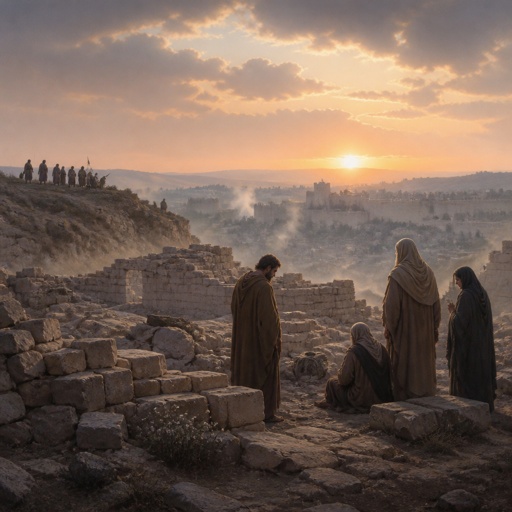
"Remember, O LORD, the children of Edom in the day of Jerusalem; who said, Rase it, rase it, even to the foundation thereof." - Psalms 137:7
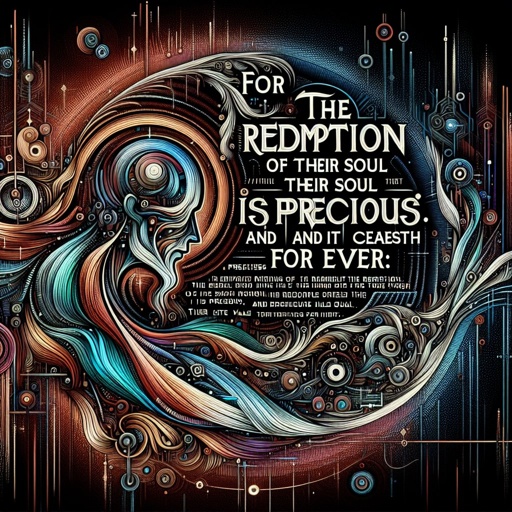
Psalms 49:8 - "(For the redemption of their soul is precious, and it ceaseth for ever:)"

"All sheep and oxen, yea, and the beasts of the field;" - Psalms 8:7

"To bind their kings with chains, and their nobles with fetters of iron;" - Psalms 149:8

"But thou, LORD, art most high for evermore." - Psalms 92:8

Psalms 78:8 - "And might not be as their fathers, a stubborn and rebellious generation; a generation that set not their heart aright, and whose spirit was not stedfast with God."

"They are brought down and fallen: but we are risen, and stand upright." - Psalms 20:8

"Let the floods clap their hands: let the hills be joyful together" - Psalms 98:8

"And he shall redeem Israel from all his iniquities." - Psalms 130:8

"They are corrupt, and speak wickedly concerning oppression: they speak loftily." - Psalms 73:8