What does Psalms 18:20 mean?
“The LORD rewarded me according to my righteousness; according to the cleanness of my hands hath he recompensed me.” — Psalms 18:20
Psalms 18:20 (KJV) reads, "The Lord rewarded me according to my righteousness; according to the cleanness of my hands hath he recompensed me." This verse is part of a larger psalm that is attributed to David, who is seen as not only a king and a warrior, but also a poet and musician. The psalm is centered around the theme of deliverance from enemies and the faithfulness of God.
In this verse, David is expressing his belief that God rewards people based on their righteousness and the purity of their actions. This establishment of a direct relationship between one's behavior and the rewards bestowed by God is a common theme in the Hebrew Bible, as the idea of divine retribution is a central aspect of Israelite theology. It reflects a belief that God is just and fair, and that he takes an active role in rewarding those who are righteous and punishing those who are not.
The phrase "according to the cleanness of my hands" is a metaphor for maintaining a life free from sin and moral impurity. In the ancient Near East, clean hands were associated with innocence and righteousness, while dirty hands were symbolic of guilt and wrongdoing. Therefore, when David speaks of the "cleanness of my hands," he is not only referring to physical cleanliness, but also moral righteousness.
The verse also emphasizes the personal nature of the relationship between David and God. David believes that God's rewards to him are directly related to his own righteousness and purity, indicating a deep sense of personal devotion and spiritual connection to God. This idea of individual responsibility and accountability before God is a key theme in the Hebrew Bible, as it underscores the importance of personal morality and ethical conduct.
Contextually, this verse is situated within a larger psalm that recounts David's experiences of being pursued by enemies and calling upon God for deliverance. In the preceding verses, David vividly describes the dangers he faced and the miraculous ways in which God intervened to save him. The psalm is a powerful proclamation of God's faithfulness and protection, and David's confidence in God's ability to rescue him from his enemies.
In terms of symbolism, the verse can be seen as a representation of the overarching theme of divine justice and the idea of God as a righteous judge. The imagery of God as a just and fair arbiter who rewards individuals according to their actions is prevalent throughout the Hebrew Bible, and it is reflected in David's words in this verse. The concept of divine retribution is a recurring motif in the Psalms, and it serves to underscore the belief in God's sovereignty and the ultimate triumph of righteousness over evil.
Overall, Psalms 18:20 (KJV) is a powerful declaration of God's faithfulness and justice, as well as a reflection of David's unwavering trust in God's protection and provision. It encapsulates the themes of divine retribution, personal righteousness, and the intimate relationship between the individual and God. As such, this verse continues to resonate with believers today, as it speaks to the enduring relevance of faith and the timeless truths found in the Psalms.
Get our apps


Artwork for Psalms 18:20

Psalms 18:20 - "The LORD rewarded me according to my righteousness; according to the cleanness of my hands hath he recompensed me."
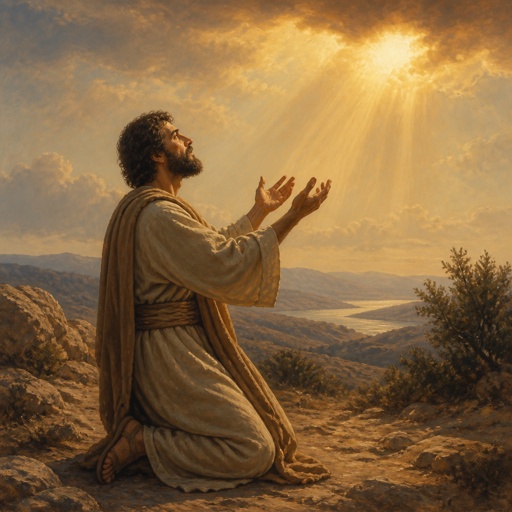
"The LORD rewarded me according to my righteousness; according to the cleanness of my hands hath he recompensed me." - Psalms 18:20

Psalms 20 7

Psalms 136:18 - "And slew famous kings: for his mercy endureth for ever:"

Psalms 22:18 - "They part my garments among them, and cast lots upon my vesture."

"They prevented me in the day of my calamity: but the LORD was my stay." - Psalms 18:18

"Man that is in honour, and understandeth not, is like the beasts that perish." - Psalms 49:20

"Thus they changed their glory into the similitude of an ox that eateth grass." - Psalms 106:20

"And Og the king of Bashan: for his mercy endureth for ever:" - Psalms 136:20

"The high hills are a refuge for the wild goats; and the rocks for the conies." - Psalms 104:18

"They are brought down and fallen: but we are risen, and stand upright." - Psalms 20:8

Psalms 18:18 - "They prevented me in the day of my calamity: but the LORD was my stay."

"It is God that avengeth me, and subdueth the people under me." - Psalms 18:47

"The LORD knoweth the days of the upright: and their inheritance shall be for ever." - Psalms 37:18

Psalms 34:18

Psalms 34:18

"The strangers shall fade away, and be afraid out of their close places." - Psalms 18:45

"He keepeth all his bones: not one of them is broken." - Psalms 34:20

"And slew famous kings: for his mercy endureth for ever:" - Psalms 136:18

"For who is God save the LORD? or who is a rock save our God?" - Psalms 18:31
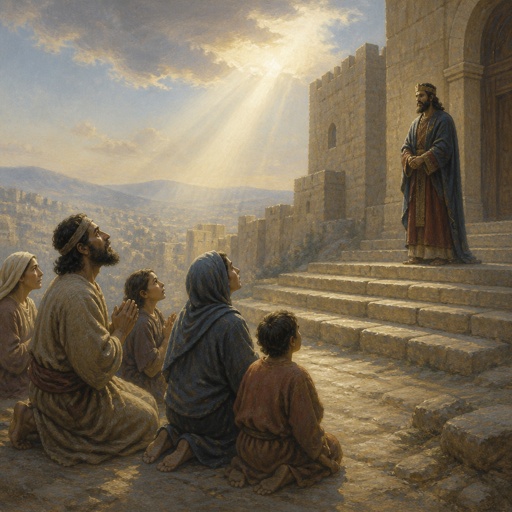
"Save, LORD: let the king hear us when we call." - Psalms 20:9

"The LORD is nigh unto them that are of a broken heart; and saveth such as be of a contrite spirit." - Psalms 34:18
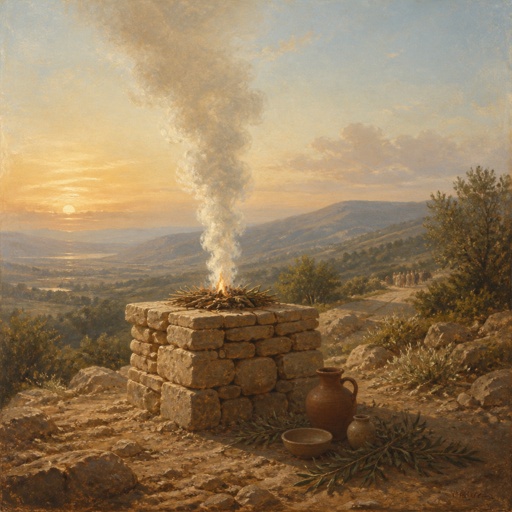
"Remember all thy offerings, and accept thy burnt sacrifice; Selah." - Psalms 20:3

Psalms 72:20 - "The prayers of David the son of Jesse are ended."
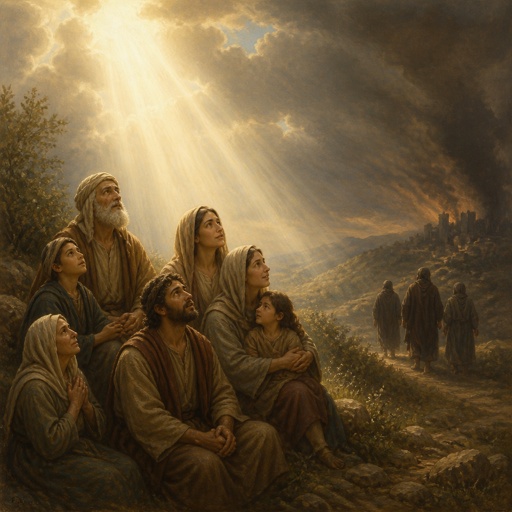
"The LORD preserveth all them that love him: but all the wicked will he destroy." - Psalms 145:20

Psalms 118:20 - "This gate of the LORD, into which the righteous shall enter."

Psalms 49:20 - "Man that is in honour, and understandeth not, is like the beasts that perish."
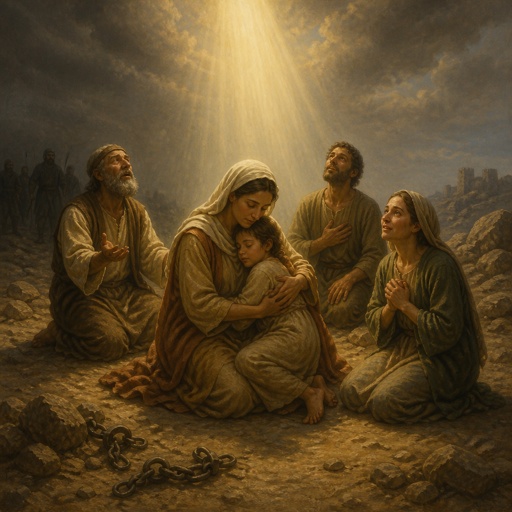
"He sent his word, and healed them, and delivered them from their destructions." - Psalms 107:20
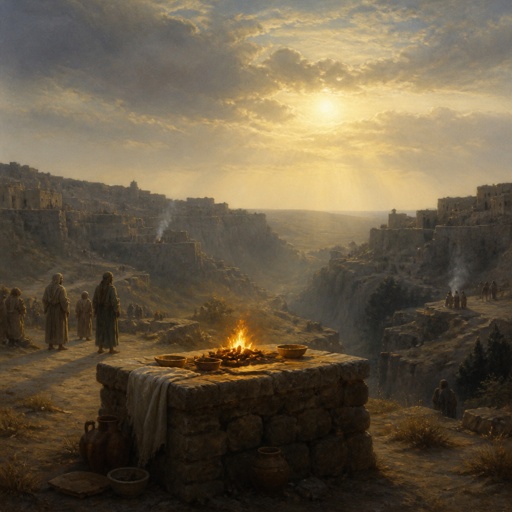
"Have respect unto the covenant: for the dark places of the earth are full of the habitations of cruelty." - Psalms 74:20

Psalms 78:18 - "And they tempted God in their heart by asking meat for their lust."