What does Psalms 18:32-33 mean?
“[It is] God that girdeth me with strength, and maketh my way perfect. He maketh my feet like hinds’ [feet], and setteth me upon my high places.” — Psalms 18:32-33!["[It is] God that girdeth me with strength, and maketh my way perfect.
He maketh my feet like hinds’ [feet], and setteth me upon my high places." - Psalms 18:32-33](https://media.bible.art/cff797f3-84c8-4f51-b5e6-2b40db5eb1f9-compressed.jpg)
Psalm 18 is David’s song of deliverance, a psalm of testimony in which he looks back over seasons of danger, pursuit, and warfare and confesses that his preservation and victories were not ultimately the product of his own strength or skill, but of the LORD’s intervention. The setting is personal and historical—David as the anointed king who survived Saul, subdued enemies, and was established in his kingdom—but the language is also intentionally exalted and poetic, so that David’s experience becomes a pattern for understanding how God saves, strengthens, and establishes His people. In that flow of praise, Psalm 18:32–33 gathers up a central theme of the whole psalm: God is the source of the believer’s strength and stability.
The verses in the KJV read, “It is God that girdeth me with strength, and maketh my way perfect. He maketh my feet like hinds’ feet, and setteth me upon my high places.” David is not describing a vague encouragement or inner optimism; he is declaring a concrete divine enabling. “It is God” is emphatic. The subject of the action is the LORD, and David is the receiver. In the logic of the psalm, deliverance is not merely God removing danger from the outside, but God furnishing strength on the inside and ordering the path beneath the feet. That is why these lines appear after David has already spoken of God as shield and refuge: the same God who protects also equips.
The phrase “girdeth me with strength” comes from the image of a man binding up his garments and tightening his belt before labor or battle. To be “girded” is to be made ready, strengthened for exertion, and prepared to move without hindrance. David’s confession means his readiness for conflict, his stamina, and his capacity to stand were not self-generated. The strength he needed was given, and the giving of it was continual—“girdeth” is presented as God’s ongoing action. This also presses a spiritual theme that runs throughout Scripture: when God calls a person into hardship, responsibility, or conflict, He does not merely demand performance; He supplies power. David is praising God not only for the outcome of victory, but for the enabling that made faithful endurance possible.
“And maketh my way perfect” does not mean David is claiming sinlessness, nor is he saying his life contained no moral failures. In this psalm, “way” has the sense of path, course, manner of life, and the route by which one proceeds. God “maketh” it “perfect” in the sense of making it complete, sound, and fit for its purpose—straightening what would otherwise be crooked, bringing to maturity what would otherwise remain incomplete, and ordering David’s steps so that his calling reaches the end God intends. It is a statement of providence and sanctifying guidance: the LORD does not only rescue in crises; He shapes the whole journey so that it arrives where God has appointed. Within the context of David’s kingship, this includes God establishing him lawfully and securely in the throne despite opposition. Within the broader spiritual meaning, it testifies that God is able to bring a believer’s course to the intended end, not by human control, but by divine direction.
The symbolism intensifies in verse 33: “He maketh my feet like hinds’ feet.” A “hind” is a deer, and the image highlights agility, sure-footedness, and speed in rugged terrain. In the ancient landscape of Israel, high places and rocky slopes could be dangerous; a misstep could mean ruin. The hind moves confidently where others would stumble. David uses that picture to say God gave him stability where the natural footing is uncertain—whether that “terrain” is literal warfare in hills and strongholds, or the shifting circumstances of persecution and political upheaval. The hind’s feet represent a God-given capacity to stand and advance in places that would normally produce fear, instability, or defeat. It is not bravado; it is the praise of one who knows he would have fallen without God’s enabling.
“And setteth me upon my high places” draws on the imagery of elevation, safety, and vantage. “High places” can suggest strongholds and secure positions that are difficult for enemies to reach, as well as places from which one can see clearly. In David’s experience, God repeatedly lifted him from vulnerable positions into places of refuge, and ultimately raised him into the settled authority of kingship. Yet in the psalm’s spiritual logic, the movement from low to high also signifies exaltation by grace: God brings His servant out of danger and establishes him above the threat. The verb “setteth” is important. David is not saying he climbed there by his own strategy alone; God placed him, established him, fixed him in a secure standing. The “high places” are therefore not merely geographic; they symbolize a condition of stability and security granted by God, as well as triumph over the circumstances that once pressed him down.
Taken together, Psalm 18:32–33 presents a portrait of God’s saving work that is both practical and worshipful. The LORD equips for conflict, orders the path, grants stability, and establishes the believer in a secure standing. The themes are strength received rather than achieved, guidance that makes the course “perfect,” and sure-footed perseverance in dangerous places. In David’s mouth, these are not abstract doctrines but lived realities turned into praise. The significance of the verses is that they relocate confidence away from the self and into God: if the LORD “girdeth,” “maketh,” and “setteth,” then the believer’s survival and progress are ultimately anchored in divine power and divine placement. David’s song becomes an invitation to read one’s own deliverances the same way—not as accidents or mere human resilience, but as the hand of God strengthening, straightening, and establishing.
Get our apps


Artwork for Psalms 18:32-33
!["[It is] God that girdeth me with strength, and maketh my way perfect.
He maketh my feet like hinds’ [feet], and setteth me upon my high places." - Psalms 18:32-33](https://media.bible.art/039b65c6-b9e4-49e6-afb8-c614dad719ad-thumbnail.jpg)
"[It is] God that girdeth me with strength, and maketh my way perfect. He maketh my feet like hinds’ [feet], and setteth me upon my high places." - Psalms 18:32-33

Psalms 18:32 - "It is God that girdeth me with strength, and maketh my way perfect."

Psalms 33:18 - "Behold, the eye of the LORD is upon them that fear him, upon them that hope in his mercy;"

Psalms 18:33 - "He maketh my feet like hinds' feet, and setteth me upon my high places."
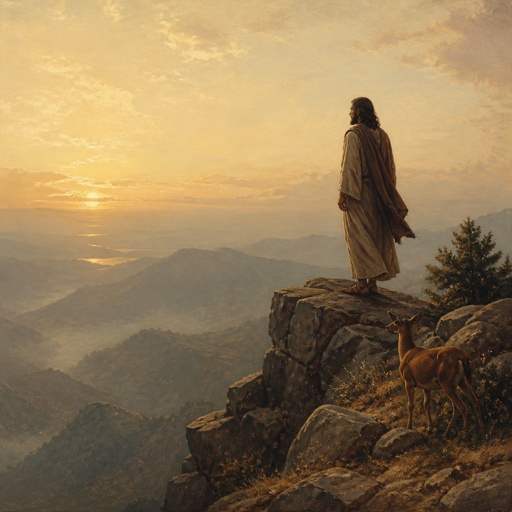
"He maketh my feet like hinds' feet, and setteth me upon my high places." - Psalms 18:33
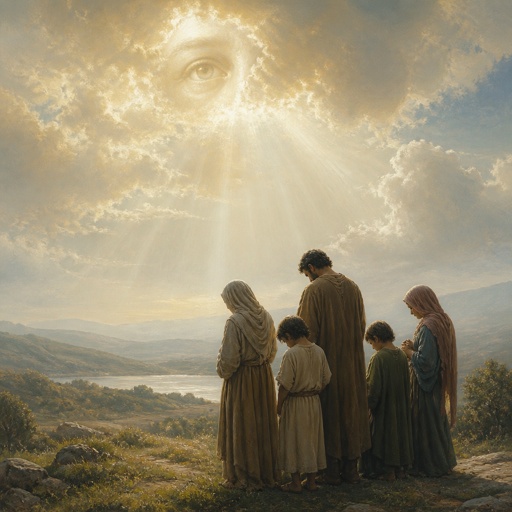
"Behold, the eye of the LORD is upon them that fear him, upon them that hope in his mercy;" - Psalms 33:18

"It is God that girdeth me with strength, and maketh my way perfect." - Psalms 18:32

Psalms 119:32 - "I will run the way of thy commandments, when thou shalt enlarge my heart."

"For the LORD heareth the poor, and despiseth not his prisoners." - Psalms 69:33

"He turneth rivers into a wilderness, and the watersprings into dry ground;" - Psalms 107:33

"Therefore their days did he consume in vanity, and their years in trouble." - Psalms 78:33

Psalms 136:18 - "And slew famous kings: for his mercy endureth for ever:"

"For the word of the LORD is right; and all his works are done in truth." - Psalms 33:4

"To deliver their soul from death, and to keep them alive in famine." - Psalms 33:19

"For the word of the LORD is right; and all his works are done in truth." - Psalms 33:4

"He loveth righteousness and judgment: the earth is full of the goodness of the LORD." - Psalms 33:5
!["[It is] God that girdeth me with strength, and maketh my way perfect.
He maketh my feet like hinds’ [feet], and setteth me upon my high places." - Psalm 18:32-33](https://media.bible.art/5c086dee-c7cc-4651-b9dd-0d35a2822a27-thumbnail.jpg)
"[It is] God that girdeth me with strength, and maketh my way perfect. He maketh my feet like hinds’ [feet], and setteth me upon my high places." - Psalm 18:32-33

Psalms 22:18 - "They part my garments among them, and cast lots upon my vesture."

Psalms 69:33 - "For the LORD heareth the poor, and despiseth not his prisoners."

"They prevented me in the day of my calamity: but the LORD was my stay." - Psalms 18:18

Psalms 37:32 - "The wicked watcheth the righteous, and seeketh to slay him."

Numbers 32:33

"There is no king saved by the multitude of an host: a mighty man is not delivered by much strength." - Psalms 33:16

Psalms 33:9 - "For he spake, and it was done; he commanded, and it stood fast."

Psalms 89:32 - "Then will I visit their transgression with the rod, and their iniquity with stripes."

Psalms 107:33 - "He turneth rivers into a wilderness, and the watersprings into dry ground;"

Psalms 33:4 - "For the word of the LORD is right; and all his works are done in truth."

Psalms 33:1 - "Rejoice in the LORD, O ye righteous: for praise is comely for the upright."

Psalms 78:32 - "For all this they sinned still, and believed not for his wondrous works."

"From the place of his habitation he looketh upon all the inhabitants of the earth." - Psalms 33:14