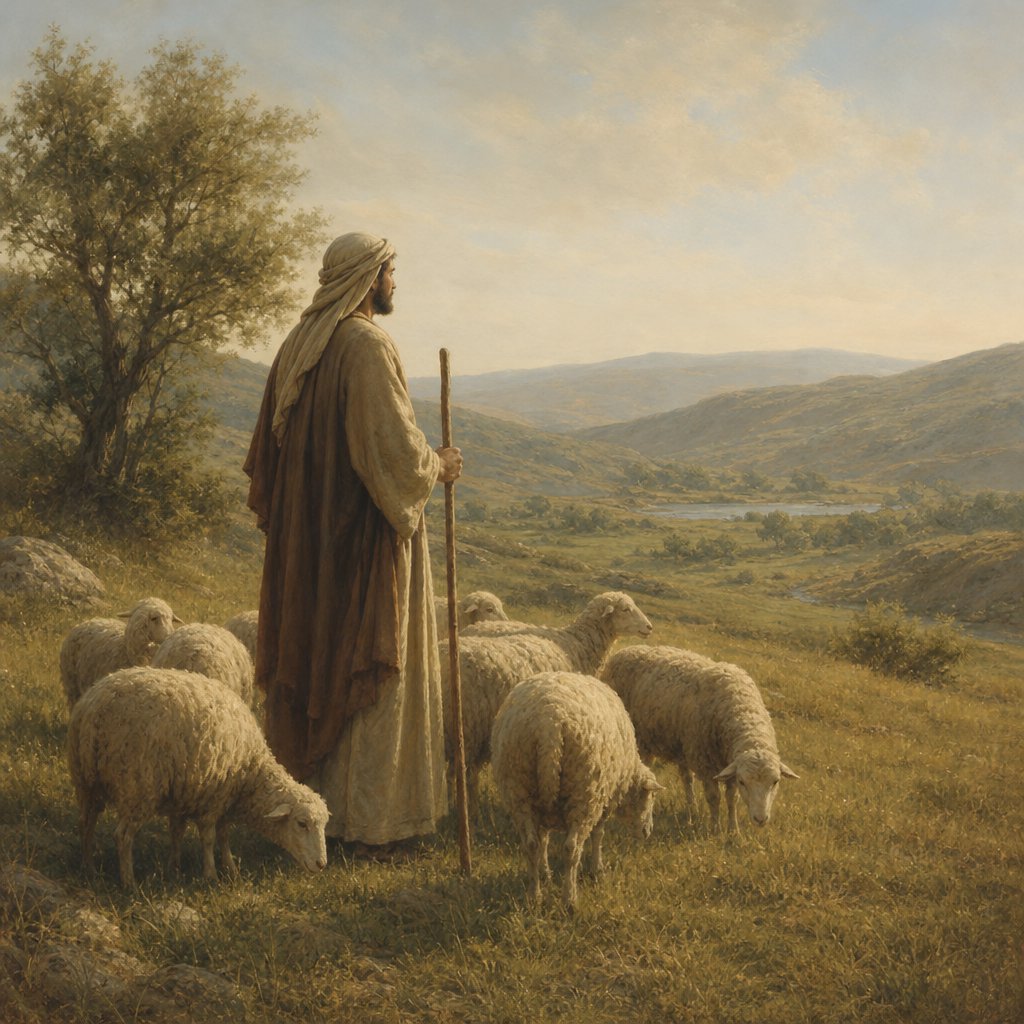
“The LORD is my shepherd; I shall not want.” (Psalm 23:1, KJV)
Psalm 23 opens with a confession of personal trust that sets the tone for everything that follows in the psalm. In the KJV the verse is brief, but it is densely packed with covenant meaning, pastoral imagery, and spiritual assurance. David speaks in the first person: “The LORD” is not merely a distant deity or a general providence, but the covenant God who has made Himself known and who binds Himself to His people. The name “LORD” in the KJV signals the divine name used throughout the Old Testament for the God who keeps promise, delivers, and rules. By saying “my,” David makes this covenant reality intimate and personal; the verse is not only a statement about what God is in general, but about what God is to the speaker in lived experience.
The central metaphor, “shepherd,” carries the weight of the ancient world’s everyday life. A shepherd did far more than lead animals; he belonged to them, watched them, guided them, protected them from danger, searched for them when they strayed, and ensured that they were fed and watered. To call the LORD “my shepherd” is to declare that God assumes active responsibility for the speaker’s life. The image implies direction when the path is unclear, provision when resources seem scarce, and defense when threats are real. It is also an image of care that is both strong and tender: the shepherd’s authority is not harsh domination but vigilant, sustaining oversight. In Israel’s imagination, the shepherd picture also touches kingship, because a good king was expected to “shepherd” the people. David, himself a former shepherd and later a king, is in effect placing his own life under a greater Kingship, acknowledging that his safety and wellbeing are not finally secured by his own skill, status, or strength, but by the LORD’s governance.
The second half of the verse, “I shall not want,” is often misunderstood if heard as a promise of limitless luxury. In the KJV, “want” means lack, not mere desire. David is not claiming that he will never feel longing, never encounter hardship, or never walk through dark seasons; the psalm itself soon speaks of walking “through the valley of the shadow of death.” Rather, he is declaring a settled confidence that, because the LORD is shepherd, he will not be left deficient in what is truly necessary under God’s wise care. The statement is not a denial of trials but a denial of abandonment. It is faith that the shepherd’s provision will meet the real need, at the right time, in the right way, so that nothing essential to God’s purpose and sustaining grace will ultimately be missing.
In context, Psalm 23 is traditionally associated with David and reads like a testimony that moves from the open fields to the darkest valley and then to a house of fellowship and permanence. Verse 1 functions as the thesis: if the LORD is shepherd, then the rest follows—rest, guidance, protection, comfort, and a final dwelling with God. The shepherd symbolism anticipates the scenes that come immediately after: green pastures, still waters, and restored soul. The verse therefore is not an isolated slogan but the opening claim that interprets the entire journey described in the psalm. It tells the reader how to read what follows: every blessing mentioned later is rooted in the shepherding character of the LORD.
There is also symbolism in the personal pronoun and the simplicity of the statement. “My shepherd” is the language of relationship, not mere religion. A sheep survives by staying near the shepherd; the image implies trust, dependence, and a willingness to be led. David’s comfort is not self-confidence but God-confidence. The quiet force of “I shall not want” is the peace that comes when the heart’s security is transferred from uncertain circumstances to a faithful guardian. It is contentment grounded not in having everything one could imagine, but in being held by One who knows what is needed better than the sheep does.
The significance of Psalm 23:1, in KJV wording, is that it offers a complete worldview in a single line: God is present, personal, and providential; life is not shepherdless; and because the LORD shepherds, the believer can face both abundance and adversity without the fear of ultimate lack. The verse invites the reader into the same posture David models—an inward rest that begins not with what the speaker possesses, but with who possesses the speaker.
Get our apps


Artwork for Psalms 23:1

Psalms 23:1 - "The LORD is my shepherd; I shall not want."
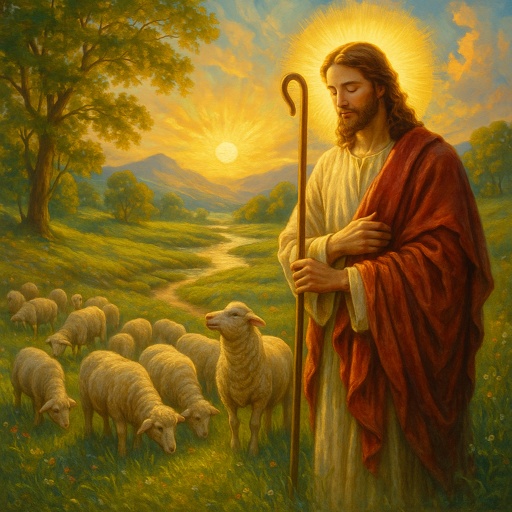
"The LORD is my shepherd; I shall not want." - Psalms 23:1

"The LORD is my shepherd; I shall not want." - Psalms 23:1
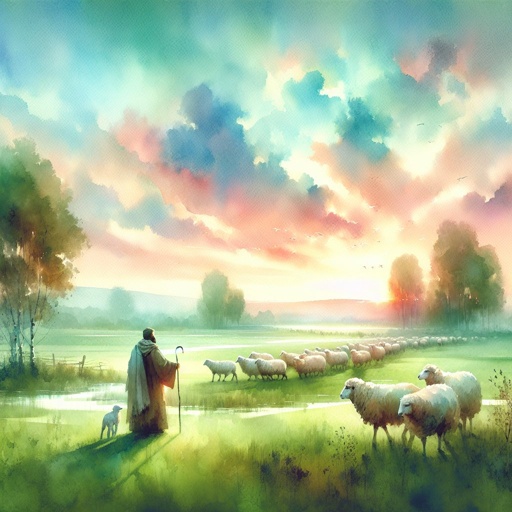
Psalms 23:1 The Lord is my shepherd, I lack nothing.

Psalms 23

"This is the LORD'S doing; it is marvellous in our eyes." - Psalms 118:23
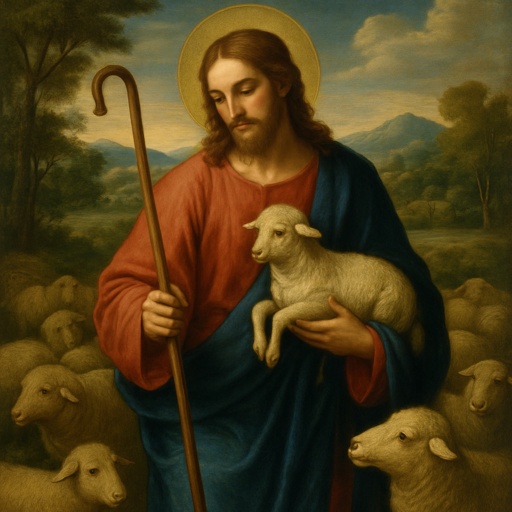
Psalm 23:1
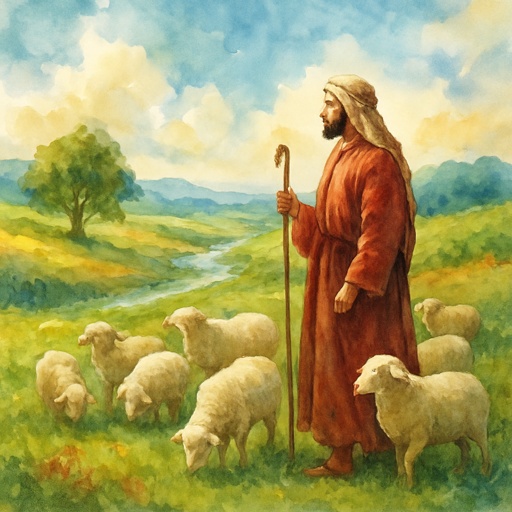
Psalm 23:1

Psalms 139:23 - "Search me, O God, and know my heart: try me, and know my thoughts:"
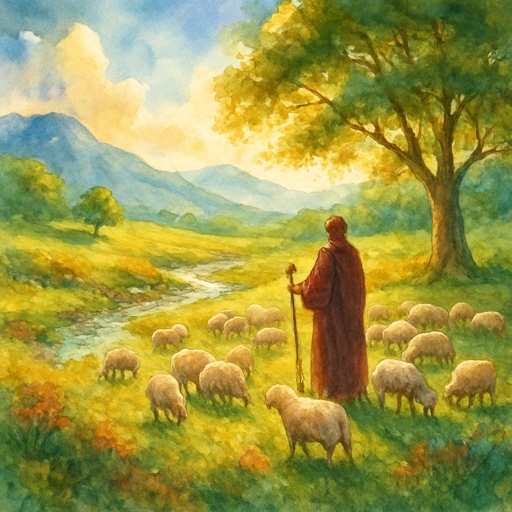
Psalm 23

Psalm 23

Psalms 23:4
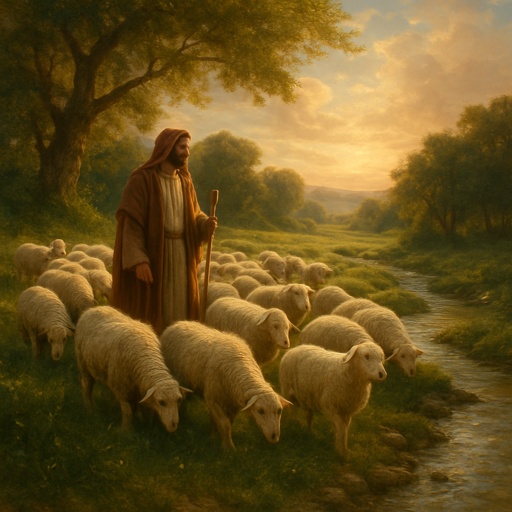
Psalm 23:1

"Let their eyes be darkened, that they see not; and make their loins continually to shake." - Psalms 69:23

"They that go down to the sea in ships, that do business in great waters;" - Psalms 107:23

"The steps of a good man are ordered by the LORD: and he delighteth in his way." - Psalms 37:23

Psalms 118:23 - "This is the LORD'S doing; it is marvellous in our eyes."
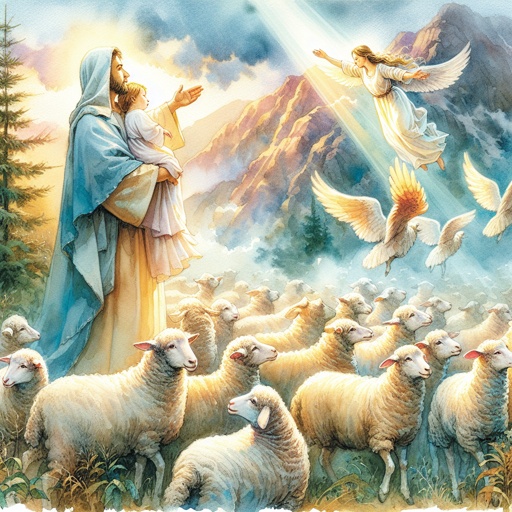
psalm 80:1-7

Psalms 128:1 - "Blessed is every one that feareth the LORD; that walketh in his ways."

"He restoreth my soul: he leadeth me in the paths of righteousness for his name's sake." - Psalms 23:3

Psalms 107:23 - "They that go down to the sea in ships, that do business in great waters;"

Psalms 122:1 - "I was glad when they said unto me, Let us go into the house of the LORD."

Psalms 15:1 (KJVA) 1 A Psalm of David. LORD, who shall abide in thy tabernacle? who shall dwell in thy holy hill?
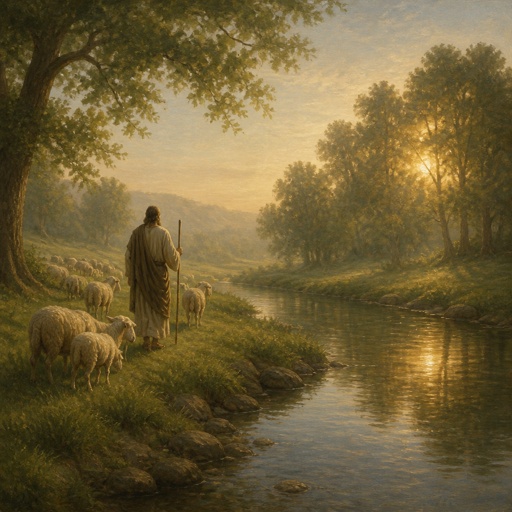
"He maketh me to lie down in green pastures: he leadeth me beside the still waters." - Psalms 23:2

Psalms 69:23 - "Let their eyes be darkened, that they see not; and make their loins continually to shake."

Psalms 105:23 - "Israel also came into Egypt; and Jacob sojourned in the land of Ham."

Psalms 15:1 (KJVA) 1 A Psalm of David. LORD, who shall abide in thy tabernacle? who shall dwell in thy holy hill?

Psalms 37:23 - "The steps of a good man are ordered by the LORD: and he delighteth in his way."

Psalms 102:23 - "He weakened my strength in the way; he shortened my days."

Psalms 64:1 - "Hear my voice, O God, in my prayer: preserve my life from fear of the enemy."