What does Psalms 26:9 mean?
“Gather not my soul with sinners, nor my life with bloody men:” — Psalms 26:9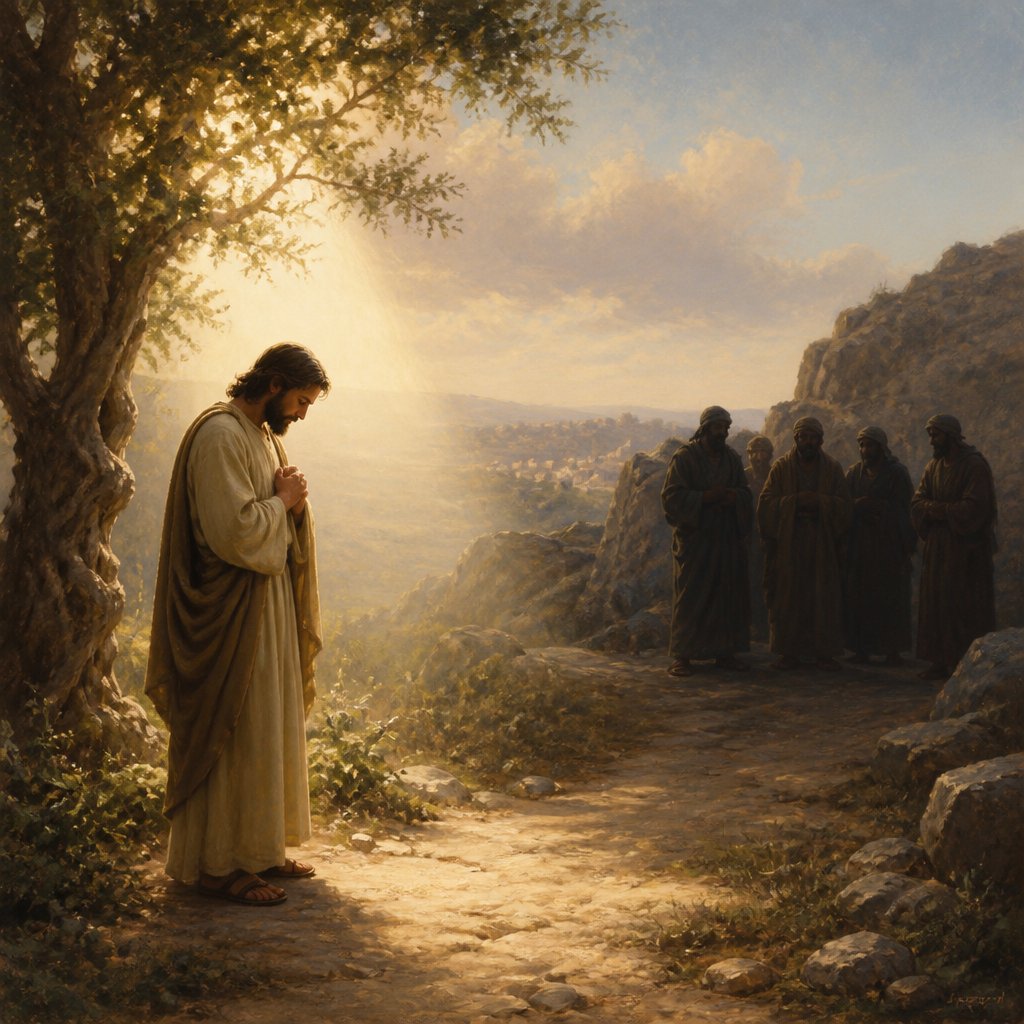
Psalm 26:9 in the King James Version of the Bible reads, "Gather not my soul with sinners, nor my life with bloody men." This verse is part of a larger psalm in which the author, often attributed to David, is declaring his innocence and seeking vindication from the Lord. The verse reflects the psalmist's desire to be separated from those who are unrighteous and wicked.
The theme of separation from sinners and the unrighteous is a common motif in the Psalms and throughout the Old Testament. It reflects the biblical understanding of holiness and the call for God's people to live righteous lives. In this verse, the psalmist is expressing a desire to distance himself from those who are morally corrupt and ungodly. This reflects the broader biblical theme of the separation of the righteous from the wicked, and the call for God's people to live in accordance with his laws and commandments.
The context of Psalm 26 is important for understanding the meaning of verse 9. In the preceding verses, the psalmist is declaring his innocence and asking the Lord to vindicate him. He proclaims his faithfulness and his commitment to living a righteous life, and he asks the Lord to judge him according to his integrity. The psalmist expresses his desire to be gathered with the righteous and to avoid being associated with the wicked.
The imagery of "Gather not my soul with sinners, nor my life with bloody men" is powerful and evocative. The psalmist is expressing a deep longing to be separated from those who are morally corrupt and violent. The language suggests a fear of being associated with the wicked and a desire to be counted among the righteous. This reflects the broader biblical theme of the separation of the righteous from the wicked, and the call for God's people to live in accordance with his laws and commandments.
The symbolism in this verse is also significant. The soul symbolizes the inner being of a person, while the life represents one's physical existence. The psalmist is asking for both his inner and outer self to be kept separate from sinners and bloody men. This reflects the biblical understanding of the importance of maintaining moral purity and avoiding the influence of those who are unrighteous. The psalmist's desire for separation from the wicked is a reflection of his commitment to living a holy and righteous life before the Lord.
In summary, Psalm 26:9 expresses the psalmist's desire to be separated from the unrighteous and the wicked. The verse reflects the broader biblical theme of the separation of the righteous from the wicked, and the call for God's people to live in accordance with his laws and commandments. The context of the psalm is important for understanding the meaning of this verse and the imagery and symbolism used in the verse convey the psalmist's deep longing to be kept separate from those who are morally corrupt and violent. This verse serves as a reminder for believers to strive for holiness and to seek separation from the unrighteous.
Get our apps


Artwork for Psalms 26:9

Psalms 26:9 - "Gather not my soul with sinners, nor my life with bloody men:"
"Gather not my soul with sinners, nor my life with bloody men:" - Psalms 26:9

Psalms 107:9

Psalms 136:26 - "O give thanks unto the God of heaven: for his mercy endureth for ever."

Psalms 107:26 - "They mount up to the heaven, they go down again to the depths: their soul is melted because of trouble."

"The LORD also will be a refuge for the oppressed, a refuge in times of trouble." - Psalms 9:9

Psalms 59:9 - "Because of his strength will I wait upon thee: for God is my defence."

"There go the ships: there is that leviathan, whom thou hast made to play therein." - Psalms 104:26

"Mountains, and all hills; fruitful trees, and all cedars:" - Psalms 148:9

"For thy lovingkindness is before mine eyes: and I have walked in thy truth." - Psalms 26:3
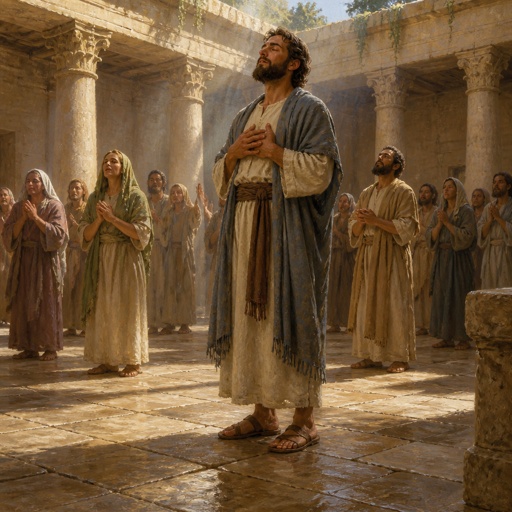
"My foot standeth in an even place: in the congregations will I bless the LORD." - Psalms 26:12
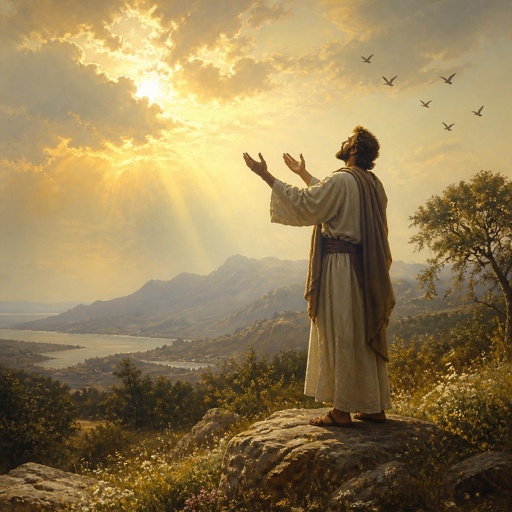
"That I may publish with the voice of thanksgiving, and tell of all thy wondrous works." - Psalms 26:7

Psalms 37:26 - "He is ever merciful, and lendeth; and his seed is blessed."

Psalms 26:10 - "In whose hands is mischief, and their right hand is full of bribes."

Psalms 9:5 - "Thou hast rebuked the heathen, thou hast destroyed the wicked, thou hast put out their name for ever and ever."

Psalms 107:9

Psalms 9:14 - "That I may shew forth all thy praise in the gates of the daughter of Zion: I will rejoice in thy salvation."

Psalms 9:9 - "The LORD also will be a refuge for the oppressed, a refuge in times of trouble."

Psalms 44:26 - "Arise for our help, and redeem us for thy mercies' sake."

Psalms 26:5 - "I have hated the congregation of evil doers; and will not sit with the wicked."

Psalms 107:9

"They mount up to the heaven, they go down again to the depths: their soul is melted because of trouble." - Psalms 107:26

Psalms 68:26 - "Bless ye God in the congregations, even the Lord, from the fountain of Israel."

Psalms 26:12 - "My foot standeth in an even place: in the congregations will I bless the LORD."

Psalms 26:4 - "I have not sat with vain persons, neither will I go in with dissemblers."

Psalms 104:26 - "There go the ships: there is that leviathan, whom thou hast made to play therein."
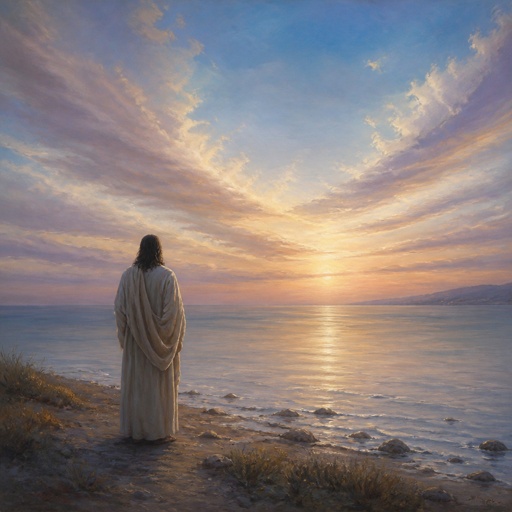
"If I take the wings of the morning, and dwell in the uttermost parts of the sea;" - Psalms 139:9
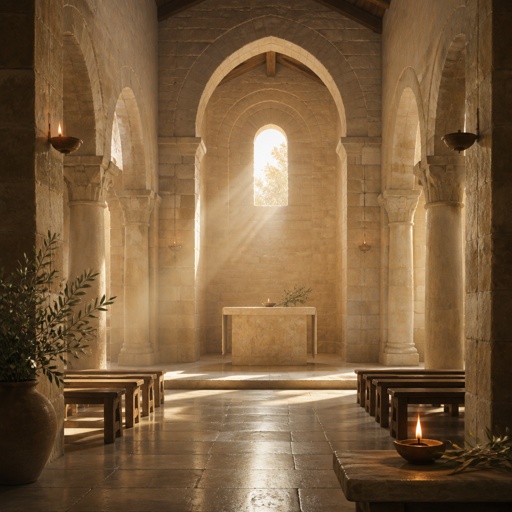
"LORD, I have loved the habitation of thy house, and the place where thine honour dwelleth." - Psalms 26:8

"With the pure thou wilt shew thyself pure; and with the froward thou wilt shew thyself froward." - Psalms 18:26

Psalms 26:3 - "For thy lovingkindness is before mine eyes: and I have walked in thy truth."