What does Psalms 30:10 mean?
“Hear, O LORD, and have mercy upon me: LORD, be thou my helper.” — Psalms 30:10
Psalms 30:10 in the King James Version of the Bible reads, "Hear, O Lord, and have mercy upon me: Lord, be thou my helper." This verse is a plea for God to show compassion and provide assistance. It reflects the deep trust and reliance that the psalmist has in God, seeking His help in a time of need.
To understand the full meaning and commentary of this verse, it's important to examine the context in which it appears. Psalm 30 is attributed to King David and is generally understood to be a song of thanksgiving for deliverance from a life-threatening situation. The psalmist expresses gratitude for God's help and mercy, acknowledging that it is through God's intervention and grace that he has been saved.
In verse 10, the psalmist continues to seek God's intervention, acknowledging his own need for mercy and help. The plea for mercy reflects the recognition of one's own shortcomings and the need for God's forgiveness and compassion. The psalmist appeals to God's character as a loving and merciful God, asking Him to extend His grace and help in the midst of difficulty.
The theme of trust and reliance on God is prevalent throughout this verse. The psalmist demonstrates unwavering faith in God's ability to provide assistance and deliverance. He looks to God as the ultimate source of help and support, acknowledging that human efforts alone are insufficient. This theme of trust is central to the Christian faith, as believers are called to place their confidence in God's provision and care.
The symbolism in this verse lies in the relationship between the psalmist and God. The psalmist's cry for mercy and help reflects the intimate connection between the individual and their Creator. It symbolizes the dependency and humility of the psalmist, recognizing his own limitations and looking to God as the ultimate source of strength and assistance. This symbolism is a powerful reminder of the believer's reliance on God's grace and the need for humility in seeking His help.
The broader theological implications of this verse center around the concept of God's mercy and provision. The psalmist's plea for mercy reflects the fundamental belief in God's compassion and willingness to extend grace to those who seek Him. This belief is foundational to the Christian faith, as it underscores the idea of salvation through faith and the necessity of God's mercy in the human experience.
In conclusion, Psalms 30:10 is a powerful expression of trust and reliance on God's mercy and help. The verse reflects the psalmist's deep faith in God's ability to provide assistance in times of need and his humility in seeking God's grace. The themes of trust, reliance, and God's compassion are central to the meaning of this verse, offering a timeless message of hope and encouragement for believers. The symbolism in this verse speaks to the intimate relationship between the individual and God, underscoring the believer's dependency on God's provision and care. Overall, Psalms 30:10 serves as a profound reminder of the believer's need for God's mercy and the unwavering faith in His ability to provide help and support.
Get our apps


Artwork for Psalms 30:10

Psalms 30:10 - "Hear, O LORD, and have mercy upon me: LORD, be thou my helper."
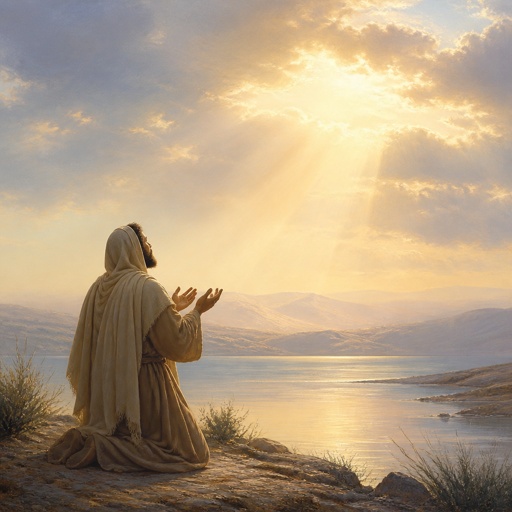
"Hear, O LORD, and have mercy upon me: LORD, be thou my helper." - Psalms 30:10

psalms 92:10

Psalms 30:6 - "And in my prosperity I said, I shall never be moved."

psalms 92:10

psalms 92:10

psalms 85:10

psalms 92:10

Psalms 10:10 - "He croucheth, and humbleth himself, that the poor may fall by his strong ones."
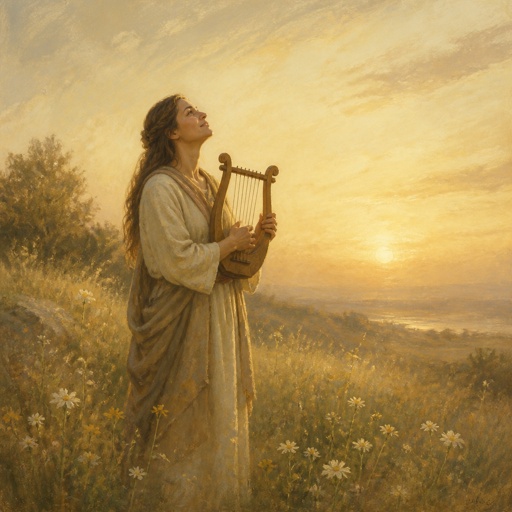
"I will praise the name of God with a song, and will magnify him with thanksgiving." - Psalms 69:30

"They were not estranged from their lust. But while their meat was yet in their mouths," - Psalms 78:30

"Then stood up Phinehas, and executed judgment: and so the plague was stayed." - Psalms 106:30

Psalms 29:10 (KJVA) 10 The LORD sitteth upon the flood; yea, the LORD sitteth King for ever.

Psalms 105:30 - "Their land brought forth frogs in abundance, in the chambers of their kings."

"I cried to thee, O LORD; and unto the LORD I made supplication." - Psalms 30:8

Psalms 37:30 - "The mouth of the righteous speaketh wisdom, and his tongue talketh of judgment."

Psalms 22:30 - "A seed shall serve him; it shall be accounted to the Lord for a generation."

Psalms 39:10 - "Remove thy stroke away from me: I am consumed by the blow of thine hand."

Psalms 106:30 - "Then stood up Phinehas, and executed judgment: and so the plague was stayed."

Psalms 69:30 - "I will praise the name of God with a song, and will magnify him with thanksgiving."

Psalms 89:30 - "If his children forsake my law, and walk not in my judgments;"

Psalms 78:30 - "They were not estranged from their lust. But while their meat was yet in their mouths,"

"Beasts, and all cattle; creeping things, and flying fowl:" - Psalms 148:10

Psalms 30:8 - "I cried to thee, O LORD; and unto the LORD I made supplication."

Psalms 107:30 - "Then are they glad because they be quiet; so he bringeth them unto their desired haven."

Psalms 104:30 - "Thou sendest forth thy spirit, they are created: and thou renewest the face of the earth."

Psalms 16:10 - "For thou wilt not leave my soul in hell; neither wilt thou suffer thine Holy One to see corruption."

psalms 92:10

psalms 92:10

"They kept not the covenant of God, and refused to walk in his law;" - Psalms 78:10