What does Psalms 30:2 mean?
“O LORD my God, I cried unto thee, and thou hast healed me.” — Psalms 30:2
Psalms 30:2 (KJV) reads, "O Lord my God, I cried unto thee, and thou hast healed me." This verse is filled with deep spiritual meaning and speaks to the profound connection between prayer and divine healing.
The book of Psalms is a collection of ancient Hebrew poetry and songs, attributed to King David and other authors. These writings are filled with expressions of praise, lament, thanksgiving, and petition to God. The overarching theme of the book is the acknowledgment of God as the ultimate sovereign and the source of hope, refuge, and deliverance. In this specific verse, the psalmist addresses God as "Lord my God," acknowledging a personal and intimate relationship with the divine.
The psalmist declares, "I cried unto thee," indicating that he turned to God in a moment of distress or need. This act of crying out to God is a powerful expression of faith and reliance on the divine for help. The psalmist's plea for healing reflects the universal human experience of suffering and the innate desire for wholeness and restoration. It is a reminder that in times of affliction, turning to God in prayer is a source of comfort and hope.
The affirmation "thou hast healed me" speaks to the psalmist's acknowledgment of God's power to bring about healing and restoration. In a literal sense, it may refer to physical healing from illness or injury. However, it also carries a deeper spiritual connotation, pointing to the healing of the soul and the restoration of the whole person. This healing can manifest in various ways, including emotional, psychological, and spiritual healing. It underscores the belief that God is the ultimate healer and source of wholeness.
The context of this verse within Psalm 30 sheds further light on its significance. The psalm as a whole is a song of thanksgiving for deliverance from a time of distress. It expresses gratitude for God's intervention and deliverance from a situation of despair. The psalmist rejoices in the reversal of fortune, moving from a place of mourning to a season of joy and celebration. This verse, then, is a central declaration of the psalmist's testimony of healing and restoration, attributing it to the faithfulness and grace of God.
The symbolism in this verse lies in the imagery of healing as a metaphor for the restoration of the soul. It reflects the broader biblical motif of God as the healer of the brokenhearted and the source of renewal and transformation. It also points to the redemptive power of prayer and the intimate connection between the supplicant and the divine.
Overall, Psalms 30:2 (KJV) encapsulates a profound message of faith, hope, and healing. It underscores the importance of turning to God in times of distress, trusting in His ability to bring about restoration and wholeness. It offers a timeless reminder of the power of prayer and the assurance of God's healing presence in our lives.
Get our apps


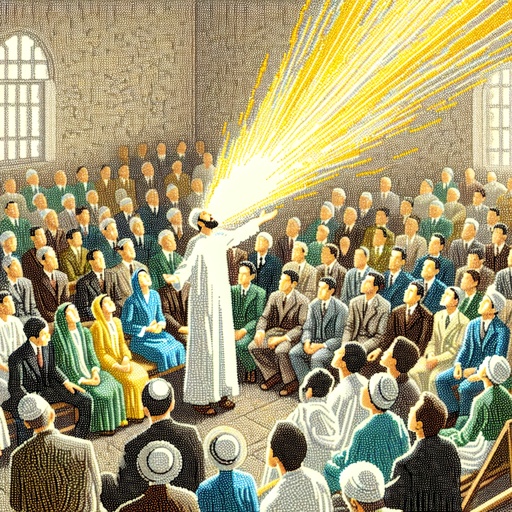
Artwork for Psalms 30:2

Psalms 30:2 - "O LORD my God, I cried unto thee, and thou hast healed me."

"O LORD my God, I cried unto thee, and thou hast healed me." - Psalms 30:2

Psalms 30:6 - "And in my prosperity I said, I shall never be moved."

Psalms 30:10 - "Hear, O LORD, and have mercy upon me: LORD, be thou my helper."

Psalms 81:2 - "Take a psalm, and bring hither the timbrel, the pleasant harp with the psaltery."
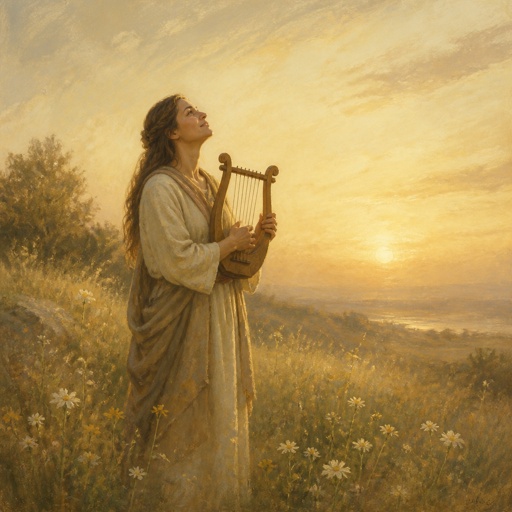
"I will praise the name of God with a song, and will magnify him with thanksgiving." - Psalms 69:30

"They were not estranged from their lust. But while their meat was yet in their mouths," - Psalms 78:30

"Then stood up Phinehas, and executed judgment: and so the plague was stayed." - Psalms 106:30

Psalms 105:30 - "Their land brought forth frogs in abundance, in the chambers of their kings."

"I cried to thee, O LORD; and unto the LORD I made supplication." - Psalms 30:8

Psalms 22:30 - "A seed shall serve him; it shall be accounted to the Lord for a generation."

Psalms 37:30 - "The mouth of the righteous speaketh wisdom, and his tongue talketh of judgment."

Psalms 106:30 - "Then stood up Phinehas, and executed judgment: and so the plague was stayed."

Psalms 69:30 - "I will praise the name of God with a song, and will magnify him with thanksgiving."

Psalms 89:30 - "If his children forsake my law, and walk not in my judgments;"

Psalms 78:30 - "They were not estranged from their lust. But while their meat was yet in their mouths,"
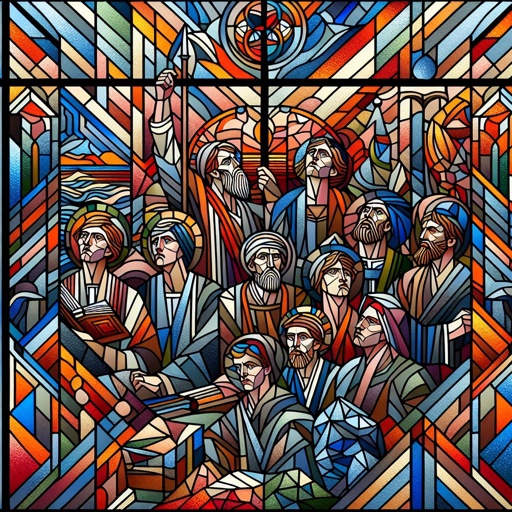
Psalms 115:2 - "Wherefore should the heathen say, Where is now their God?"
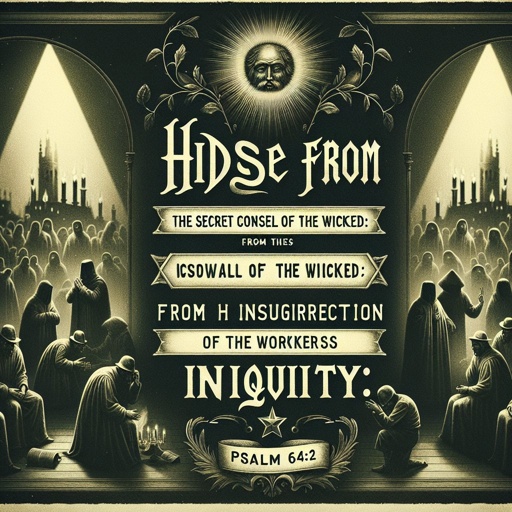
Psalms 64:2 - "Hide me from the secret counsel of the wicked; from the insurrection of the workers of iniquity:"

"Take a psalm, and bring hither the timbrel, the pleasant harp with the psaltery." - Psalms 81:2

Psalms 30:8 - "I cried to thee, O LORD; and unto the LORD I made supplication."

Psalms 107:30 - "Then are they glad because they be quiet; so he bringeth them unto their desired haven."

Psalms 104:30 - "Thou sendest forth thy spirit, they are created: and thou renewest the face of the earth."

Psalms 119:30 - "I have chosen the way of truth: thy judgments have I laid before me."

Psalms 109:30 - "I will greatly praise the LORD with my mouth; yea, I will praise him among the multitude."

Psalms 30:4 - "Sing unto the LORD, O ye saints of his, and give thanks at the remembrance of his holiness."

Psalms 54:2 - "Hear my prayer, O God; give ear to the words of my mouth."
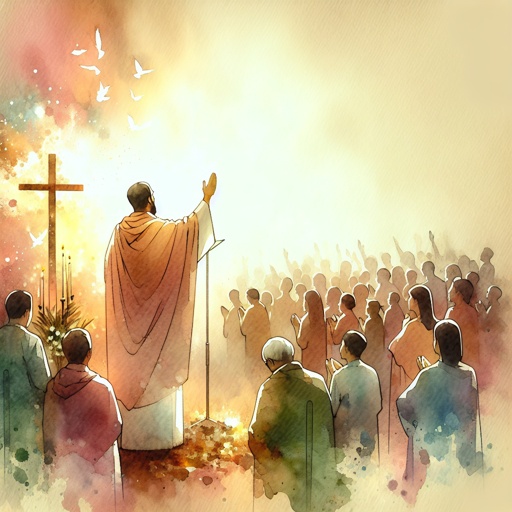
Psalms 109:30 (KJV) 30 I will greatly praise the LORD with my mouth; yea, I will praise him among the multitude.

Psalms 18:30 - "As for God, his way is perfect: the word of the LORD is tried: he is a buckler to all those that trust in him."

Psalms 149:2 - "Let Israel rejoice in him that made him: let the children of Zion be joyful in their King."
Psalms 109:30 (KJV) 30 I will greatly praise the LORD with my mouth; yea, I will praise him among the multitude.