What does Psalms 39:2 mean?
“I was dumb with silence, I held my peace, even from good; and my sorrow was stirred.” — Psalms 39:2
Psalm 39:2 in the King James Version of the Bible reads, "I was dumb with silence, I held my peace, even from good; and my sorrow was stirred." This verse reflects the personal emotions and struggles of the psalmist, King David. The psalm focuses on the brevity and frailty of human life, as well as the need for divine wisdom and guidance in navigating life's challenges.
The verse begins with the psalmist expressing his silence and restraint in the face of adversity. The word "dumb" in this context means to be silent or unable to speak. It suggests that the psalmist is grappling with a deep inner turmoil and wrestling with his own emotions. In his silence, he is choosing to hold back from speaking, even when goodness is present. This could indicate that he is refraining from expressing his true feelings, either out of a desire to maintain dignity or out of a sense of resignation.
The psalmist's decision to hold his peace, even in the presence of good, highlights the complexity of human suffering. Often, people choose to remain silent or withhold their emotions, even in the midst of positive experiences, because they are grappling with internal struggles. This verse captures the universal experience of inner conflict and the difficulty of expressing one's true feelings, even in the face of positive circumstances.
The psalmist then acknowledges that his sorrow has been stirred. This suggests that despite his efforts to hold his peace, his emotions have been aroused and cannot be contained. He is confronting his sorrow, which may have been dormant or suppressed, but has now resurfaced. This raw depiction of emotional struggle and vulnerability resonates with readers who have experienced inner turmoil and the difficulty of maintaining composure in the face of adversity.
In a broader context, Psalm 39 addresses the themes of mortality, the fleeting nature of life, and the need for divine guidance. The psalmist reflects on the brevity of life and the futile pursuit of material wealth, acknowledging that without God's wisdom and guidance, human life is ultimately insignificant. This verse, in particular, captures the human experience of navigating complex emotions and the struggle to find meaning and purpose in the face of suffering and adversity.
Symbolically, the silence and restraint expressed in this verse can be interpreted as a representation of the internal battles that individuals face. The psalmist's decision to hold back his emotions reflects the common human experience of grappling with inner turmoil and the difficulty of expressing one's true feelings. The stirring of sorrow symbolizes the inevitability of emotional struggle and the need to confront and process one's emotions in order to find healing and peace.
In conclusion, Psalm 39:2 in the King James Version of the Bible offers a profound and introspective reflection on the complexity of human emotions and the frailty of life. The verse captures the universal experience of inner turmoil, the struggle to maintain composure in the face of adversity, and the need for divine wisdom and guidance in navigating life's challenges. It serves as a poignant reminder of the importance of acknowledging and processing one's emotions, even in the face of silence and restraint, in order to find healing and inner peace.
Get our apps


Artwork for Psalms 39:2

Psalms 39:2 - "I was dumb with silence, I held my peace, even from good; and my sorrow was stirred."

"I was dumb with silence, I held my peace, even from good; and my sorrow was stirred." - Psalms 39:2

Psalms 39:10 - "Remove thy stroke away from me: I am consumed by the blow of thine hand."

"He spread a cloud for a covering; and fire to give light in the night." - Psalms 105:39

Psalms 81:2 - "Take a psalm, and bring hither the timbrel, the pleasant harp with the psaltery."

Psalms 37:39 - "But the salvation of the righteous is of the LORD: he is their strength in the time of trouble."

Psalms 39:7 - "And now, Lord, what wait I for? my hope is in thee."

Psalms 107:39 - "Again, they are minished and brought low through oppression, affliction, and sorrow."

Psalms 105:39 - "He spread a cloud for a covering; and fire to give light in the night."

Psalms 106:39 - "Thus were they defiled with their own works, and went a whoring with their own inventions."

Psalms 39:9 - "I was dumb, I opened not my mouth; because thou didst it."

Psalms 78:39 - "For he remembered that they were but flesh; a wind that passeth away, and cometh not again."

Psalms 39:8 - "Deliver me from all my transgressions: make me not the reproach of the foolish."

Psalms 119:39 - "Turn away my reproach which I fear: for thy judgments are good."

"Remove thy stroke away from me: I am consumed by the blow of thine hand." - Psalms 39:10

Psalms 39:13 - "O spare me, that I may recover strength, before I go hence, and be no more."

Psalms 89:39 - "Thou hast made void the covenant of thy servant: thou hast profaned his crown by casting it to the ground."

Psalms 39:3 - "My heart was hot within me, while I was musing the fire burned: then spake I with my tongue,"

"But the salvation of the righteous is of the LORD: he is their strength in the time of trouble." - Psalms 37:39
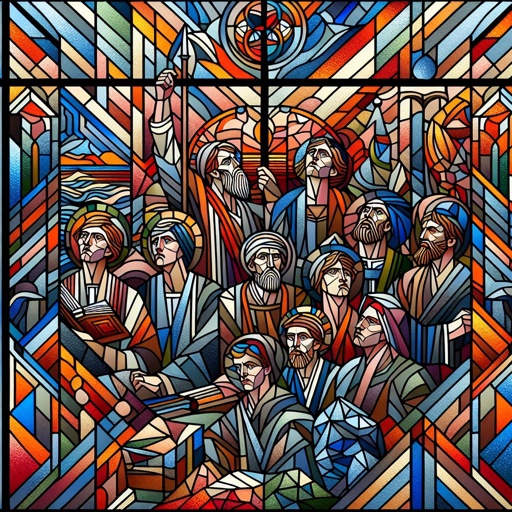
Psalms 115:2 - "Wherefore should the heathen say, Where is now their God?"
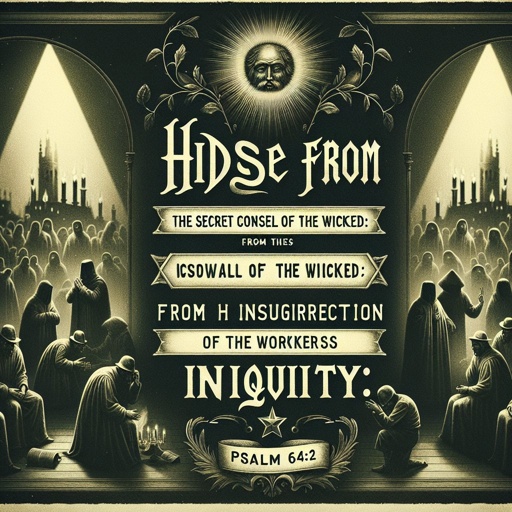
Psalms 64:2 - "Hide me from the secret counsel of the wicked; from the insurrection of the workers of iniquity:"

"Take a psalm, and bring hither the timbrel, the pleasant harp with the psaltery." - Psalms 81:2

Psalms 39:4 - "LORD, make me to know mine end, and the measure of my days, what it is; that I may know how frail I am."

Psalms 18:39 - "For thou hast girded me with strength unto the battle: thou hast subdued under me those that rose up against me."

"And now, Lord, what wait I for? my hope is in thee." - Psalms 39:7

Psalms 39:6 - "Surely every man walketh in a vain shew: surely they are disquieted in vain: he heapeth up riches, and knoweth not who shall gather them."
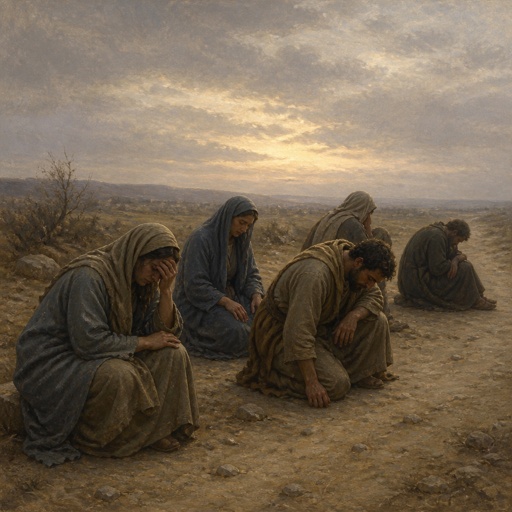
"Again, they are minished and brought low through oppression, affliction, and sorrow." - Psalms 107:39

Psalms 39:11 - "When thou with rebukes dost correct man for iniquity, thou makest his beauty to consume away like a moth: surely every man is vanity. Selah."

"I was dumb, I opened not my mouth; because thou didst it." - Psalms 39:9

"For he remembered that they were but flesh; a wind that passeth away, and cometh not again." - Psalms 78:39