What does Psalms 43:4 mean?
“Then will I go unto the altar of God, unto God my exceeding joy: yea, upon the harp will I praise thee, O God my God.” — Psalms 43:4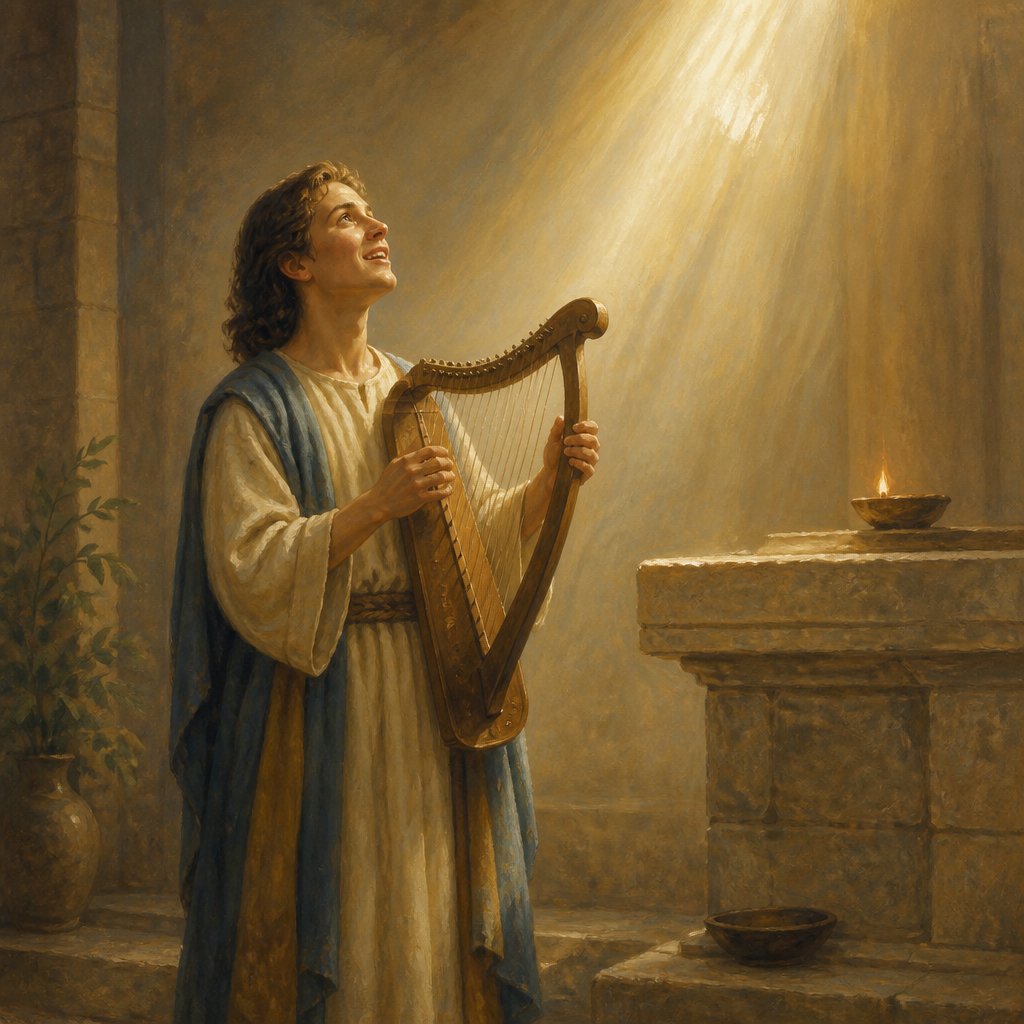
“Then will I go unto the altar of God, unto God my exceeding joy: yea, upon the harp will I praise thee, O God my God.”
The book of Psalms is a collection of 150 poetic songs that express a range of human emotions, including joy, sorrow, anger, and gratitude. The verses are often attributed to King David, who is said to have written many of them as a form of personal worship and prayer. Psalms 43:4 is a beautiful example of the psalmist’s desire to worship and praise God in the face of adversity.
This particular verse speaks to the psalmist’s deep longing to be in the presence of God, particularly at the altar, where sacrifices and offerings were made. The psalmist expresses the belief that being in God’s presence will bring exceeding joy, a joy that surpasses all worldly pleasures and comforts. This joy is not merely happiness or contentment, but an overwhelming sense of well-being and fulfillment that can only be found in God.
The psalmist’s intention to praise God upon the harp is significant as well. In biblical times, the harp was a common instrument used in worship and praise. It is often associated with heavenly music and the presence of angels. By using the harp as a symbol of praise, the psalmist is expressing a desire to offer the highest form of worship to God, using all of their abilities and talents to glorify Him.
The repetition of the phrase “O God my God” emphasizes the personal and intimate relationship the psalmist has with God. This is not just a God who exists in the abstract, but a God who is near and dear to the psalmist’s heart. The use of “my” further reinforces this closeness and the sense of ownership and allegiance the psalmist feels towards God.
In the context of the entire psalm, we see that the psalmist is in a state of distress and longing for God’s intervention. They are facing enemies and adversaries who are oppressing them, and they are crying out to God for deliverance. Despite the difficulties they are facing, the psalmist’s focus remains on God and their deep desire to be in His presence.
This theme of finding joy and comfort in God’s presence despite life’s challenges is a recurring motif throughout the book of Psalms. It speaks to the universal human experience of facing trials and tribulations, and the need for divine strength and solace in these times. The psalmist’s words resonate with anyone who has experienced hardship and found refuge in their faith.
Furthermore, the imagery of the altar and the harp can be seen as symbolic representations of the psalmist’s commitment to worship and praise God, even in the midst of adversity. The altar represents a place of sacrifice and surrender, where the psalmist offers themselves up to God in humility and reverence. The harp represents the psalmist’s ability to use their talents and gifts in the service of God, offering up music as a form of worship.
Overall, Psalms 43:4 is a beautiful expression of the psalmist’s deep desire for God’s presence and their commitment to worship and praise Him, even in the face of hardship. It speaks to the universal human longing for joy and fulfillment, and the belief that these can only be found in a deep and personal relationship with God. It is a reminder that in times of trouble, we can turn to God and find solace and strength in His presence.
Get our apps


Artwork for Psalms 43:4

Psalms 43:4 - "Then will I go unto the altar of God, unto God my exceeding joy: yea, upon the harp will I praise thee, O God my God."
"Then will I go unto the altar of God, unto God my exceeding joy: yea, upon the harp will I praise thee, O God my God." - Psalms 43:4

"And he brought forth his people with joy, and his chosen with gladness:" - Psalms 105:43

Psalms 107:43 - "Whoso is wise, and will observe these things, even they shall understand the lovingkindness of the LORD."

Psalms 105:43 - "And he brought forth his people with joy, and his chosen with gladness:"

"How he had wrought his signs in Egypt, and his wonders in the field of Zoan:" - Psalms 78:43

Psalms 78:43 - "How he had wrought his signs in Egypt, and his wonders in the field of Zoan:"

Psalms 119:43 - "And take not the word of truth utterly out of my mouth; for I have hoped in thy judgments."

Psalms 89:43 - "Thou hast also turned the edge of his sword, and hast not made him to stand in the battle."

Psalms 106:43 - "Many times did he deliver them; but they provoked him with their counsel, and were brought low for their iniquity."

Psalms 114:4 - "The mountains skipped like rams, and the little hills like lambs."

"For this was a statute for Israel, and a law of the God of Jacob." - Psalms 81:4

Psalms 43:1 - "Judge me, O God, and plead my cause against an ungodly nation: O deliver me from the deceitful and unjust man."

"For there are no bands in their death: but their strength is firm." - Psalms 73:4

Psalms 43:2 - "For thou art the God of my strength: why dost thou cast me off? why go I mourning because of the oppression of the enemy?"

Psalms 104:4 - "Who maketh his angels spirits; his ministers a flaming fire:"

Psalms 63:4 - "Thus will I bless thee while I live: I will lift up my hands in thy name."

Psalms 18:43 - "Thou hast delivered me from the strivings of the people; and thou hast made me the head of the heathen: a people whom I have not known shall serve me."

"Whoso is wise, and will observe these things, even they shall understand the lovingkindness of the LORD." - Psalms 107:43

"Offer the sacrifices of righteousness, and put your trust in the LORD." - Psalms 4:5

"They wandered in the wilderness in a solitary way; they found no city to dwell in." - Psalms 107:4

"For thou art the God of my strength: why dost thou cast me off? why go I mourning because of the oppression of the enemy?" - Psalms 43:2

Psalms 43:3 - "O send out thy light and thy truth: let them lead me; let them bring me unto thy holy hill, and to thy tabernacles."

"As arrows are in the hand of a mighty man; so are children of the youth." - Psalms 127:4

Psalms 23:4

"The mountains skipped like rams, and the little hills like lambs." - Psalms 114:4

"Thou hast delivered me from the strivings of the people; and thou hast made me the head of the heathen: a people whom I have not known shall serve me." - Psalms 18:43
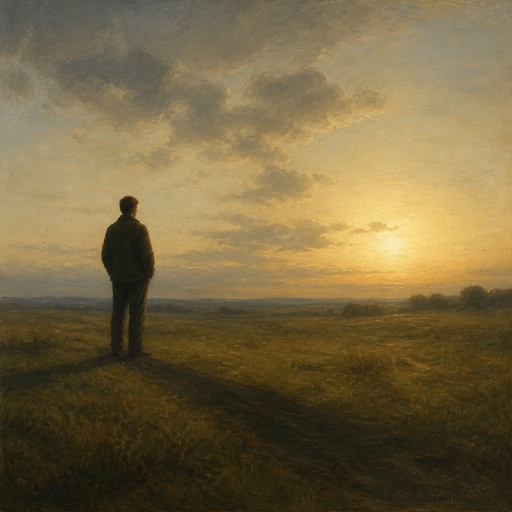
"Man is like to vanity: his days are as a shadow that passeth away." - Psalms 144:4
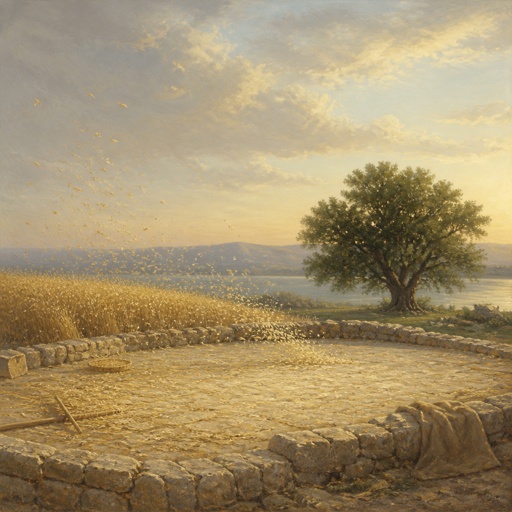
"The ungodly are not so: but are like the chaff which the wind driveth away." - Psalms 1:4
"His lightnings enlightened the world: the earth saw, and trembled." - Psalms 97:4