What does Psalms 49:9 mean?
“That he should still live for ever, and not see corruption.” — Psalms 49:9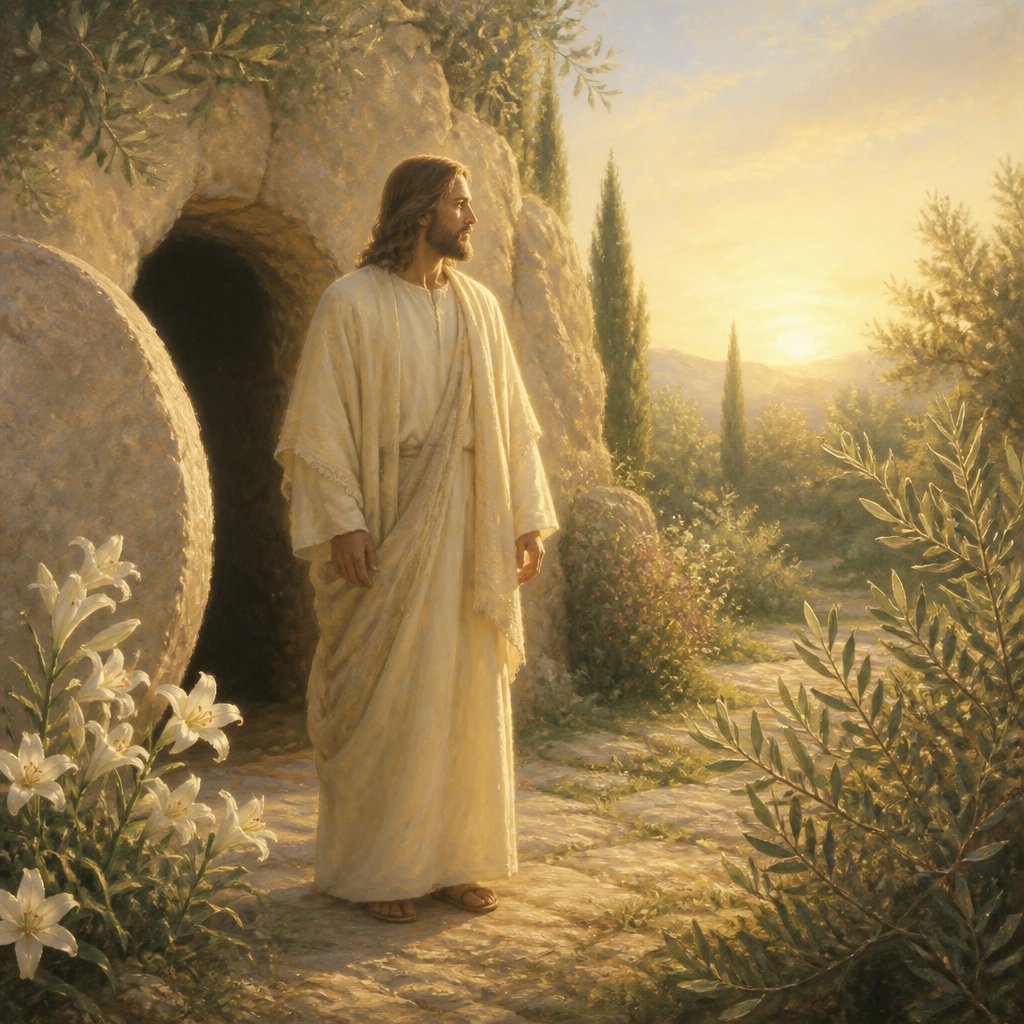
The Bible verse Psalms 49:9 in the King James Version (KJV) reads, "That he should still live for ever, and not see corruption." This verse is part of a Psalm that explores the fleeting nature of earthly wealth and the ultimate equality of all people in the eyes of God.
The context of Psalms 49 is one of reflection on the brevity of life and the uncertainty of worldly riches. The author, believed to be the psalmist, addresses both the wise and the foolish, the rich and the poor, reminding them that no one can ransom another person's life or give God a ransom for them. The Psalm emphasizes that people cannot rely on their wealth to secure their lives, as all will ultimately face the same fate. This theme is encapsulated in Psalm 49:9, which speaks of the futility of believing that one can live forever and not see corruption.
The verse serves as a sobering reminder that no amount of material wealth or worldly success can shield a person from the inevitability of mortality. The phrase "not see corruption" suggests a state of permanent preservation, but the Psalm makes it clear that such a state is unattainable for all humanity. The implications of this statement are profound, as it challenges the notion of immortality and highlights the limits of human power and control.
The theme of mortality and the transient nature of earthly possessions is a recurring motif throughout the Bible, and Psalm 49:9 reflects a foundational principle in biblical wisdom literature. This verse echoes similar sentiments found in Ecclesiastes, another book in the Old Testament that grapples with the fleeting nature of human existence and the vanity of worldly pursuits. In Ecclesiastes 2:21-23, the author laments that despite all of his toil and accumulation of wealth, he has no guarantee of who will inherit it after him, as his heirs could be wise or foolish. This reflection on the uncertainty of the future underscores the message of Psalm 49:9, emphasizing the limitations of human perspective and the transitory nature of wealth and power.
The symbolism in Psalm 49:9 is rich with significance. The idea of "not seeing corruption" can be interpreted both literally and metaphorically. In a literal sense, the verse alludes to the inevitability of physical decay and the eventual decomposition of the human body after death. This image serves as a stark reminder of the temporary nature of life and the universal fate that befalls all individuals, regardless of their worldly status.
Metaphorically, "not seeing corruption" can also be understood as a commentary on the decay and moral degradation that can accompany the pursuit of material wealth and earthly treasures. The Psalm suggests that the obsession with accumulating riches can lead to spiritual corruption and a distortion of one's values and priorities. The verse challenges the notion that earthly wealth can provide lasting fulfillment or eternal security, highlighting the limitations of wealth in addressing the deeper needs of the human soul.
Furthermore, the imagery of living forever without seeing corruption also carries eschatological implications. In Christian theology, the concept of eternal life is closely tied to the promise of salvation and the hope of resurrection. The verse alludes to the belief in a future state of incorruptibility, where believers will experience a transformation beyond the limitations of mortal existence. This theme of transcending corruption and attaining eternal life aligns with the broader biblical narrative of redemption and the ultimate defeat of death through faith in God.
In conclusion, Psalm 49:9 encapsulates timeless truths about the brevity of human life, the limitations of worldly wealth, and the universal fate of all individuals. The verse serves as a poignant reminder of the transient nature of earthly existence and the ultimate equality of all people in the face of mortality. Its themes of mortality, eternal life, and the limitations of wealth resonate across religious and cultural traditions, offering profound insights into the human condition and the pursuit of meaning and purpose.
Get our apps


Artwork for Psalms 49:9
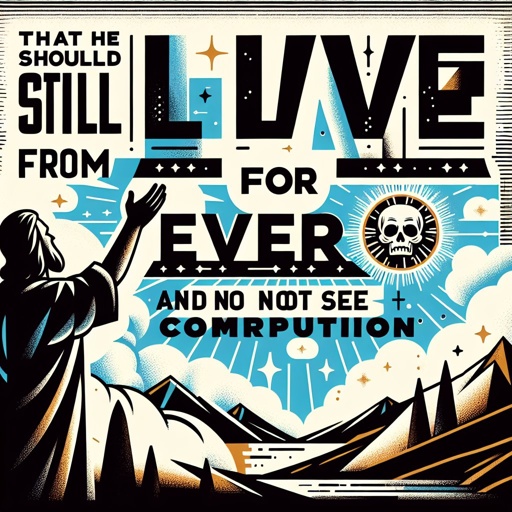
Psalms 49:9 - "That he should still live for ever, and not see corruption."
"That he should still live for ever, and not see corruption." - Psalms 49:9
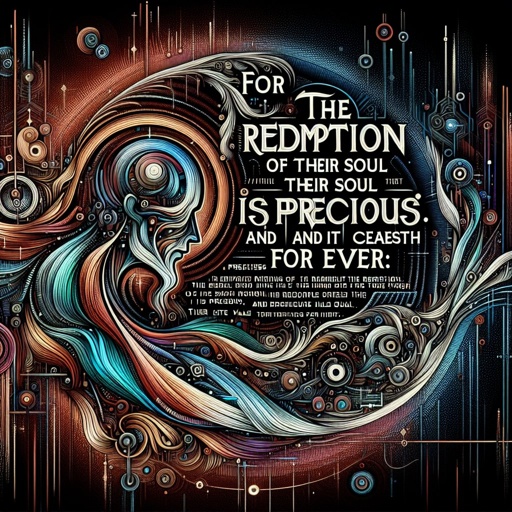
Psalms 49:8 - "(For the redemption of their soul is precious, and it ceaseth for ever:)"

"Both low and high, rich and poor, together." - Psalms 49:2

"Man that is in honour, and understandeth not, is like the beasts that perish." - Psalms 49:20

Psalms 49:6 - "They that trust in their wealth, and boast themselves in the multitude of their riches;"

Psalms 49:20 - "Man that is in honour, and understandeth not, is like the beasts that perish."

Psalms 49:2 - "Both low and high, rich and poor, together."

Psalms 49:13 - "This their way is their folly: yet their posterity approve their sayings. Selah."

"He shall go to the generation of his fathers; they shall never see light." - Psalms 49:19

Psalms 107:9
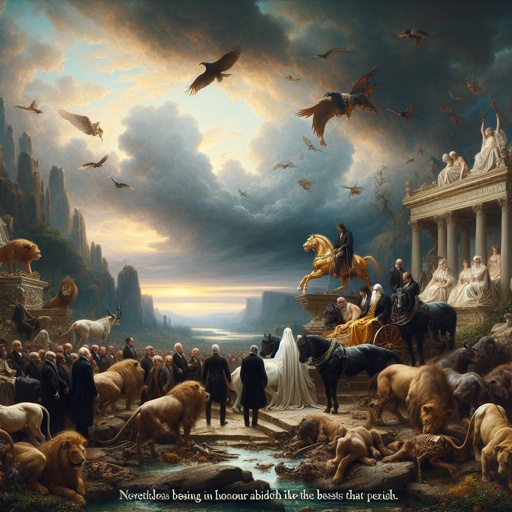
Psalms 49:12 - "Nevertheless man being in honour abideth not: he is like the beasts that perish."

Psalms 49:3 - "My mouth shall speak of wisdom; and the meditation of my heart shall be of understanding."

Psalms 49:1 - "Hear this, all ye people; give ear, all ye inhabitants of the world:"

Psalms 49:19 - "He shall go to the generation of his fathers; they shall never see light."

Psalms 49:16 - "Be not thou afraid when one is made rich, when the glory of his house is increased;"

"(For the redemption of their soul is precious, and it ceaseth for ever:)" - Psalms 49:8

Psalms 119:49 - "Remember the word unto thy servant, upon which thou hast caused me to hope."

Psalms 89:49 - "Lord, where are thy former lovingkindnesses, which thou swarest unto David in thy truth?"
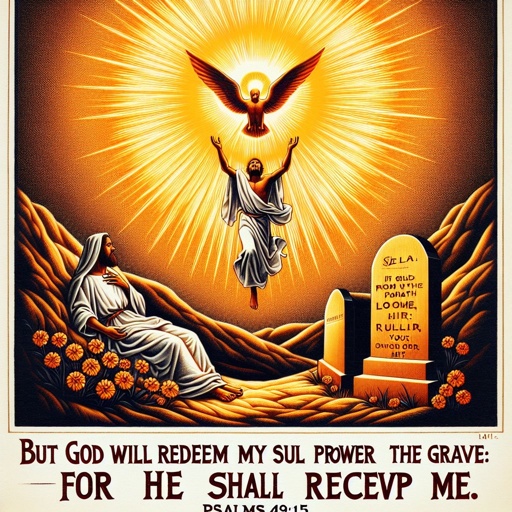
Psalms 49:15 - "But God will redeem my soul from the power of the grave: for he shall receive me. Selah."
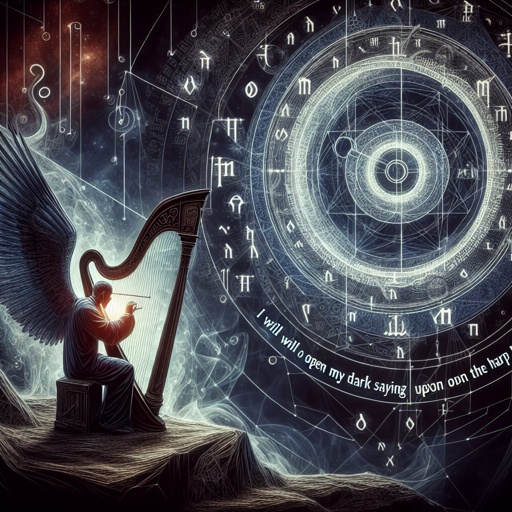
Psalms 49:4 - "I will incline mine ear to a parable: I will open my dark saying upon the harp."

"Lord, where are thy former lovingkindnesses, which thou swarest unto David in thy truth?" - Psalms 89:49

Psalms 49:10 - "For he seeth that wise men die, likewise the fool and the brutish person perish, and leave their wealth to others."

Psalms 49:7 - "None of them can by any means redeem his brother, nor give to God a ransom for him:"

"But God will redeem my soul from the power of the grave: for he shall receive me. Selah." - Psalms 49:15

"I will incline mine ear to a parable: I will open my dark saying upon the harp." - Psalms 49:4

"They that trust in their wealth, and boast themselves in the multitude of their riches;" - Psalms 49:6

Psalms 49:17 - "For when he dieth he shall carry nothing away: his glory shall not descend after him."

"For when he dieth he shall carry nothing away: his glory shall not descend after him." - Psalms 49:17

Psalms 49:5 - "Wherefore should I fear in the days of evil, when the iniquity of my heels shall compass me about?"