What does Psalms 50:14 mean?
“Offer unto God thanksgiving; and pay thy vows unto the most High:” — Psalms 50:14
Psalm 50 is a psalm of Asaph in which God himself is portrayed as the Judge who “shall call to the heavens from above, and to the earth, that he may judge his people” (Psalm 50:4, KJV). The scene is covenantal and courtroom-like: the Lord summons creation as witnesses and addresses those who outwardly belong to him. The psalm makes clear that the issue is not whether the people are religious, but whether their worship is true. God says he does not rebuke them because sacrifices are absent—“thy burnt offerings are continually before me” (Psalm 50:8)—but because they have misunderstood what sacrifices mean and what God actually desires. Within that setting comes Psalm 50:14: “Offer unto God thanksgiving; and pay thy vows unto the most High” (KJV). The verse is not a rejection of worship, but a correction of worship, turning the heart away from mere ritual and toward covenant faithfulness expressed in gratitude and obedience.
The first command, “Offer unto God thanksgiving,” shifts the focus from giving God something he needs to giving God what he is due. Earlier God declares, “I will take no bullock out of thy house, nor he goats out of thy folds” (Psalm 50:9), and he grounds that refusal in his absolute ownership: “For every beast of the forest is mine, and the cattle upon a thousand hills” (Psalm 50:10). The symbolism is striking: the sacrificial system could be treated as if God were hungry and required human provision, but the Lord exposes that as a category mistake. He says, “If I were hungry, I would not tell thee: for the world is mine, and the fulness thereof” (Psalm 50:12). Thanksgiving, then, is the fitting “offering” precisely because it confesses dependence rather than imagining God’s dependence. It recognizes God as Giver and Owner, and it places the worshipper in the posture of humility. In the language of sacrifice, thanksgiving becomes the true spiritual substance that ritual was always meant to express: reverence, acknowledgment of mercy, and delight in God rather than confidence in the mere act of offering.
Thanksgiving also functions in the psalm as a marker of genuine relationship. This is not gratitude as a polite feeling, but thanksgiving offered “unto God,” intentionally directed, covenantal praise. It answers the deeper question raised by the psalm: What does God want from “my saints…those that have made a covenant with me by sacrifice” (Psalm 50:5)? The answer includes more than external performance; it includes the inward recognition of who God is and what he has done. In that sense, thanksgiving is a kind of truth-telling. It publicly confesses that God’s past acts and present rule are worthy, and it silently rebukes the illusion that one can manage God through religious transactions.
The second command, “and pay thy vows unto the most High,” adds moral weight and covenant seriousness. Vows in Scripture are promises made to God, often in times of need, devotion, or worship. To “pay” them is to fulfill what has been spoken, to complete what has been pledged. In the psalm’s context, this is the opposite of hypocritical religion that uses sacred words while living in contradiction. The surrounding verses show that God is confronting people who are comfortable with religious language but unconcerned with integrity: “Seeing thou hatest instruction, and castest my words behind thee” (Psalm 50:17). The call to pay vows therefore symbolizes more than completing a religious obligation; it symbolizes wholeness, that one’s speech to God and one’s life before God should match. It is covenant fidelity in practice—doing what one said before the Lord, because the Lord is not a ceremonial object but “the most High,” the exalted King whose name cannot be used lightly.
This pairing of thanksgiving and vow-paying carries a deeper theme: God desires worship that is both affectionate and faithful. Thanksgiving emphasizes the heart’s posture; vow-paying emphasizes the will’s obedience. Together they correct two common distortions. One distortion is to reduce worship to ritual performance, as if sacrifices automatically secure God’s favor. Another distortion is to reduce worship to emotion or words, as if gratitude without follow-through is sufficient. Psalm 50:14 holds both together: offer God the honor of grateful praise and the honor of kept promises. This is why, a few verses later, God says, “And call upon me in the day of trouble: I will deliver thee, and thou shalt glorify me” (Psalm 50:15). The life God commends is relational and responsive: the worshipper depends on God in trouble, receives deliverance, and responds with glory—again the language of thanksgiving—and with the kind of obedience that vow-keeping represents.
The symbolism of “offer” is also important. Even though God has just clarified that he does not need animals or food, he still speaks in sacrificial terms because he is addressing people shaped by sacrificial worship. He redirects the meaning of “offering” toward what corresponds to God’s nature. Since God is not enriched by human gifts, the true offering is the one that acknowledges his sufficiency and magnifies his worth. Thanksgiving is “offered” when the worshipper consciously gives God credit, praise, and acknowledgment, refusing the pride that takes blessings as entitlement. Paying vows is “offered” when the worshipper gives God the obedience of a life aligned with declared commitments. Both are sacrifices of self—of pride, of forgetfulness, of empty speech—and that is precisely what exposes the difference between true worship and mere ceremony.
The significance of Psalm 50:14, then, is that it stands at the heart of God’s critique and invitation. It teaches that the Lord who owns all things does not want to be treated as if he can be bought, fed, or manipulated by outward offerings. He wants worship that is real: gratitude that recognizes his grace and sovereignty, and integrity that fulfills promises made in his presence. In the psalm’s larger movement, this verse also sets a dividing line between those who honor God and those who dishonor him. Later God warns the wicked who speak of his statutes while practicing sin, and he concludes with the principle, “Whoso offereth praise glorifieth me: and to him that ordereth his conversation aright will I shew the salvation of God” (Psalm 50:23). Psalm 50:14 is an earlier form of that same truth. God is glorified by thankful praise, and God is honored when a person’s words and life are brought into covenant order.
Get our apps


Artwork for Psalms 50:14

Psalms 50:14 - "Offer unto God thanksgiving; and pay thy vows unto the most High:"

"Offer unto God thanksgiving; and pay thy vows unto the most High:" - Psalms 50:14

"Offer unto God thanksgiving; and pay thy vows unto the most High:" - Psalms 50:14

"Offer unto God thanksgiving; and pay thy vows unto the most High:" - Psalms 50:14
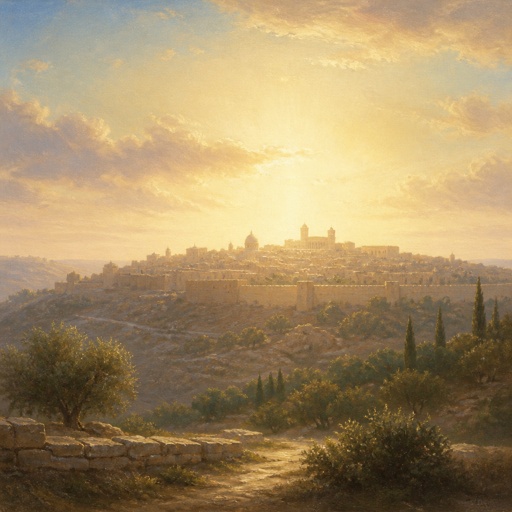
"Out of Zion, the perfection of beauty, God hath shined." - Psalms 50:2

"For every beast of the forest is mine, and the cattle upon a thousand hills." - Psalms 50:10

"And the heavens shall declare his righteousness: for God is judge himself. Selah." - Psalms 50:6

Psalms 50:13 - "Will I eat the flesh of bulls, or drink the blood of goats?"

Psalms 50:2 - "Out of Zion, the perfection of beauty, God hath shined."

"I know all the fowls of the mountains: and the wild beasts of the field are mine." - Psalms 50:11

Psalms 50:6 - "And the heavens shall declare his righteousness: for God is judge himself. Selah."

Psalms 50:11 - "I know all the fowls of the mountains: and the wild beasts of the field are mine."

Psalms 119:50 - "This is my comfort in my affliction: for thy word hath quickened me."

Psalms 50:10 - "For every beast of the forest is mine, and the cattle upon a thousand hills."

Psalms 50:19 - "Thou givest thy mouth to evil, and thy tongue frameth deceit."
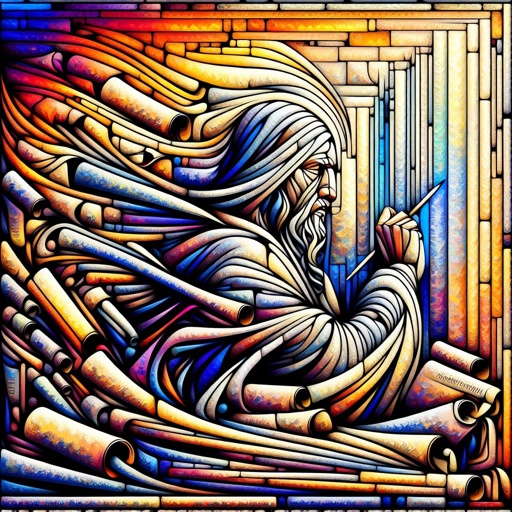
Psalms 50:17 - "Seeing thou hatest instruction, and castest my words behind thee."

Psalms 50:5 - "Gather my saints together unto me; those that have made a covenant with me by sacrifice."

Psalms 50:15 - "And call upon me in the day of trouble: I will deliver thee, and thou shalt glorify me."

Psalms 50:22 - "Now consider this, ye that forget God, lest I tear you in pieces, and there be none to deliver."
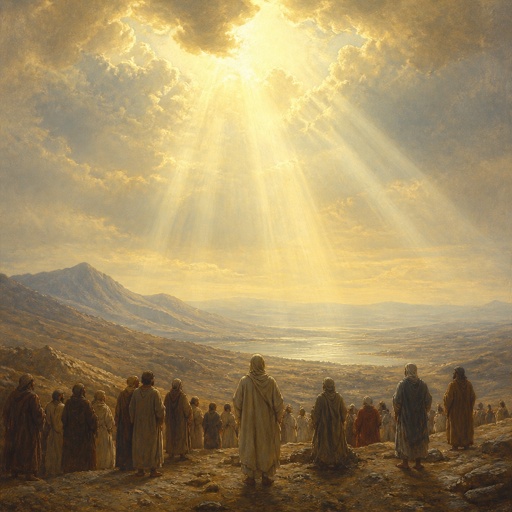
"He shall call to the heavens from above, and to the earth, that he may judge his people." - Psalms 50:4

Psalms 50:18 - "When thou sawest a thief, then thou consentedst with him, and hast been partaker with adulterers."

Psalms 50:12 - "If I were hungry, I would not tell thee: for the world is mine, and the fulness thereof."

Psalms 50:9 - "I will take no bullock out of thy house, nor he goats out of thy folds."

Psalms 50:4 - "He shall call to the heavens from above, and to the earth, that he may judge his people."

Psalms 50:20 - "Thou sittest and speakest against thy brother; thou slanderest thine own mother's son."

Psalms 50:23 - "Whoso offereth praise glorifieth me: and to him that ordereth his conversation aright will I shew the salvation of God."

Psalms 18:50 - "Great deliverance giveth he to his king; and sheweth mercy to his anointed, to David, and to his seed for evermore."

Psalms 78:50 - "He made a way to his anger; he spared not their soul from death, but gave their life over to the pestilence;"

Psalms 50:8 - "I will not reprove thee for thy sacrifices or thy burnt offerings, to have been continually before me."

Psalms 50:1 - "The mighty God, even the LORD, hath spoken, and called the earth from the rising of the sun unto the going down thereof."