What does Psalms 50:6 mean?
“And the heavens shall declare his righteousness: for God is judge himself. Selah.” — Psalms 50:6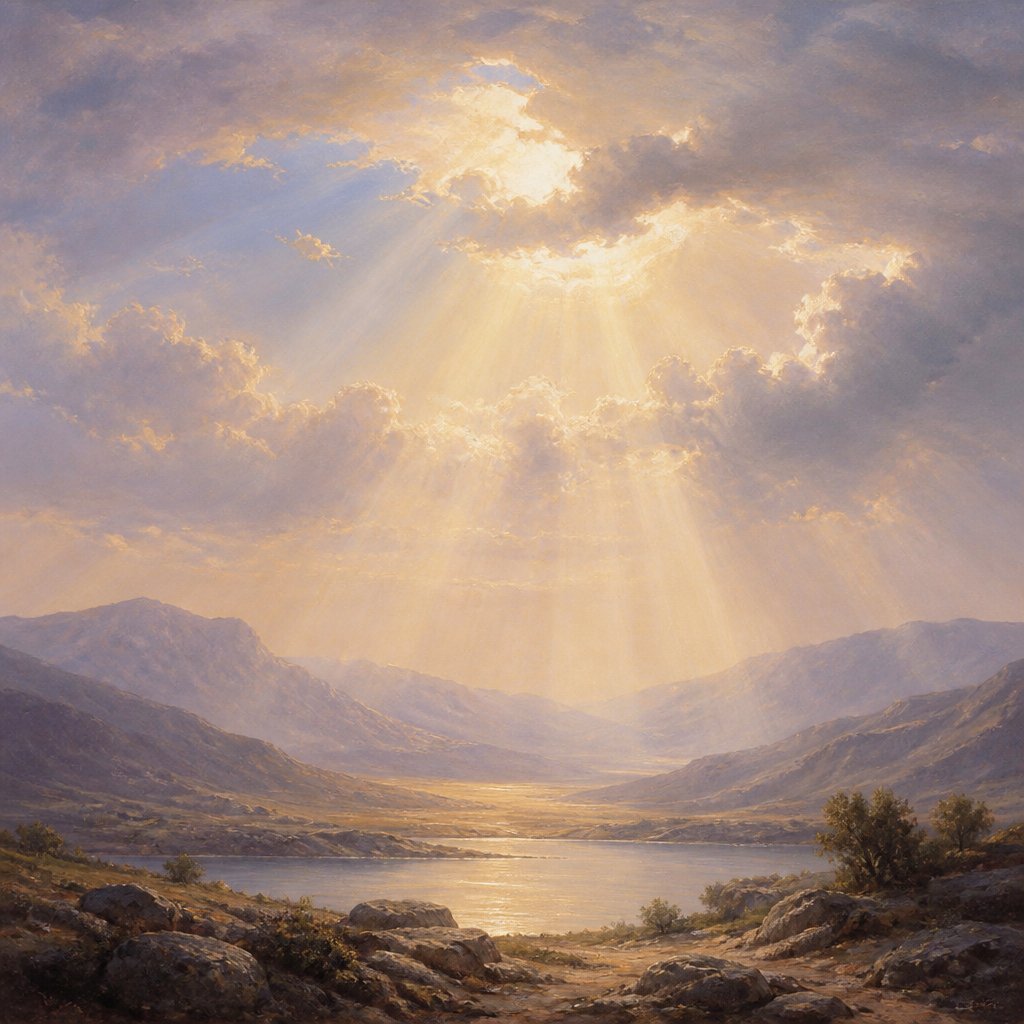
The verse Psalms 50:6 in the King James Version of the Bible states, "And the heavens shall declare his righteousness: for God is judge himself. Selah." This verse is packed with meaning and symbolism, and it is important to delve into the context and themes of the book of Psalms to fully understand its significance.
First and foremost, the book of Psalms is a collection of sacred songs and poems that were used in worship in ancient Israel. It is attributed to King David, although some of the psalms are believed to have been written by other authors as well. The book is divided into five sections, each ending with a doxology. The psalms cover a wide range of themes, including praise, thanksgiving, lament, and wisdom. Psalms 50 in particular is a psalm that focuses on God as the righteous judge.
The verse in question, Psalms 50:6, emphasizes the idea that the heavens themselves declare the righteousness of God. The image of the heavens declaring God's righteousness is a powerful one, as it suggests that all of creation is a testament to the goodness and justice of God. This theme of creation glorifying God appears in other parts of the Bible as well, such as in the Psalms and the book of Isaiah.
The verse also states that "God is judge himself." This idea of God as the ultimate judge is central to the theme of righteousness and justice in the book of Psalms. Throughout the psalms, there is an emphasis on God's role as a just and fair judge who will ultimately bring about justice for the righteous and punishment for the wicked. This idea of divine judgment is a recurring theme in the Bible, and it speaks to the belief that God is the ultimate arbiter of moral behavior.
The use of the word "Selah" at the end of the verse is also worth noting. The meaning of this word is uncertain, but it is believed to be a musical or liturgical notation, indicating a pause or a musical interlude. Some scholars also suggest that it may have been used as a cue for the congregation to lift their voices in praise. In the context of Psalms 50:6, the use of "Selah" serves to emphasize the importance of the preceding statement about God's righteousness and status as judge.
Symbolically, the heavens in Psalms 50:6 can be seen as representing the vastness and glory of God's creation. The idea that the heavens themselves declare God's righteousness suggests that all of creation bears witness to the moral order and justice established by God. This image of the heavens as a silent witness to God's righteousness can be a source of comfort and reassurance for believers, reminding them that God's justice is ultimately sovereign and unshakeable.
In conclusion, Psalms 50:6 is a verse that carries deep meaning and significance within the context of the book of Psalms. It speaks to the themes of righteousness, justice, and divine judgment, emphasizing the belief that God's righteousness is evident in all of creation. The verse serves as a reminder of God's sovereignty and serves as a source of hope and reassurance for believers. It is a powerful declaration of the righteousness of God and his role as the ultimate judge, and its inclusion in the book of Psalms speaks to its enduring importance within the biblical tradition.
Get our apps


Artwork for Psalms 50:6

Psalms 50:6 - "And the heavens shall declare his righteousness: for God is judge himself. Selah."
"And the heavens shall declare his righteousness: for God is judge himself. Selah." - Psalms 50:6
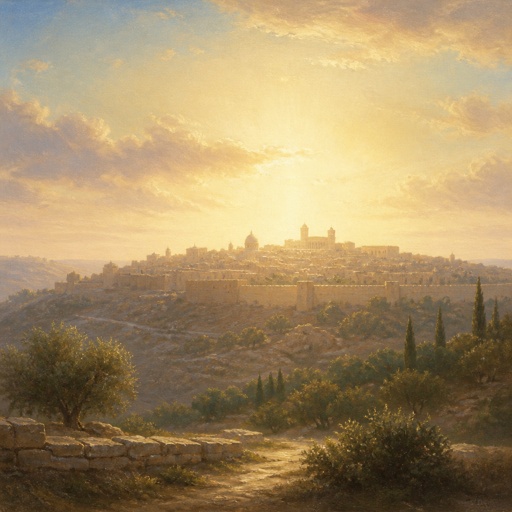
"Out of Zion, the perfection of beauty, God hath shined." - Psalms 50:2

"For every beast of the forest is mine, and the cattle upon a thousand hills." - Psalms 50:10

Psalms 50:13 - "Will I eat the flesh of bulls, or drink the blood of goats?"

Psalms 50:2 - "Out of Zion, the perfection of beauty, God hath shined."

"I know all the fowls of the mountains: and the wild beasts of the field are mine." - Psalms 50:11

"Offer unto God thanksgiving; and pay thy vows unto the most High:" - Psalms 50:14

Psalms 50:11 - "I know all the fowls of the mountains: and the wild beasts of the field are mine."

Psalms 119:50 - "This is my comfort in my affliction: for thy word hath quickened me."

Psalms 50:10 - "For every beast of the forest is mine, and the cattle upon a thousand hills."

Psalms 50:14 - "Offer unto God thanksgiving; and pay thy vows unto the most High:"

Psalms 50:19 - "Thou givest thy mouth to evil, and thy tongue frameth deceit."
Psalms 50:17 - "Seeing thou hatest instruction, and castest my words behind thee."

Psalms 126:6

Psalms 50:5 - "Gather my saints together unto me; those that have made a covenant with me by sacrifice."

Psalms 50:15 - "And call upon me in the day of trouble: I will deliver thee, and thou shalt glorify me."
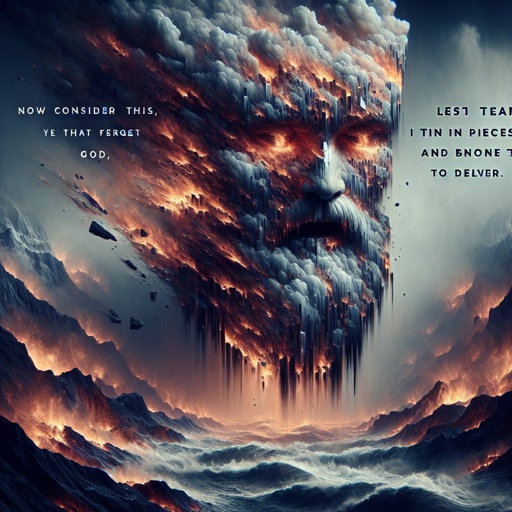
Psalms 50:22 - "Now consider this, ye that forget God, lest I tear you in pieces, and there be none to deliver."
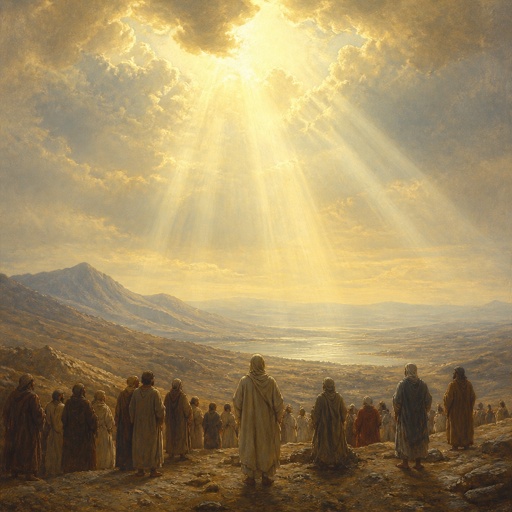
"He shall call to the heavens from above, and to the earth, that he may judge his people." - Psalms 50:4

Psalms 50:18 - "When thou sawest a thief, then thou consentedst with him, and hast been partaker with adulterers."

Psalms 50:12 - "If I were hungry, I would not tell thee: for the world is mine, and the fulness thereof."

Psalms 50:4 - "He shall call to the heavens from above, and to the earth, that he may judge his people."

Psalms 50:9 - "I will take no bullock out of thy house, nor he goats out of thy folds."
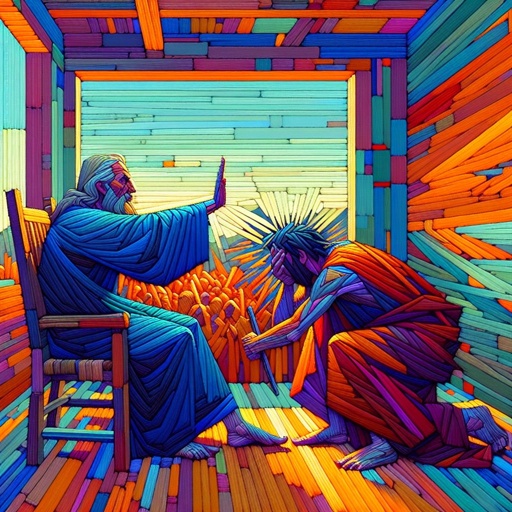
Psalms 50:20 - "Thou sittest and speakest against thy brother; thou slanderest thine own mother's son."

Psalms 50:23 - "Whoso offereth praise glorifieth me: and to him that ordereth his conversation aright will I shew the salvation of God."

Psalms 18:50 - "Great deliverance giveth he to his king; and sheweth mercy to his anointed, to David, and to his seed for evermore."

Psalms 78:50 - "He made a way to his anger; he spared not their soul from death, but gave their life over to the pestilence;"
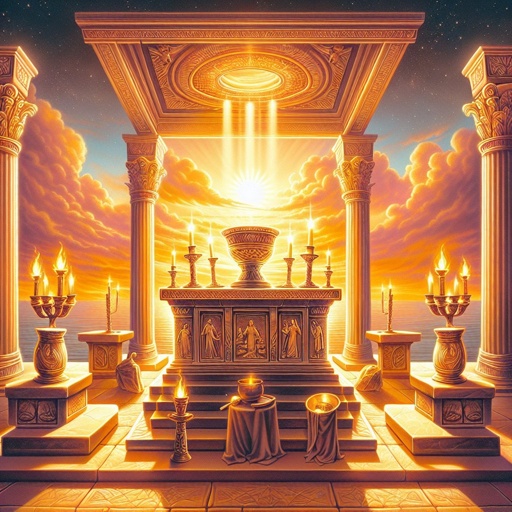
Psalms 50:8 - "I will not reprove thee for thy sacrifices or thy burnt offerings, to have been continually before me."

Psalms 50:1 - "The mighty God, even the LORD, hath spoken, and called the earth from the rising of the sun unto the going down thereof."
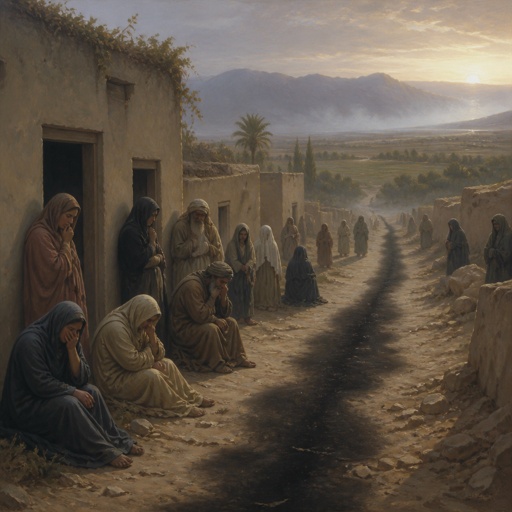
"He made a way to his anger; he spared not their soul from death, but gave their life over to the pestilence;" - Psalms 78:50