What does Psalms 51:10 mean?
“Create in me a clean heart, O God; and renew a right spirit within me.” — Psalms 51:10
Psalms 51:10 from the King James Version (KJV) of the Bible reads, "Create in me a clean heart, O God; and renew a right spirit within me." This verse is part of a larger psalm written by King David, in which he is expressing deep remorse and seeking forgiveness from God for his sins, particularly his adultery with Bathsheba and the murder of her husband, Uriah. The whole psalm is a heartfelt prayer of repentance and a plea for God's mercy and grace.
The theme of this verse is centered around the idea of spiritual renewal and transformation. King David is asking God to cleanse his heart and renew his spirit, indicating a desire for inner purification and a fresh start. The phrase "create in me a clean heart" suggests a complete overhaul of his inner being, a removal of impurities and a restoration of purity and righteousness. This speaks to the universal human experience of seeking forgiveness and the desire to be made new, as well as the belief in the transformative power of God's grace.
The context in which this verse is written adds depth and poignancy to its meaning. King David was a man after God's own heart, and yet he still fell into sin. This psalm reflects the deep anguish and contrition he felt over his actions, as well as his unwavering faith in God's ability to forgive and restore him. His plea for a clean heart and a right spirit is a humble acknowledgment of his own shortcomings and a recognition of God's sovereignty and authority in his life.
The symbolism in this verse is rich and profound. The imagery of a "clean heart" represents purity, innocence, and moral integrity. It suggests a removal of sin and a redemption of the soul, aligning with the Christian belief in the transformative power of salvation. The idea of a "right spirit" within David speaks to the restoration of his relationship with God, as well as the renewal of his moral and spiritual compass. This symbolizes a turning away from sin and a re-alignment with God's will.
The broader theological implications of this verse are significant. It points to the fundamental belief in the possibility of spiritual renewal and transformation through God's grace. Regardless of the depth of one's sins, this verse affirms the hope of forgiveness, restoration, and inner renewal. It also underscores the importance of humility and contrition in seeking God's forgiveness, as well as the necessity of acknowledging one's own need for transformation.
In conclusion, Psalms 51:10 from the King James Version of the Bible is a powerful and moving expression of repentance and a heartfelt plea for God's mercy and grace. It speaks to the universal human experience of seeking forgiveness and spiritual renewal, as well as the belief in the transformative power of God's love. The themes of sin, forgiveness, and redemption are deeply woven into the verse, and its rich symbolism and theological significance continue to resonate with believers today.
Get our apps


Artwork for Psalms 51:10

Psalms 51:10 - "Create in me a clean heart, O God; and renew a right spirit within me."

"Create in me a clean heart, O God; and renew a right spirit within me." - Psalms 51:10

psalm 51:10

Psalm 51:10

psalms 92:10

psalms 92:10

Psalms 78:51 - "And smote all the firstborn in Egypt; the chief of their strength in the tabernacles of Ham:"
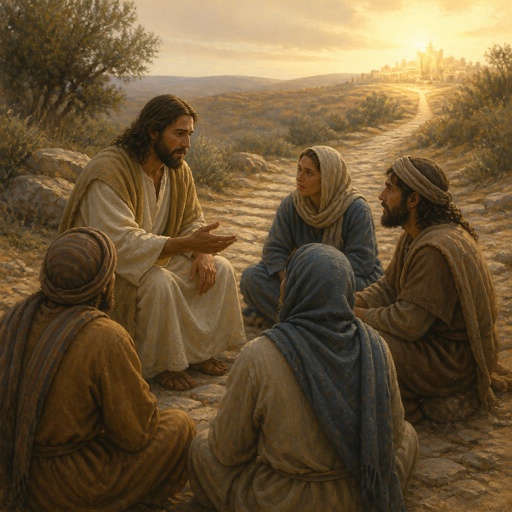
"Then will I teach transgressors thy ways; and sinners shall be converted unto thee." - Psalms 51:13

Psalms 51:5 - "Behold, I was shapen in iniquity; and in sin did my mother conceive me."

Psalms 51:13 - "Then will I teach transgressors thy ways; and sinners shall be converted unto thee."

Psalms 51:3 - "For I acknowledge my transgressions: and my sin is ever before me."

psalms 92:10

Psalms 51:9 - "Hide thy face from my sins, and blot out all mine iniquities."

Psalms 51:2 - "Wash me throughly from mine iniquity, and cleanse me from my sin."
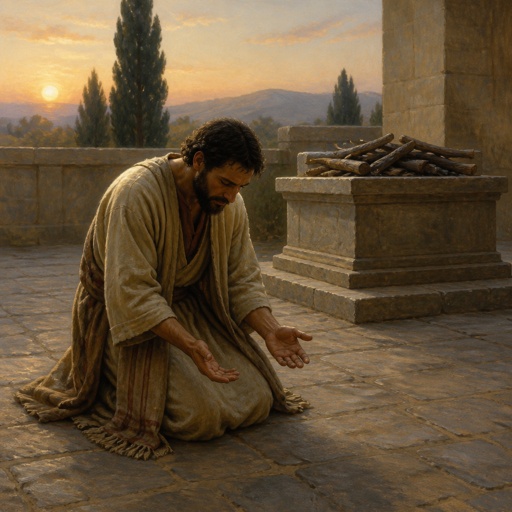
"For thou desirest not sacrifice; else would I give it: thou delightest not in burnt offering." - Psalms 51:16

psalms 85:10

Psalms 51:16 - "For thou desirest not sacrifice; else would I give it: thou delightest not in burnt offering."

Psalms 51:12 - "Restore unto me the joy of thy salvation; and uphold me with thy free spirit."

Psalms 51:18 - "Do good in thy good pleasure unto Zion: build thou the walls of Jerusalem."

psalms 92:10

Have mercy upon me, O God, according to thy lovingkindness: according unto the multitude of thy tender mercies blot out my transgressions. (Psalms 51:1)
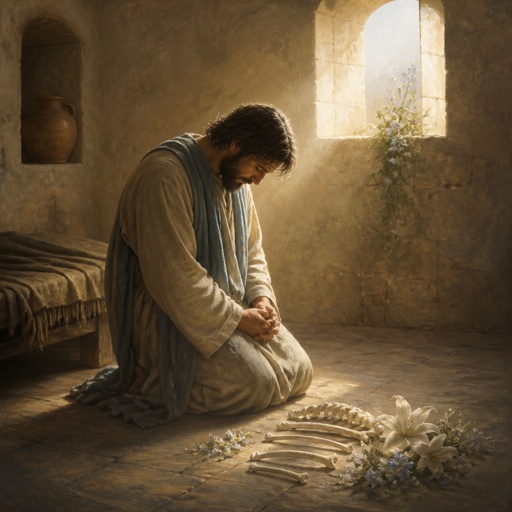
"Make me to hear joy and gladness; that the bones which thou hast broken may rejoice." - Psalms 51:8

Psalms 89:51 - "Wherewith thine enemies have reproached, O LORD; wherewith they have reproached the footsteps of thine anointed."

Psalms 51:8 - "Make me to hear joy and gladness; that the bones which thou hast broken may rejoice."

Psalms 51:11 - "Cast me not away from thy presence; and take not thy holy spirit from me."

Psalms 51:17 - "The sacrifices of God are a broken spirit: a broken and a contrite heart, O God, thou wilt not despise."

Psalms 51:6 - "Behold, thou desirest truth in the inward parts: and in the hidden part thou shalt make me to know wisdom."

Psalms 51:15 - "O Lord, open thou my lips; and my mouth shall shew forth thy praise."

Psalms 119:51 - "The proud have had me greatly in derision: yet have I not declined from thy law."

Psalms 10:10 - "He croucheth, and humbleth himself, that the poor may fall by his strong ones."